
2026-27 North Carolina Albert Schweitzer Fellows
Two Duke University School of Medicine students are among the 31 graduate students recently named 2026-27 North Carolina Albert Schweitzer Fellows. Students selected to this year’s class by the North Carolina Albert Schweitzer Fellowship will spend the next year learning to effectively address the social factors that impact health as they develop lifelong leadership skills.
Schweitzer Fellows develop and implement service projects that address the root causes of health disparities in under-resourced communities, while also fulfilling their academic responsibilities. Each project is implemented in collaboration with a community-based organization.
This year’s class of Schweitzer Fellows includes:
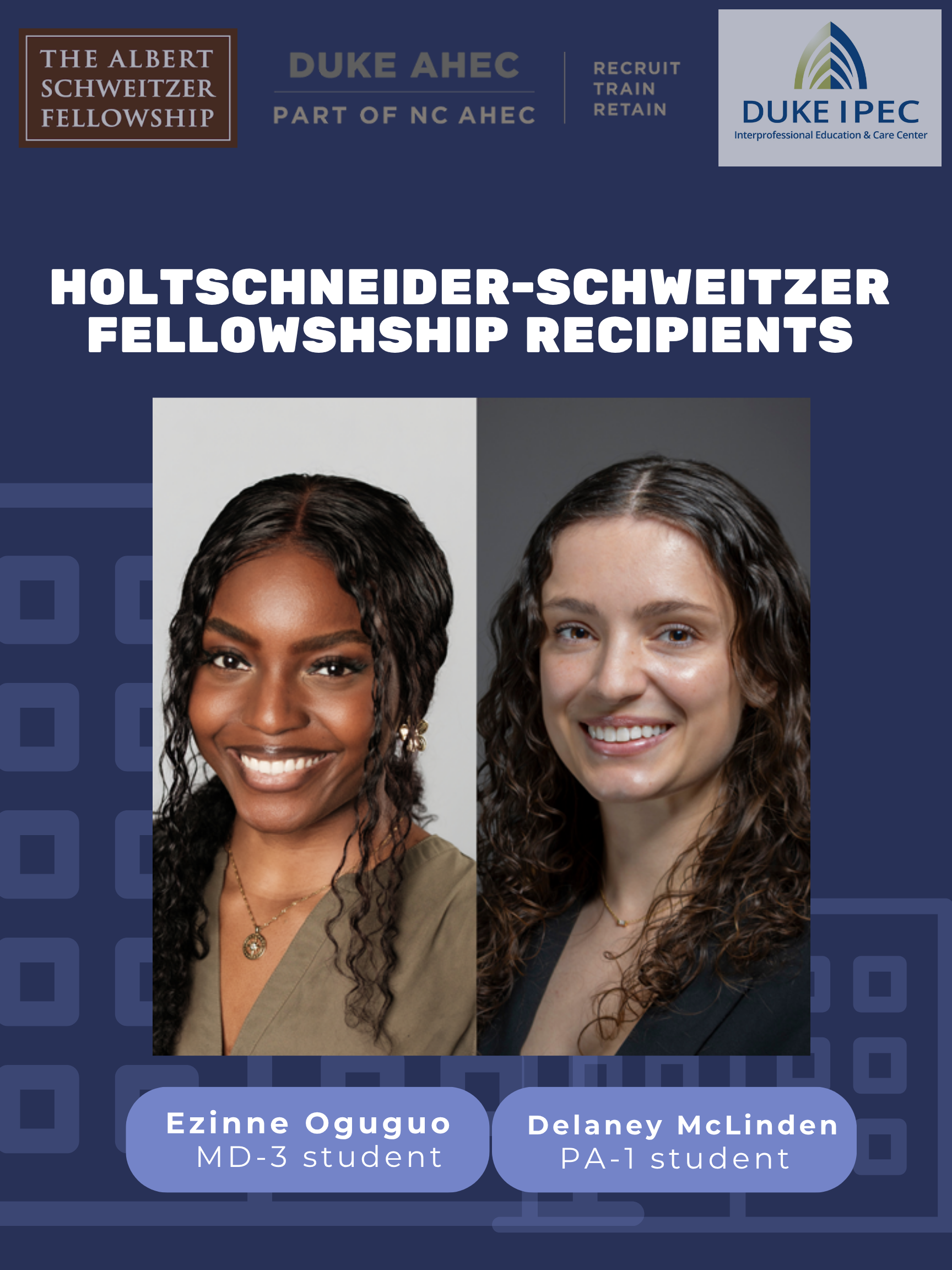
- Ezinne Oguguo and Delaney McLinden
- Academic Mentor: C. Rory Goodwin, MD, PhD
- Site Mentor: Katie Mackin, PA-C, MHS
- Site: Spine Tumor Support Group and Duke Center for Brain and Spine Metastasis and the Departments of Neurosurgery and Orthopaedic Surgery
Oguguo, a third-year MD student, and McLinden, a first-year student in the Physician Assistant program, will expand a patient navigator and social support program for patients with metastatic spine disease to include nutritional counseling. This is an expansion of a 2024-25 Schweitzer project.
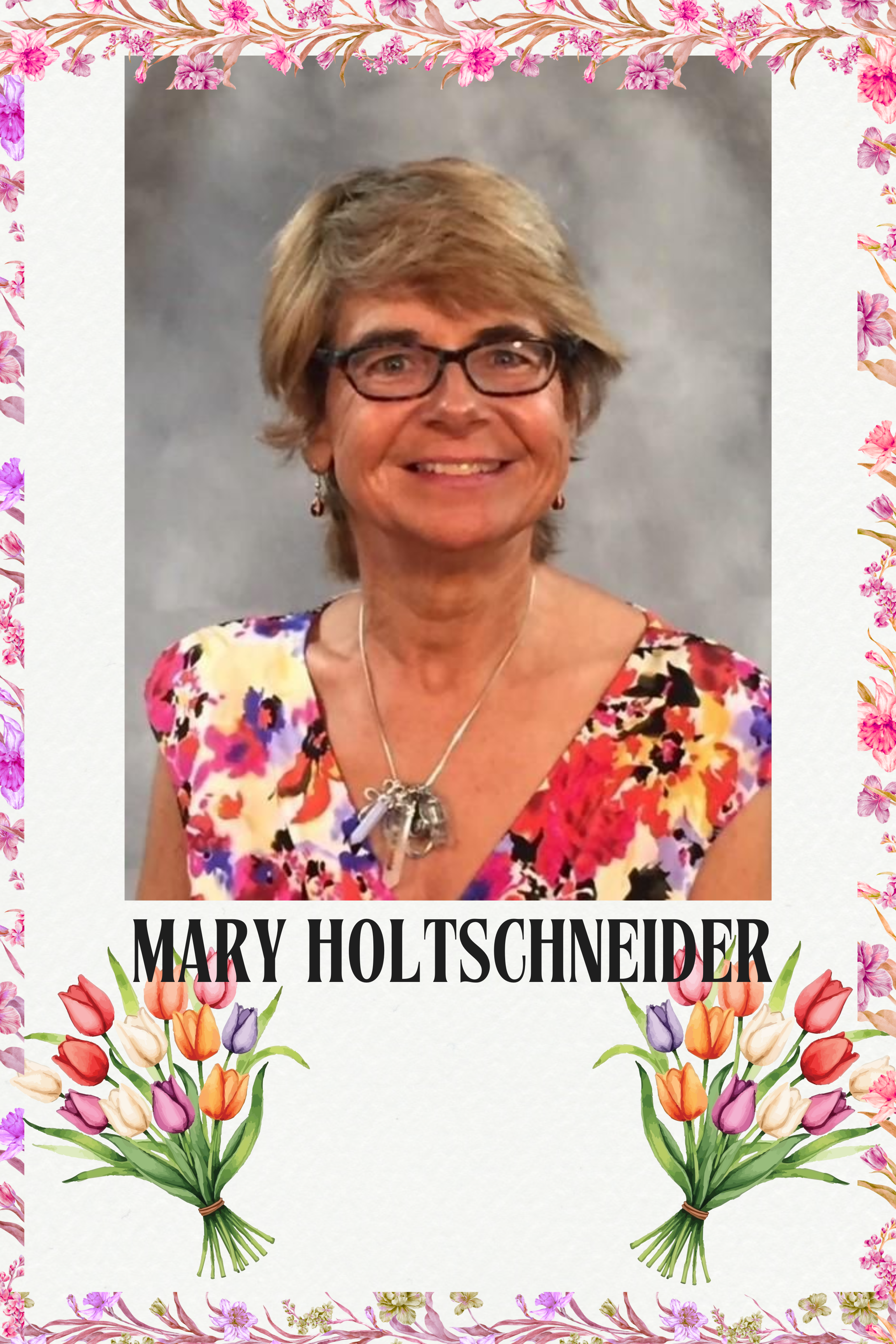
The North Carolina Albert Schweitzer Fellowship for health professions students at Duke is co‑sponsored by the Duke Interprofessional Education and Care Center and The Duke AHEC Program Office, part of the North Carolina Area Health Education Center (AHEC). This year’s fellowship honors the late Mary H. Holtschneider, MEd, MPA, BSN, RN, who served as the simulation education coordinator and co‑director of the Interprofessional Advanced Fellowship in Clinical Simulation at the Durham VA Health Care System, as well as the Nursing Program manager for Duke Area Health Education Center.
In recognition of her extraordinary contributions to health care education and interprofessional training, this year’s fellowship at Duke is designated the Holtschneider-Schweitzer Fellowship.
Schweitzer Fellowships have an intensive leadership component, with Fellows working closely with community and academic mentors during their fellowship year. They often serve as role models for their peers, inspiring others to improve the health of those who experience barriers to care.