Dean’s Pilot Bridge Awards Support Promising Projects
At the School of Nursing, the Dean’s Pilot Bridge Awards have provided funding for five innovative projects, supporting better healthcare for all.

Duke University School of Nursing Dean Michael Relf, PhD, RN, ANEF, FAAN, together with the Ruby L. Wilson Center for Nursing Science and Innovation, recently selected recipients for the Dean’s Pilot Bridge Awards, a one-time initiative paving the way forward for promising faculty-led research projects.
These awards were given to provide short-term funding to School of Nursing scientists seeking to realign or expand their programs of research in response to emerging priorities, strategic initiatives, or shifts in the scientific landscape.
“Our goal was to provide strategic support to School of Nursing investigators who may be transitioning their research focus, enhancing a grant application by generating preliminary data, or building research capacity by pilot testing a novel approach,“ said Dean Relf, Mary T. Champagne Distinguished Professor of Nursing. “And for faculty members experiencing a gap in funding for ongoing projects, it was important that they be able to retain staff and continue their impactful work.”
The funding period for these projects began in January of this year and will extend to July 2027.
Dean’s Pilot Bridge Award Recipients
Financial Empowerment after Incarceration
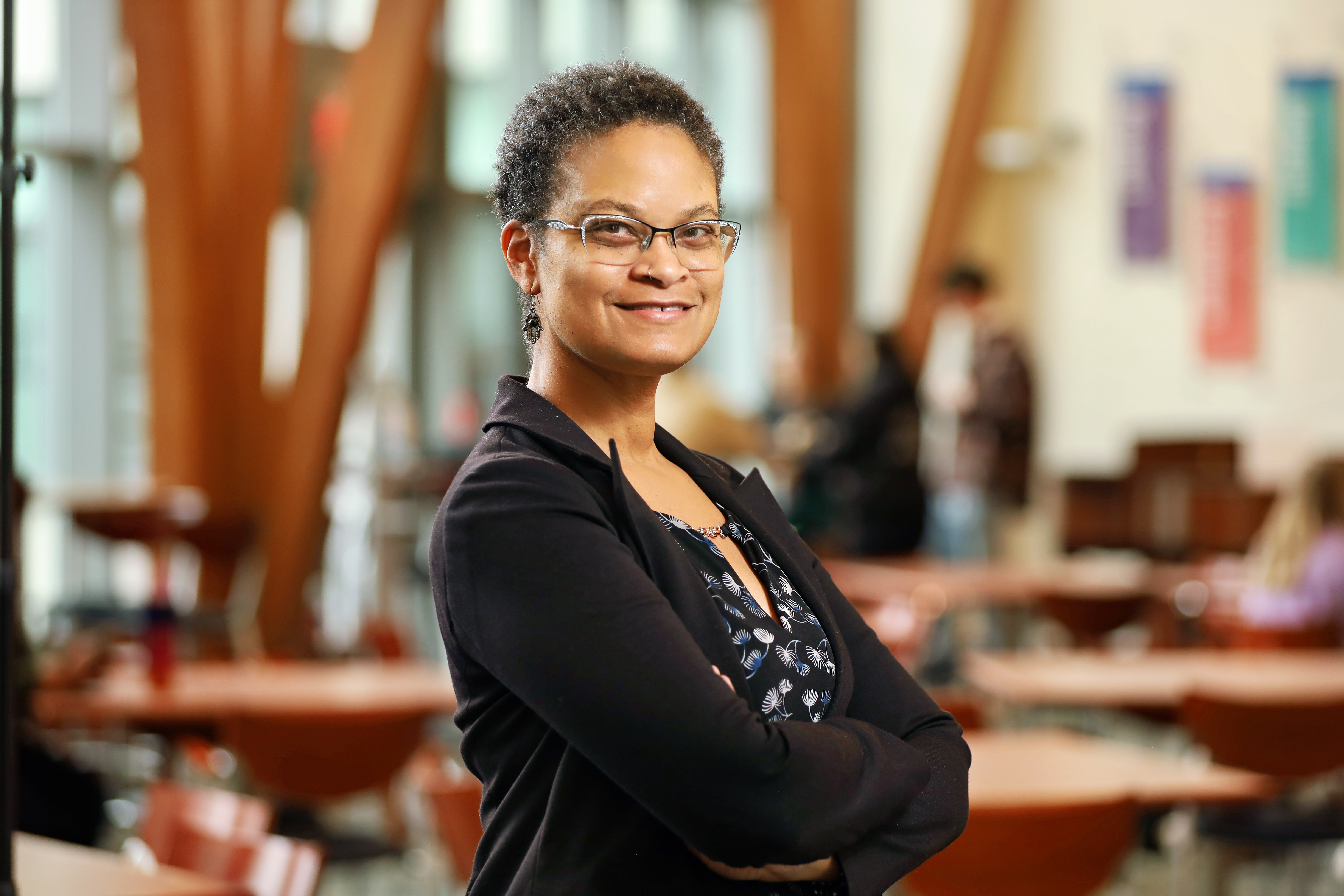
Tonia Poteat, PhD, MPH, PA-C, AAHIVS, DFAAPA, Professor at the School of Nursing and recent winner of a Lifetime Achievement Award for her research in LGBTQ+ health, was awarded a Dean’s Pilot Bridge Award for her study “Supporting Adult Financial Empowerment to Improve Health Outcomes Post-Exit (SAFE HOPE): A Pragmatic Preference Trial.”
Speaking to her project’s scope, Dr. Poteat explained that the Durham Community Safety Department is piloting a guaranteed income and peer support program for adults returning to Durham after incarceration—a program designed to reduce financial stress and help participants build stability. Participants will be offered the option of equal monthly payments over the course of one year or higher payments at the beginning of the program that gradually decrease over one year. Dr. Poteat’s SAFE HOPE study will assess the effectiveness of each payment structure on physical and mental health, housing stability, food security, employment, financial stability, and recidivism.
“The Dean’s Pilot Bridge Award enables me to continue research addressing the social and structural determinants of health for marginalized populations, including populations disproportionately impacted by incarceration,” said Dr. Poteat. “This research aligns well with nursing’s role in addressing social determinants of health and advancing health equity.”
Dr. Poteat added that her study will provide pilot data for a larger grant application to philanthropic organizations funding research on health equity and social determinants of health.
Aging in Place with Home-Based Care

Ayomide Okanlawon Bankole, PhD, RN, Assistant Professor at the School of Nursing, Aparna Higgins, Senior Policy Fellow at the Duke-Margolis Institute for Health Policy, and co-investigator Corinna Sorenson, PhD, MHSA, MPH, Assistant Professor in Population Health Sciences, received a Dean’s Pilot Bridge Award for their project, “Elucidating Use of Home-Based Care Among Full Benefit Dual-Eligible Beneficiaries and Transitions to Long-Stay Nursing Homes.”
Full-benefit dual-eligible beneficiaries (FBDE) are eligible for a broad range of home and community-based services to support aging in place. However, transitions to long-stay nursing homes are common among dual eligibles.
Through their project, the investigative team aims to examine characteristics of dual eligibles who transition to long-stay nursing homes. Findings from their study will be useful to inform design, testing, and implementation of clinical and policy-relevant strategies for this population.
“In a time of unprecedented changes to Medicaid programs driven by the recent H.R. 1 act, this pilot award lays the foundation for identifying effective community-based care approaches, including models of care that can help dual-eligible beneficiaries age in place, improve health outcomes, and lower healthcare costs,” said the investigative team.
Adolescent Mental Health in Rural North Carolina
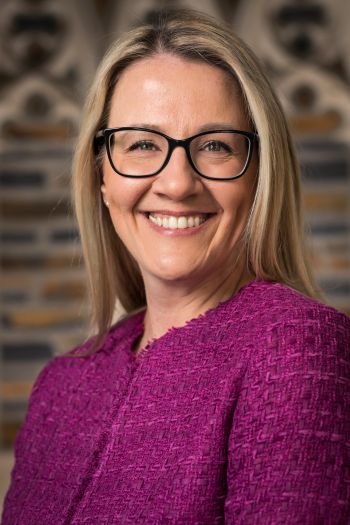
Associate Professor Marta Mulawa, PhD, MHS, received a Dean’s Pilot Bridge Award for her project “Adapting Global Lessons for Local Impact: Digital Peer Support and Self-Management for Adolescents in Rural North Carolina.”
This project focuses on supporting adolescents in rural North Carolina who are managing chronic health conditions alongside anxiety and depression. Dr. Mulawa and her team plan to build on their extensive experience developing and testing MASI, a digital peer-support intervention for youth with HIV in South Africa, and adapt the lessons they learned during that process to meet local needs. Through partnerships with local organizations, the establishment of youth and community advisory boards, and a series of user‑centered design workshops, they aim to co-create a culturally relevant intervention that integrates mental health support and chronic condition self-management for rural adolescents.
According to Dr. Mulawa, the goal of this project is to improve access to evidence‑based mental health support while strengthening self‑management skills and social connection among adolescents facing significant structural barriers to care in rural settings.
“The Dean’s Pilot Bridge Award provides critical support to sustain and strategically reposition my research to meet the needs of adolescents in rural North Carolina, investing in foundational partnership-building and youth engagement,” said Dr. Mulawa. “This is truly essential work that is often difficult to support through traditional mechanisms.”
Family-Centered Care for Infants Leaving the NICU

Debra Brandon, PhD, RN, CNS, FAAN, Professor at Duke University School of Nursing, has partnered with Jinhee Park, PhD, RN, FAAN, Associate Professor at Boston College’s Connell School of Nursing. They have jointly received a Dean’s Pilot Bridge Award for their project, “Co-Designing Family-Centered Care for NICU High-Risk Infants' Transitions.”
For their project, they will co-design with community partners (including families, providers, and policy experts) a multi-level, family-centered intervention that facilitates transitions and optimizes care for high-risk infants after discharge from the Neonatal Intensive Care Unit (NICU).
According to Drs. Brandon and Park, individualized yet integrated infant and parent interventions are needed to optimize long-term developmental, psychosocial, and health outcomes for both infants and families. Their project will span two states, North Carolina and Massachusetts, to capture diverse challenges across policies and population densities (rural and urban), maximizing relevance, generalizability, and dissemination.
"Findings from this pilot award will allow us to develop a multilevel intervention that can be individualized for the family context and ready for pilot testing,” said Dr. Brandon.
Reducing Stigma around HIV and Substance Use Disorder
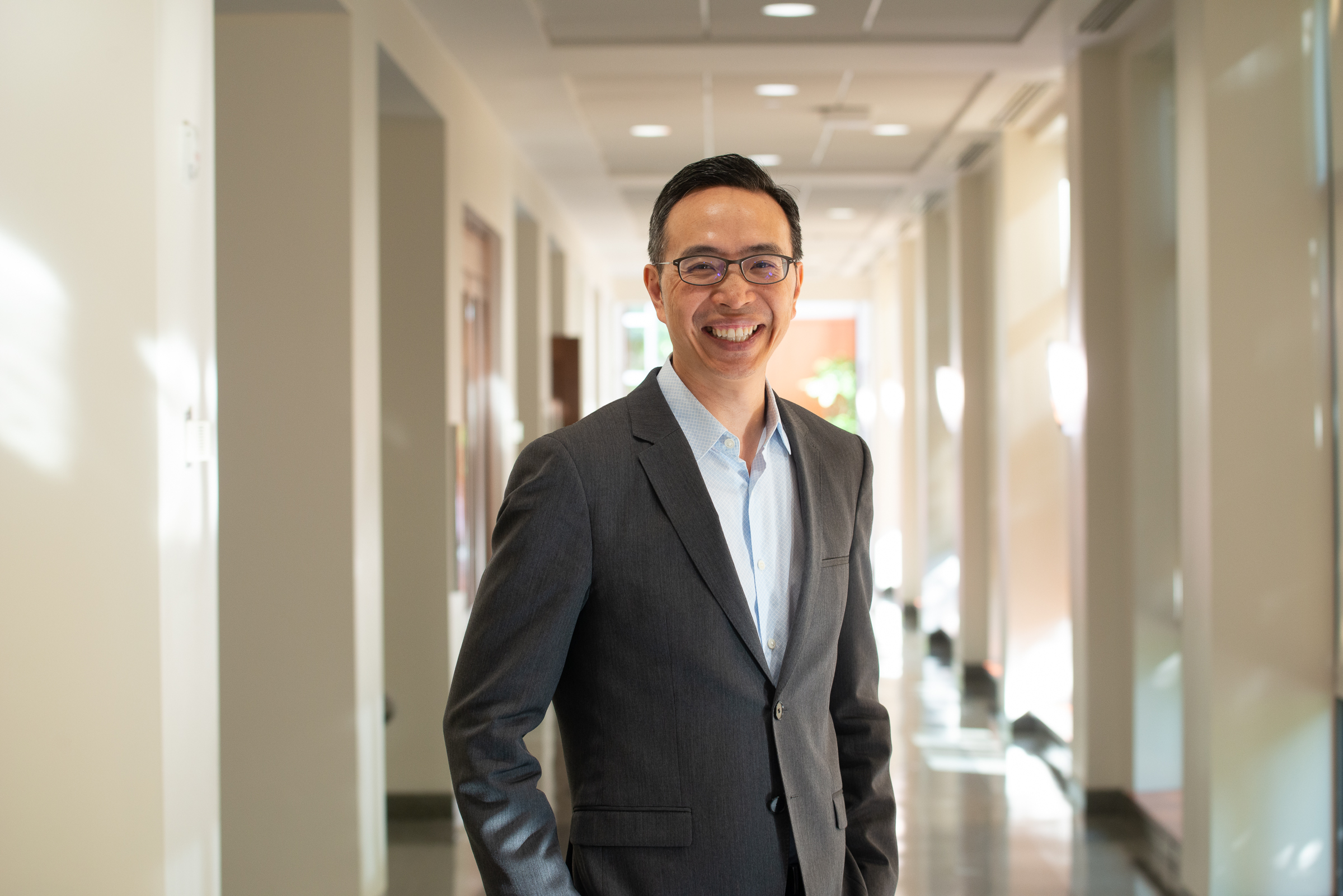
Pauline Gratz Distinguished Professor Lawrence Yang, PhD, Assistant Professor Marissa Abram, PhD, PMHNP-BC, CARN-AP, FIAAN, and Associate in Research Margaux Grivel, PhD, received a Dean’s Pilot Bridge Award for their project, “Leveraging 'What Matters Most' to Measure and Intervene with Provider and Patient-Level Stigma in Rural Patients.”
Their project addresses the overlapping crises of HIV and substance use disorder affecting residents in rural North Carolina and the stigma that interferes with proper care.
According to Drs. Yang and Abram, people living with both HIV and substance use disorder face a double dose of stigma that can discourage them from showing up for treatment, taking their medications, and looking after their health. The ‘What Matters Most’ approach emphasizes the need for people to feel like valued, respected members of their community—whether that means being a good neighbor, attending church, or holding down a job. When stigma gets in the way of these meaningful connections, it has a negative impact on health.
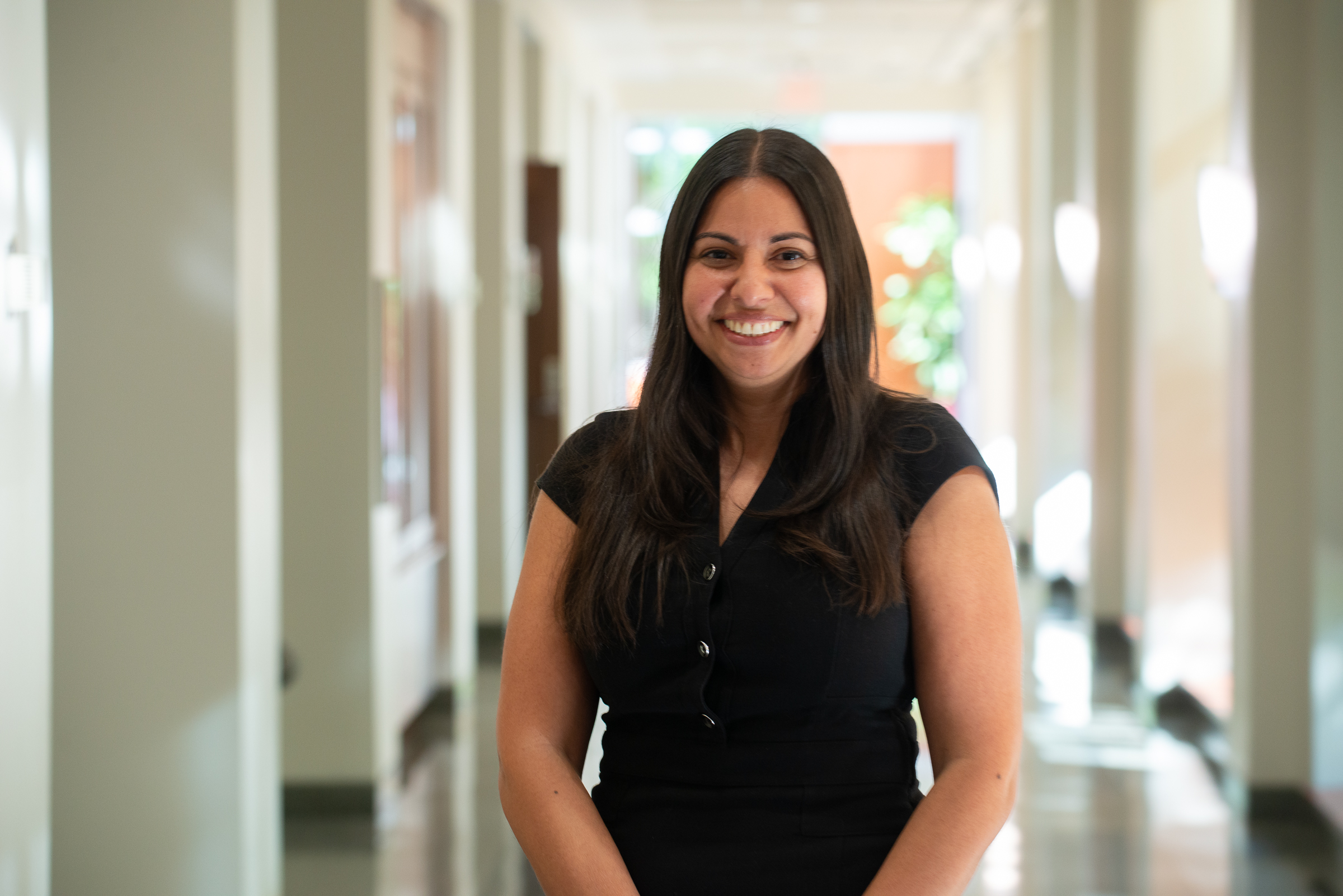
“The What Matters Most framework helps us understand how to identify and address stigma through the lens of what gives people dignity, identity, and a sense of belonging in their communities,” said Dr. Yang. “By centering those culturally valued roles and capabilities, we can develop more meaningful ways to measure stigma and create interventions that restore personhood and improve care.”
The team is working to build a new way to measure this kind of overlapping stigma and to adapt a hands-on intervention that enables doctors and patients to hold better, less judgmental conversations about care. This project ultimately seeks to provide tools for this marginalized group to ward off the most harmful effects of stigma in their daily lives.
“We aim to use this pilot bridge award to build interventions that are grounded in people’s lived experiences and designed to strengthen the relationships and care pathways that support recovery and health,” said Dr. Abram.
Driving Positive Change
These five projects seek better care for individuals at every stage of life, from infants and adolescents to parents and aging adults. With support from the Dean’s Pilot Bridge Awards, they have the opportunity to continue to expand into larger, more impactful interventions driving positive outcomes.