Meeting Patients Where They Are
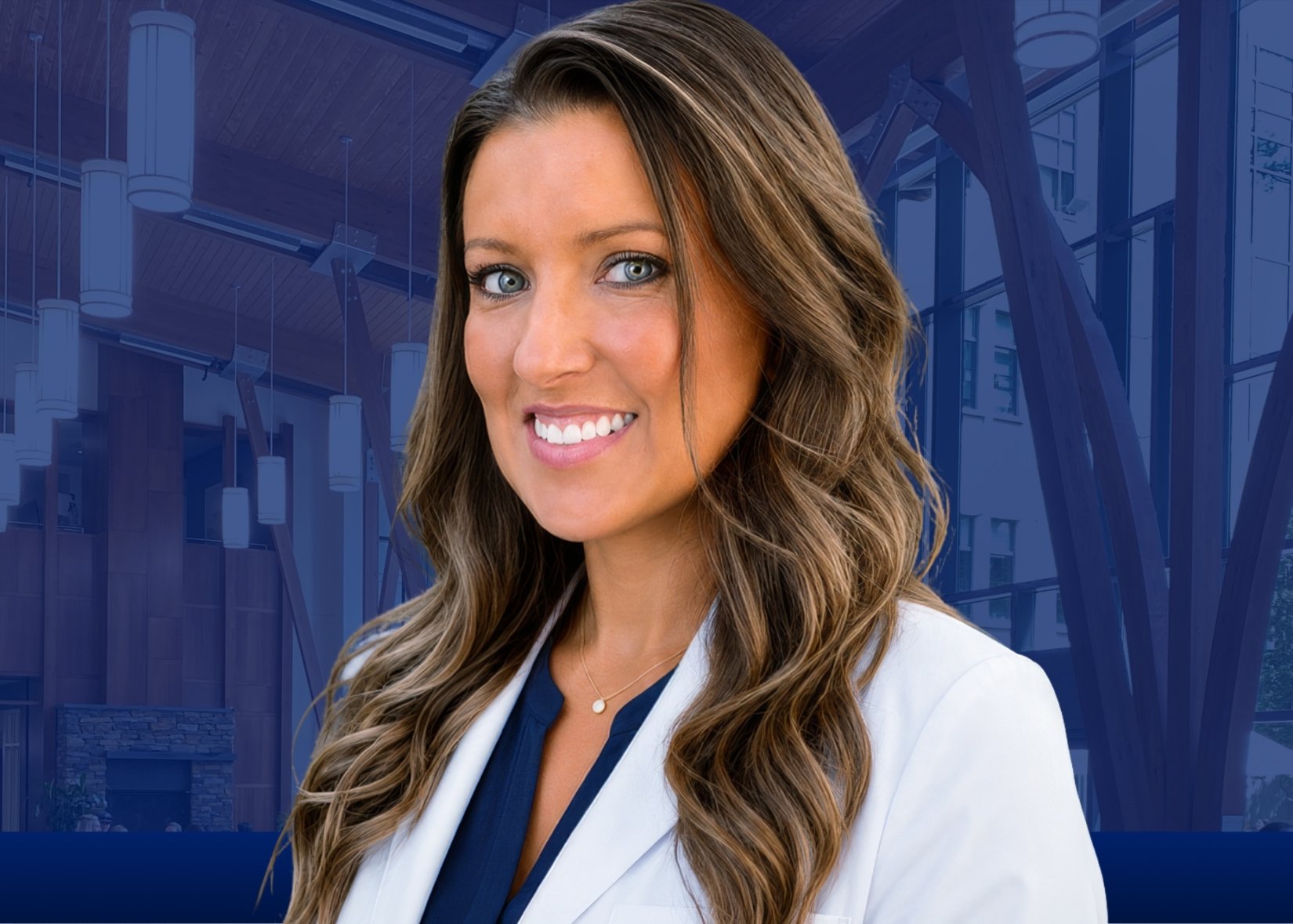
Ashley Batts, a Duke-affiliated nurse practitioner who left New York's fashion industry for nursing, now provides women's health care at the Pender County Health Department, where patients often face food, housing, and transportation barriers. She says rural care means "meeting the patients where they are," and she teaches Duke nursing students to think beyond the textbook so they can help close gaps in underserved communities.
For Ashley Batts, DNP, MSN’18, BSN, BS, WHNP-BC, nursing began as a search for more meaningful work. Before entering healthcare, she earned a bachelor’s degree in business marketing and worked in New York City’s fashion industry as a handbag buyer. But the pace and priorities of that world quickly wore on her. When a friend mentioned she was a nurse (and worked three days a week), Batts saw a new path forward.
“Nursing was never on my radar,” she said. “I finally decided I wanted a more meaningful career and liked the idea that nursing was a shorter program, had more flexibility in job options and specialties, and provided opportunities to travel and only work three days a week. So I said, sign me up!”
That decision led Batts to an accelerated nursing program—and soon after, to women’s health. During nursing school, she worked as a CNA on a mother/baby unit, where her longstanding fascination with pregnancy became a professional calling. “I knew right away that OBGYN was where I wanted to focus my nursing career,” she said.
Today, Batts’ work at the Pender County Health Department centers on rural women’s health, where clinical care often intersects with daily barriers that can make access difficult. Many of the patients she serves face food, housing, and transportation insecurity, challenges that can make it hard to prioritize preventive care, appointments, or treatment plans.
“Patients find it difficult to prioritize their health when they are struggling to buy groceries or cannot secure a ride to their appointment,” Batts said. “As a provider, these resource limitations sometimes make it difficult to provide care.”
In rural communities, she adds, care requires creativity, humility, and an understanding that textbook solutions do not always fit real-life circumstances. “Working in rural health is about meeting the patients where they are and finding a way to help meet their needs in a way that is reasonable considering the resources they have available,” she said. “Sometimes in rural health you cannot do the ‘best thing’ and sometimes must settle for doing some good where you can.”
That is where nurse practitioners are especially vital. Rural communities across the country continue to face provider shortages, long travel distances, and limited specialty care. Nurse practitioners who are well positioned to fill critical gaps in communities where physicians or specialists may be scarce.
Batts has seen that impact firsthand. “Studies have shown that nurse practitioners provide high-quality care, and there are so many rural communities that are healthcare deserts with very few or no providers,” she noted. “Nurse practitioners are uniquely positioned to help mitigate some of these disparities.”
Her commitment to expanding access extends into education. As a clinical instructor for Duke School of Nursing students, Batts hopes learners gain a deeper understanding of how social and structural challenges shape care delivery. Rural health settings, she said, push students “to step out of the textbook answer and think outside of the box,” strengthening the critical thinking skills they will need as future providers.
For Batts, that mentorship is also a way of giving back. She took on the role, she said, “to help educate the next generation of nurse practitioners”—clinicians who may one day help close the same gaps she encounters in rural women’s health.
And leadership, in that context, is not about title or authority. It is about presence, advocacy, and trust. “Nurse leadership means using my knowledge, experience, and compassion to make a difference every day,” Batts said. “It’s about being someone others can depend on, advocating for my patients, supporting my colleagues, and helping create the best possible outcomes for those in my care.”