Rural Health Equity Through Partnership: Duke Hub Marks a Year of Growth Across North Carolina
One year after its launch, the Duke Interdisciplinary Hub for Rural Health Equity at Duke University School of Nursing is strengthening rural health across North Carolina through community-engaged research, workforce development, interdisciplinary partnerships, and a statewide network connecting researchers, clinicians, students, and community leaders.
One year after its launch, the Duke Interdisciplinary Hub for Rural Health Equity is helping reshape how researchers, students, healthcare providers, and community leaders work together to address some of North Carolina's most pressing health challenges.
“Rural health is a critical public health challenge for our nation and our state of North Carolina,” said Devon Noonan, PhD, MPH, FNP-BC, FAAN, who leads the Hub. “North Carolina represents the second-largest rural population in the United States, and with that comes many challenges in access to healthcare, workforce shortages, and chronic disease inequities.”
Housed at Duke University School of Nursing and funded by an Interdisciplinary Hubs Grant from the Office of the Provost, the Hub was established to advance health equity in rural communities through interdisciplinary collaboration, community-engaged research, and workforce development. By bringing together faculty, students, and community partners from nursing, engineering, social sciences, divinity, public health, and medicine, the Hub is creating new pathways for research and action grounded in the realities of rural communities.
Over the past year, those efforts have translated into expanding statewide networks, new funding opportunities, workforce development initiatives, and partnerships reaching communities across North Carolina.
Building Connections Across Disciplines and Communities
A major focus of the Hub's first year has been creating opportunities for collaboration across Duke and beyond.
Its Rural Community of Practice, launched to connect faculty, staff, students, healthcare professionals, and community leaders interested in rural health, grew to 155 members by September 2026. Nearly 100 members also joined the Duke Rural Collective online network.
“We are very intentionally bringing together people from across Duke who do research and practice in rural health to build those connections, to build those networks, and to build those relationships,” said Jessica Sperling, PhD, Assistant Professor in Medicine and Assistant Research Professor in the Social Science Research Institute.
These communities provide opportunities to share research, discuss emerging challenges, identify partnership opportunities, and learn from one another's experiences working in rural settings.
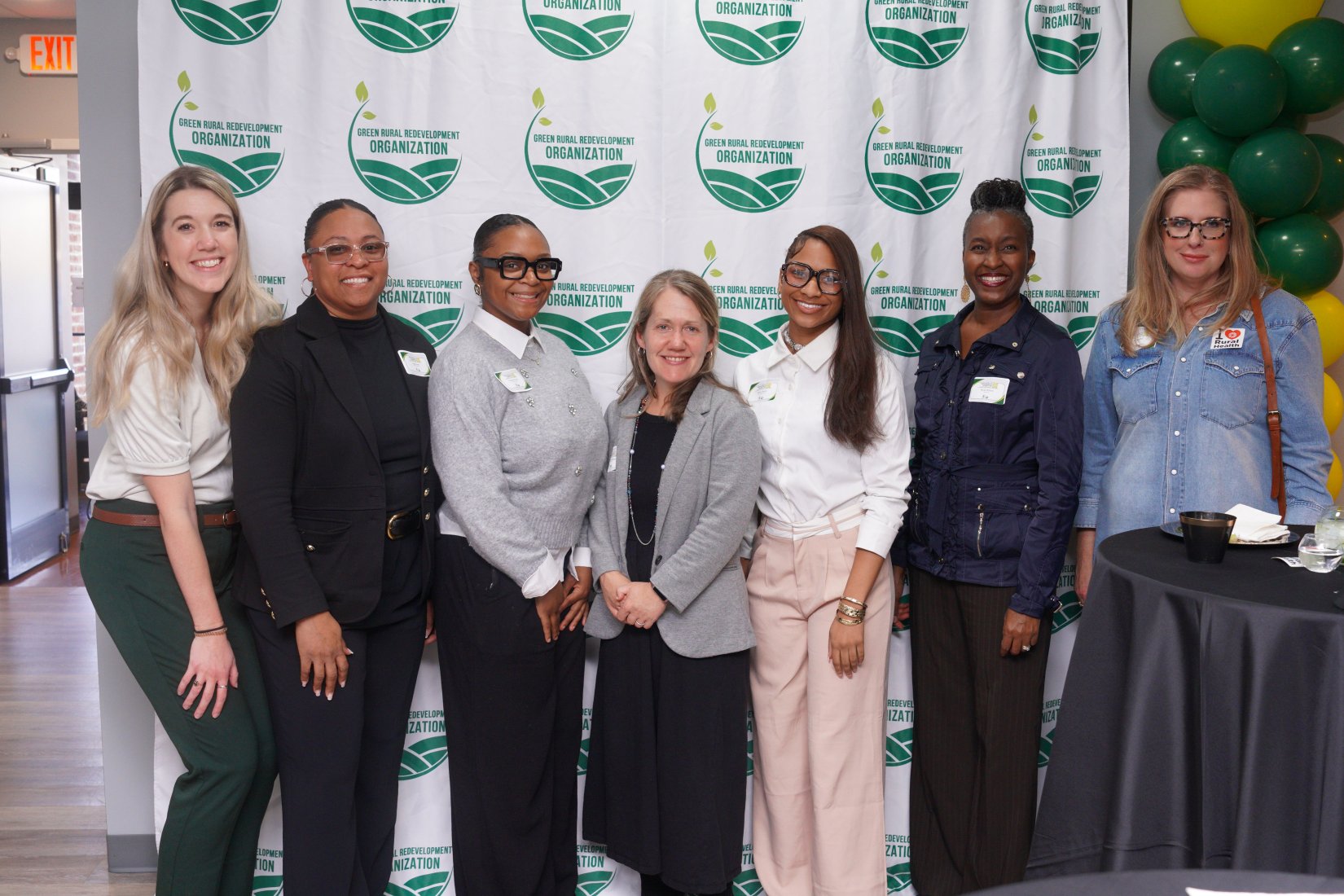
The Hub also convened Duke's inaugural Rural Health Symposium in 2026. The event attracted 305 registrants and brought together researchers, clinicians, policymakers, students, and community leaders from across the state. Participants explored topics ranging from chronic disease and workforce development to community-engaged research and innovative rural partnerships. Continuing education credits were offered, underscoring the symposium's role in professional development as well as knowledge sharing.
To support its growing mission, the Hub expanded its team in 2026 with the addition of Rural Health Fellows Suzanne Daly, PhD, RN, and Jinni Tang, PhD, MPH. Their work reflects the Hub's commitment to interdisciplinary collaboration and community-engaged research, while helping strengthen partnerships with local organizations, health departments, and other stakeholders across the state.
Investing in Community-Led Solutions
One of the Hub's most significant milestones during its first year was the launch of its SEED grant program, designed to strengthen partnerships between Duke researchers and rural communities.
“Our approach is rooted in community,” Noonan said. “All the work of the Hub is partnered with rural communities to make sure that our solutions are developed with and for those who need them.”
The inaugural funding cycle awarded six projects selected from 12 proposals. Together, the projects address priorities affecting rural North Carolinians, including cervical cancer prevention, diabetes management, hypertension, youth mental health, food systems, and the well-being of farmworker families.
The grants support two stages of partnership development. New Partnership Grants help researchers and community organizations begin working together around a shared rural health priority, while Advancing Partnership Grants help established teams deepen collaborations already underway.
What distinguishes the program is its emphasis on community leadership. Every funded project was developed alongside community partners who helped identify priorities and shape the work from the beginning.
“The power of rural is the people,” said Wylin Wilson, PhD, Associate Professor at the Divinity School. “They are there on the ground day to day. They know what's needed. We can come in and help them to strengthen their networks and build capacity.”
The funded initiatives stretch across eastern and northeastern North Carolina and involve county health departments, rural clinics, nonprofits, pharmacies, and regional community organizations. Among the projects are efforts to strengthen cervical cancer prevention services, improve diabetes care, expand mental health resources for rural Latinx adolescents and young adults, support blood pressure management through community partnerships, build infrastructure for farmworker-led research, and engage residents in understanding how food systems affect health and well-being.
Many of the projects also include student participation, providing hands-on experience in community-engaged research while helping prepare future rural health leaders.
Training Future Rural Health Leaders
Interdisciplinary Education remains central to the Hub's mission. Throughout its first year, the Hub expanded opportunities for students and trainees to engage in rural health research, community partnerships, and interdisciplinary learning experiences.
The Hub's fellowship program is one example of that investment. Daly and Tang work alongside faculty mentors from the School of Nursing, Pratt School of Engineering, Social Science Research Institute, and the Divinity School while contributing to research, partnership development, and educational initiatives focused on rural communities.
Their presence also reflects the Hub's broader commitment to preparing future leaders who can work across disciplines and sectors to address complex health challenges. Through partnerships with local organizations, health departments, healthcare systems, and faith communities, students and trainees gain firsthand experience working alongside rural residents and organizations to advance community priorities.
Recognizing the Strengths of Rural Communities
While conversations about rural health often focus on shortages, barriers, and unmet needs, Hub leaders emphasize that rural communities also possess significant strengths.
“We know there are lots of strengths in rural communities that can be leveraged to address these critical challenges,” Dr. Noonan said. “Communities know the answers to their problems, and they have the solutions. We have to listen and learn and make sure that we’re working together to solve these problems.”
The Hub’s asset-based approach shapes everything from research partnerships to workforce development and community engagement efforts.
Looking Ahead
As it enters its second year, the Duke Interdisciplinary Hub for Rural Health Equity is focused on expanding its Regional Rural Health Incubator model, supporting new interdisciplinary research opportunities, growing educational and workforce programs, and strengthening community-academic partnerships across North Carolina.
The 2027 Rural Health Symposium is planned for April 5, and new resources and networking opportunities will continue connecting researchers, students, practitioners, and community leaders across the state.
The Hub's first year has demonstrated both the need for and the value of an interdisciplinary, community-centered approach to rural health. Through collaborative research, workforce development, and community partnership, it is building a foundation for lasting improvements in rural health equity across North Carolina.