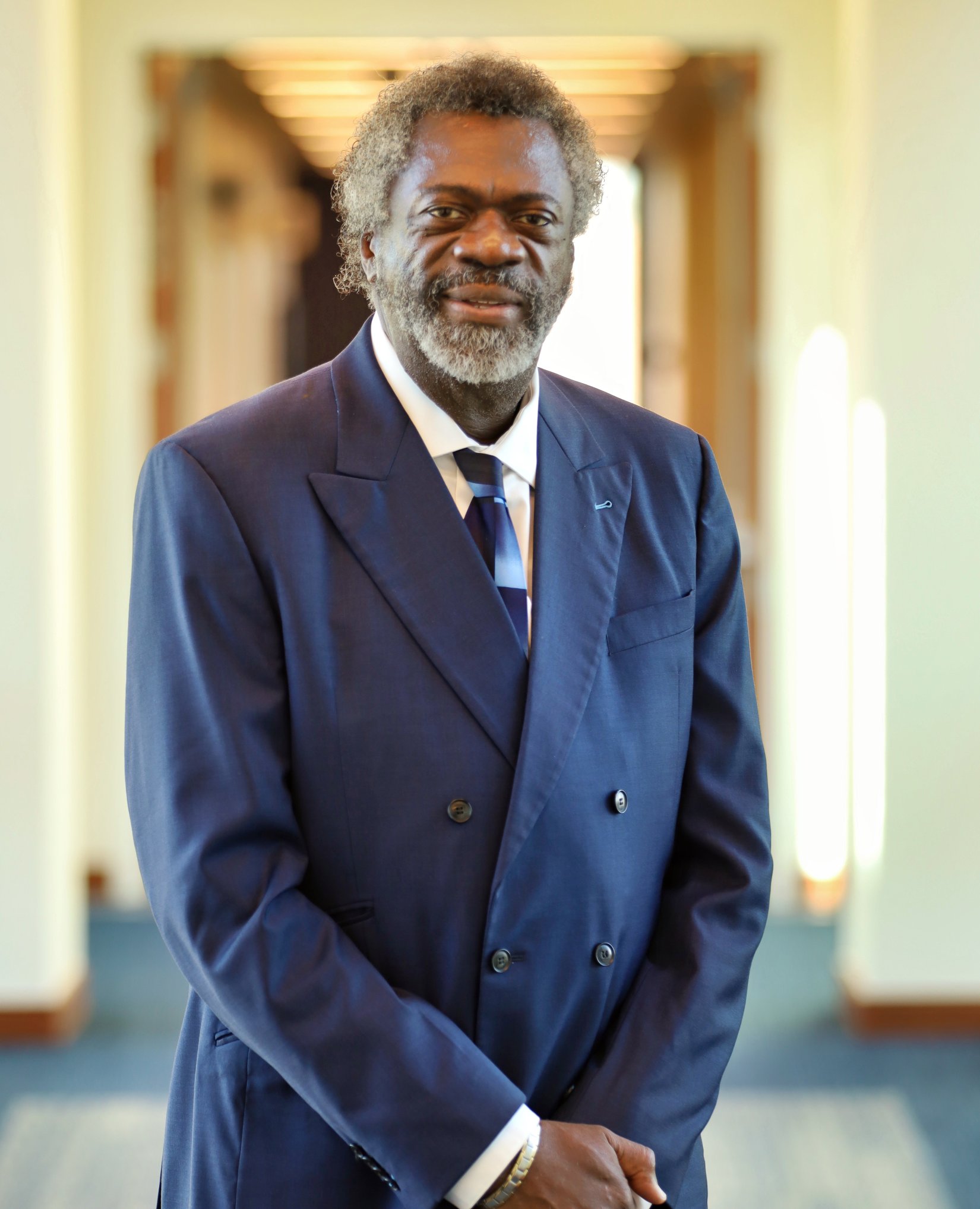
Ernest Grant: A Living Legend in Nursing
Associate Professor Ernest Grant reflects on the experiences that shaped his trailblazing nursing career, the enduring rewards of caring for others, and the workforce and technology challenges the profession must address.
Over more than four decades in nursing, Associate Professor Ernest Grant, PhD, DSc(h), RN, FADLN, FAAMN, FAAN has shaped patient care, education, advocacy, and national leadership. He was recently honored as a “Living Legend” by the American Academy of Nursing, and received the Nurses Magazine® Presidential Medal for Nursing Excellence. Dr. Grant is an expert on burn care and was the first man to serve as President of the American Nurses Association. His career has spanned critical care, nursing leadership, and academia, and he remains one of the nation’s leading voices advocating for equitable education and hiring practices in healthcare. In this Q&A, he reflects on the experiences that formed him as a nurse and leader, what continues to inspire him, and the challenges and opportunities facing the profession.
What experiences or turning points most shaped the nurse and leader you became?
Two experiences stand out as turning points. First, when I began my nursing career, I looked around and did not see anyone who looked like me—a Black man in the profession. Realizing that nursing should reflect the people we serve set me on a journey to encourage more men and people from underrepresented racial and ethnic groups to consider nursing careers. It has been a decades-long effort, and I am beginning to see the fruits of that work as more men and people from diverse backgrounds enter the profession.
The second experience speaks to leadership. During my undergraduate program, it was impressed upon me almost daily that being a professional nurse meant belonging to my professional organization. When I graduated, I received a diploma in one hand and an application to join the North Carolina Nurses Association (NCNA) in the other. Within two weeks of earning my BSN, I had joined NCNA.
I was not simply a member; I was an active member. I immediately began serving on committees and taking on leadership roles, a path that eventually culminated in my election as president of the American Nurses Association. I am sure my professors never imagined they were teaching a future ANA president. I now repeat their message to my students: It is one thing to have your name on the roster; it is another to be an active member.
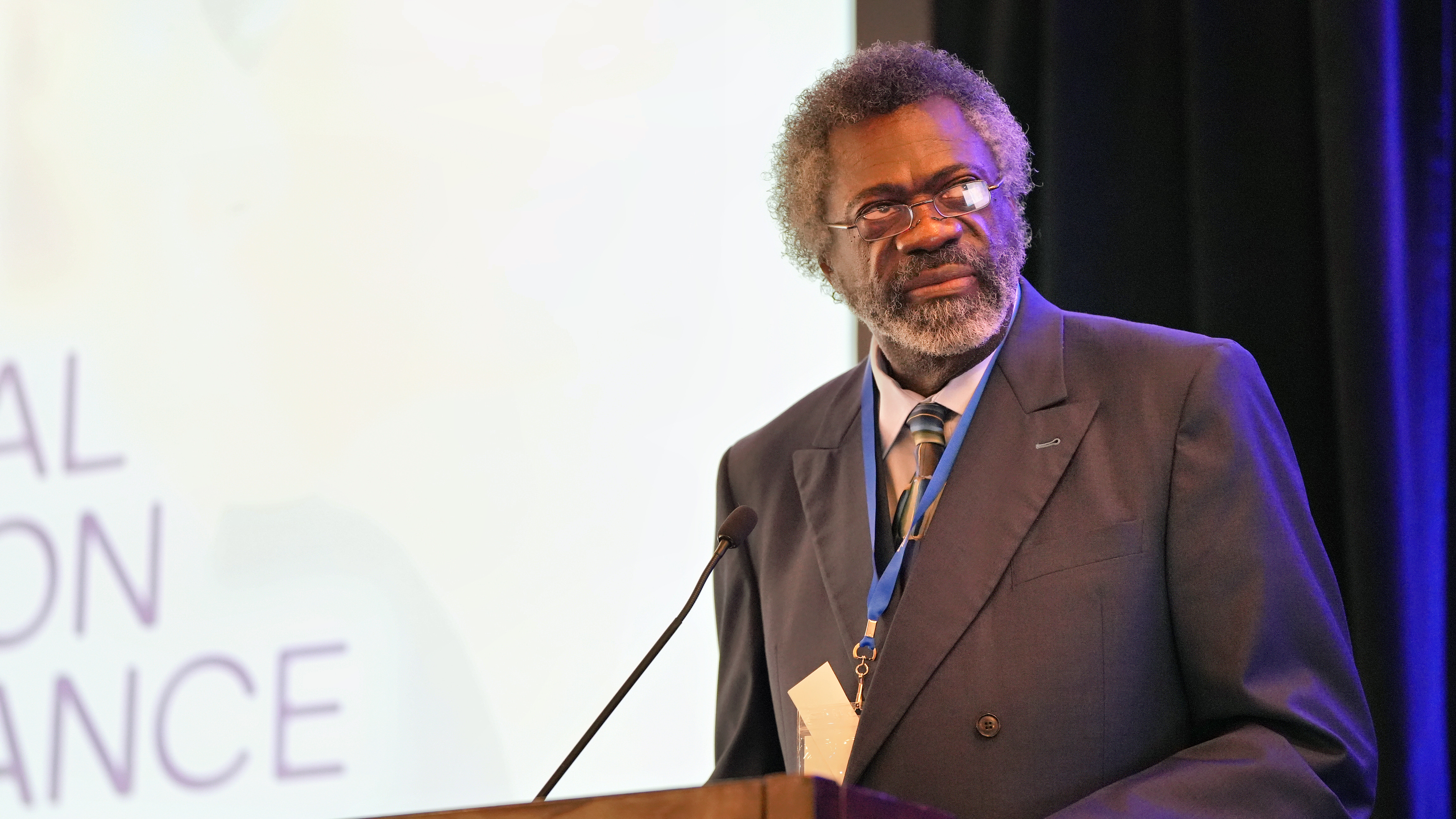
After more than four decades in the profession, what do you still find most rewarding about nursing, and what continues to motivate you?
What I find most rewarding is the opportunity to help people at moments when they are most vulnerable and facing difficult challenges. Whether someone is coping with an illness or supporting a family member, nurses are there to help—even if that means simply being a quiet presence in the room.
I am also motivated by the people who still want to become nurses. Despite reports of workplace violence and the many other challenges nurses face, it gives me hope to know that people still care and want to demonstrate that care through nursing.
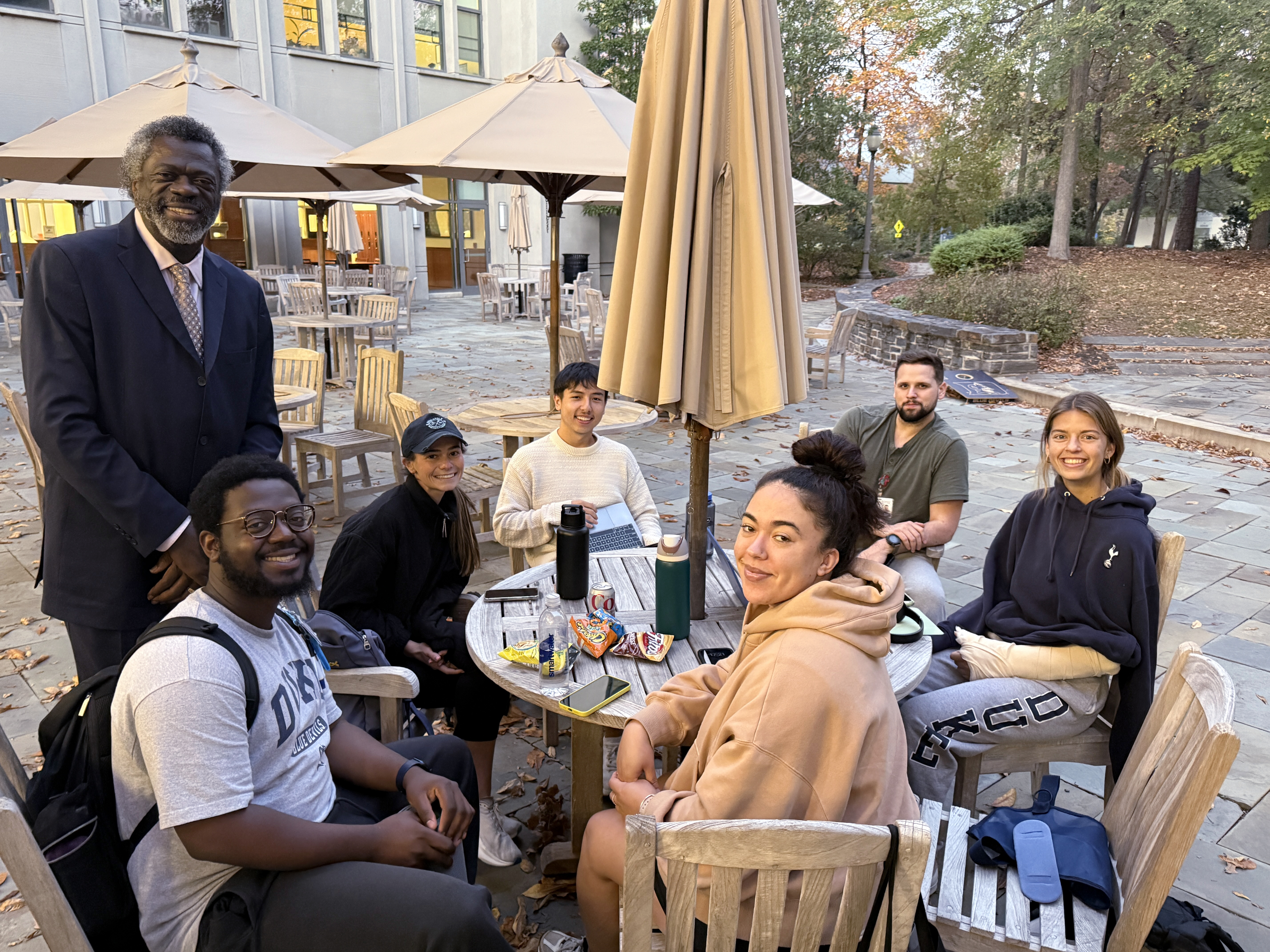
Your career has spanned direct patient care, education, public health, and national leadership. How has moving among those roles influenced your understanding of what nurses can accomplish?
Moving among these many different roles has further cemented in my mind that nurses play many different roles, and as a result, we can be there for so many people in so many situations. As I have stated before, as nurses we encounter people at so many different points in their lives and to be able to be there for them during a challenging time. It is an honor and privilege to be on that journey with the individual and their family, no matter how long or short the time period may be.
Ultimately, what this says to me is that as a nurse, you can accomplish anything that comes your way. I sometimes view it as the nurse running towards the challenge, as others are choosing to run away. Having the bravery to meet that challenge head-on and advocate for those that we care for speaks more to who we are as nurses than addressing the challenge itself.
As you look ahead, what are the biggest issues facing nursing, and what must the profession do now to prepare the next generation?
I see two major issues facing the nursing profession. The first is the workforce shortage. We know that within the next three to five years, there will be a need for at least 500,000 nurses—and that does not account for the baby boomer nurses who will retire. Approximately 280,000 students graduate from nursing school each year, so we are already starting with a deficit.
As a profession, we must become more engaged with members of Congress and state legislators to secure additional funding for nursing education. That funding should include scholarships for students as well as support for nurses who want to become faculty members.
The second issue is how we embrace artificial intelligence and the changes in skills it will bring. Helping students strengthen their critical-thinking skills may become more challenging if it seems easier to ask AI to interpret what is happening. Overreliance on these tools could dilute those skills.
We need to determine where AI can improve efficiency while ensuring that care remains personal. AI can be a valuable tool, but it will never replace nurses, the human touch, or humility.