New President of Nursing Alumni Council Innovates in Healthcare, Precepts Students
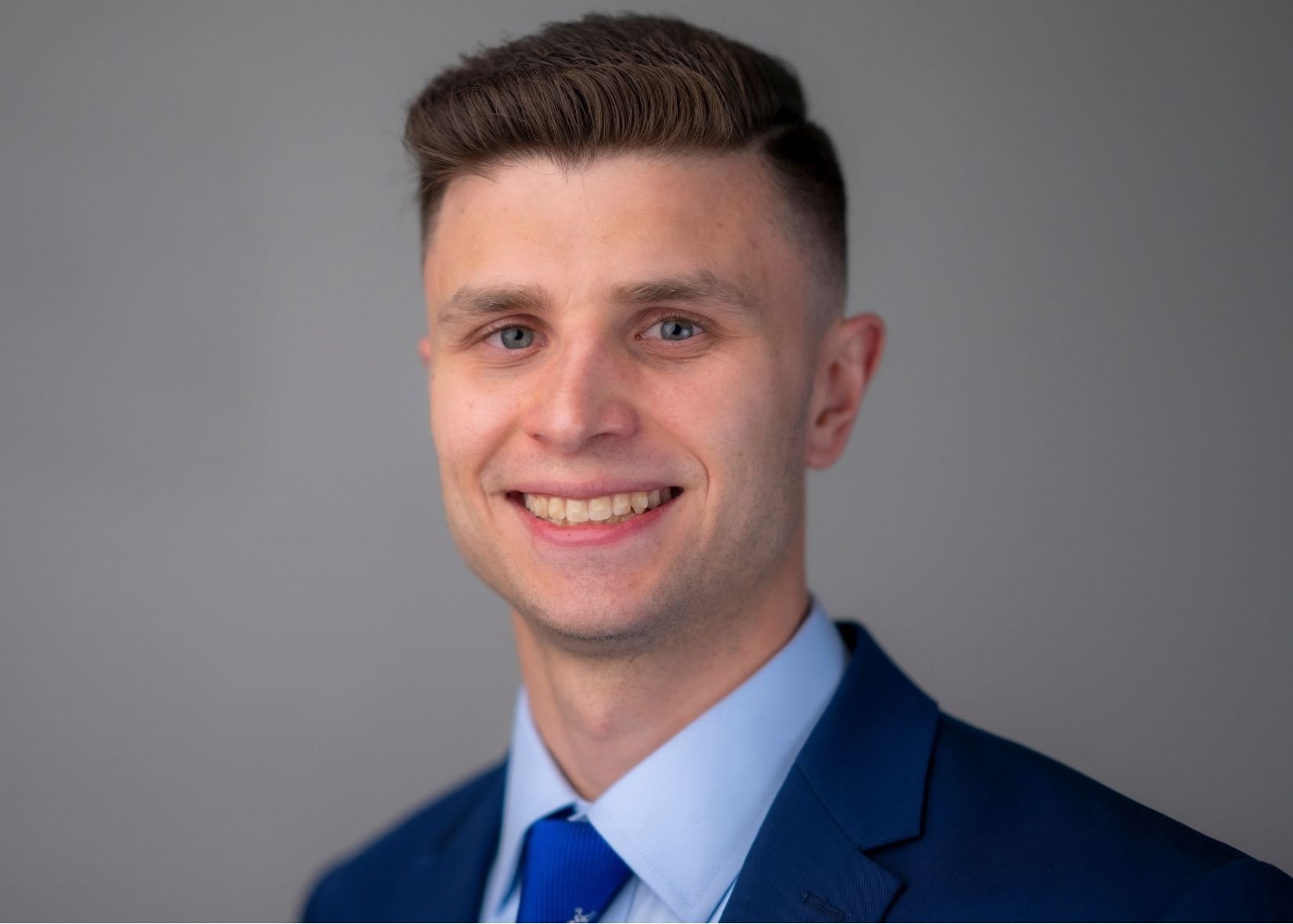
A healthcare innovator in New York City, Robert Stern maintains his connection to Duke Nursing as the new president of the Nursing Alumni Council and a preceptor for students.
An alumnus of Duke University School of Nursing, Robert Stern is a healthcare innovator and the newly elected president of the Nursing Alumni Council. He also serves as a preceptor to prelicensure students, helping to prepare the next generation of nurses by providing support while also encouraging them to chart their own paths.
“He made my transition from a student nurse to practicing nurse easier by fostering a safe learning environment in the Cardiothoracic Intensive Care Unit at Duke. During and after orientation, Rob provided a safe space for questions, guidance, and career development. His mentorship and support helped shape the critical care nurse I am today.”
~ Aye Sutherland, Duke Nursing’s prelicensure program graduate, Class of 2021
How did your time at Duke School of Nursing prepare you for your career? How do you utilize your nursing degree alongside your MBA in your current endeavors?
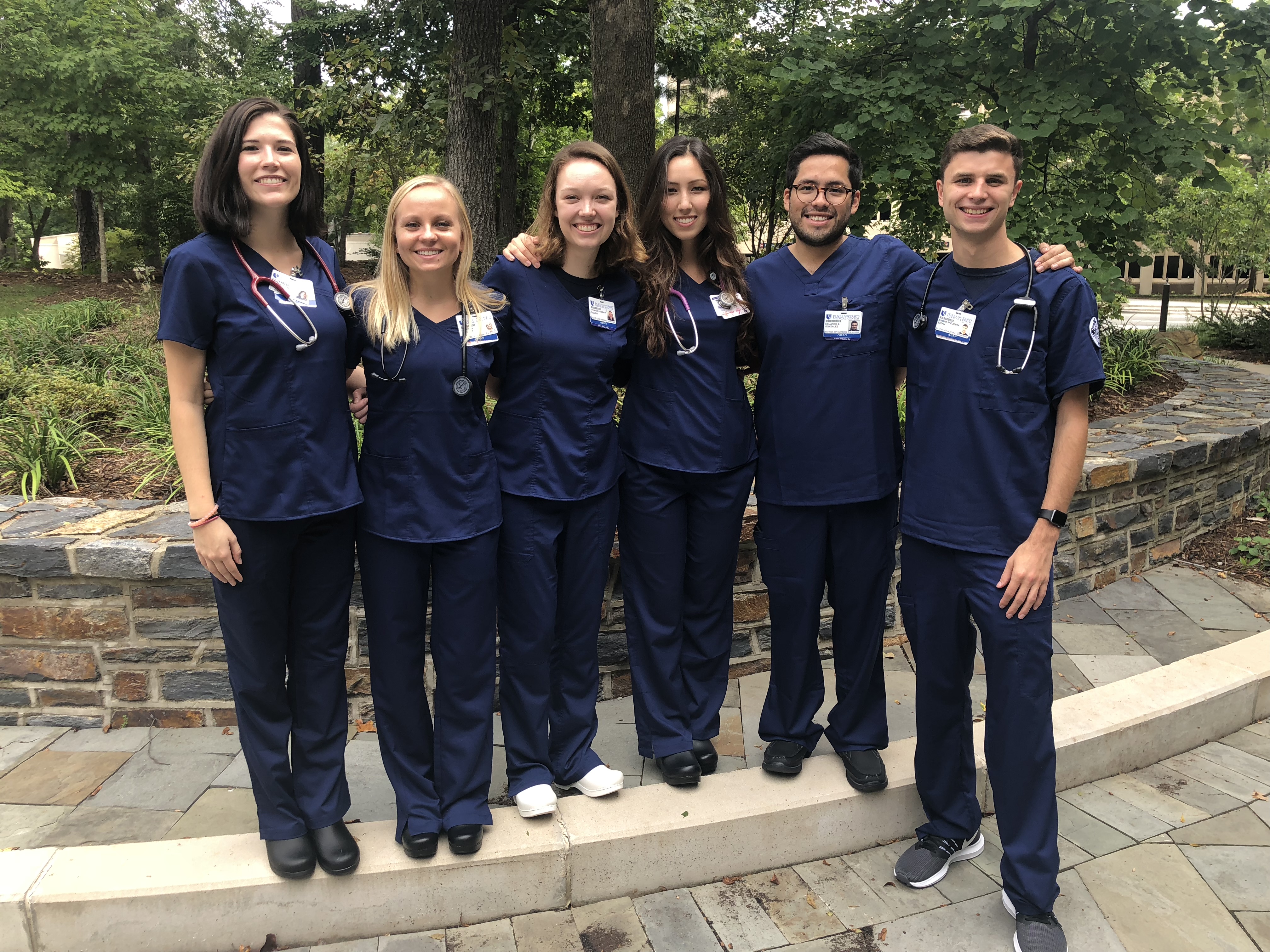
My time at Duke shaped much more than my clinical foundation. It shaped the way I approach problems. I left Duke with an appreciation for asking whether there was a better way to do something rather than simply accepting that something had always been done a particular way. That mindset has stayed with me throughout my career.
I use my nursing education and my MBA together every day. Nursing gives me the clinical perspective to understand what a change means for patients, nurses, and the care environment, while the MBA gives me another lens through which to think about operations, resources, strategy, and sustainability. I think the two perspectives are most valuable when they’re considered together.
That combination has been particularly valuable as my career has moved increasingly into leadership and program development. Whether I’m working through a complex operational problem, evaluating a new opportunity, or thinking about how to build and sustain a high-performing team, I’m constantly balancing the clinical realities of healthcare with the operational realities of running a system. My nursing education helps me stay grounded in why the work matters, while my business education helps me think about how to make that work sustainable.
Duke gave me the foundation to think that way, and my career has given me countless opportunities to put that perspective into practice.
Tell us about your work with Northwell Greenwich Village Hospital in NYC, where you operationalized and lead an innovative micro-hospital that includes a STEMI receiving center. What are some of the innovations you hope to incorporate?
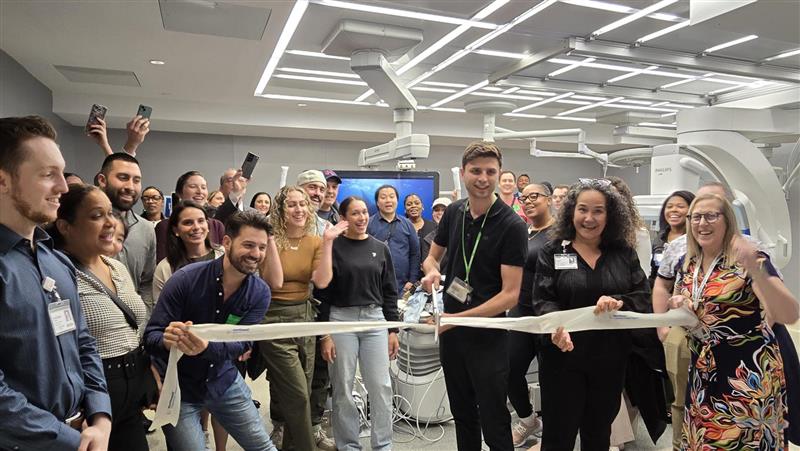
Greenwich Village Hospital is part of Northwell Health and is a unique example of how a health system can bring hospital-level care into a dense urban community. As a micro hospital, the intent was to provide high-quality, accessible care in an environment where space is limited, but the needs of the community are not. The hospital includes an eight-bed inpatient unit, and technology built directly into each room allows us to connect patients with more than 20 specialty services through teleconsultation. That model has given us an opportunity to think differently about how we deliver complex care in smaller hospitals.
I’ve been fortunate to be part of building and operationalizing new cardiovascular capabilities within the hospital, including 24/7 interventional services and a STEMI receiving center, while also helping develop the teams and infrastructure needed to support them. But what I find most exciting is the opportunity to pilot new approaches to care delivery and learn what works. Not just for patients, but for the people caring for them.
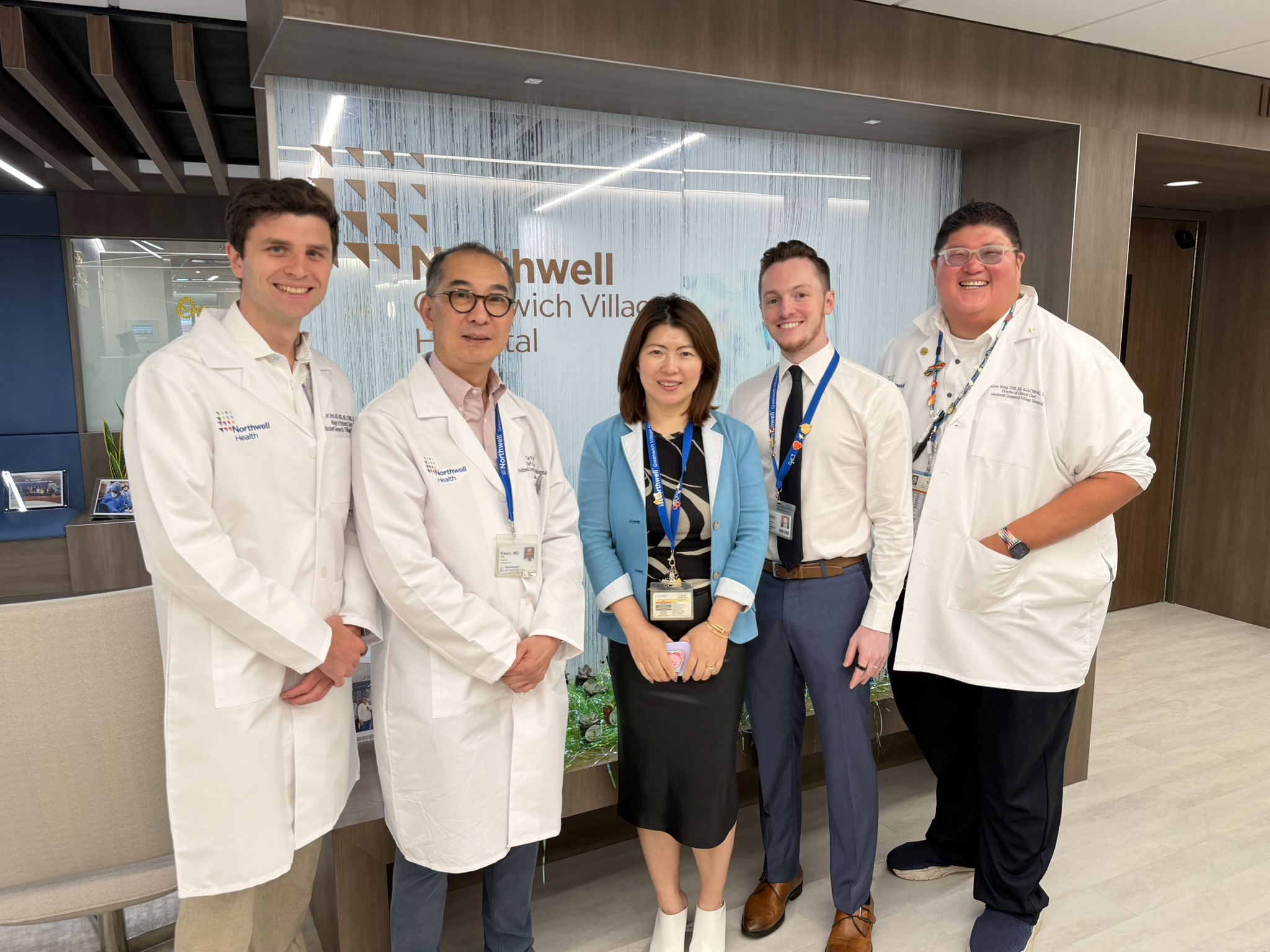
That means looking beyond traditional models and asking how we can make care more connected, more efficient, and more responsive to the needs of the community. Technology will play an important role in that. I’m particularly interested in thoughtfully using artificial intelligence, remote monitoring, and hospital-at-home models where they can safely extend care beyond the traditional walls of the hospital. I’m equally interested in using technology to reduce administrative burden for clinicians, giving them more time to focus on patients rather than creating another layer of work.
Ultimately, I think the most meaningful innovations are the ones that improve both sides of the care experience: making it easier for patients to receive the right care at the right time, while making it easier for clinicians to provide it.
What inspired you to join the Nursing Alumni Council (NAC)? And what do you hope to accomplish as the newly elected NAC president?
Duke School of Nursing had a profound impact on my career, so staying connected to the school and finding ways to give back felt very natural to me. There’s also something special about being part of a community that continues to evolve long after you graduate. I wanted to remain engaged with that community while helping contribute to the school’s continued growth.
As President of the NAC, I’m hoping to build on the strong foundation established by our current president, Nicholas Biondo. One of my priorities is building greater engagement across all of the school’s programs and making sure the NAC feels representative of the broader Duke nursing community. I also want us to be an effective board with a clear sense of purpose: one that identifies where alumni can have the greatest impact and then follows through. Ultimately, I’d like alumni to feel that the NAC is not just something they belong to, but something they can actively contribute to and be proud of.
You have also maintained a connection to Duke School of Nursing through your role precepting prelicensure students. How do you approach precepting, and what has the experience been like for you?
I approach precepting with the idea that my job is not simply to teach someone how to perform the job safely, but to help them begin thinking like a nurse. That means giving students opportunities to develop clinical judgement, ask questions, and understand the “why” behind what we do. I also try to give them enough space to become independent while making sure they know they have someone there to support them when they need it.
"My job is not simply to teach someone how to perform the job safely, but to help them begin thinking like a nurse."
Precepting has been incredibly rewarding, but has also broadened my own perspective. Working with students and has kept me connected to the educational side of nursing and, as a nurse leader, has given me a better understanding of the challenges and expectations facing new graduates today. Every generation of nurses enters the profession with a different set of experiences and needs. Precepting has reminded me that one of our responsibilities as leaders is to understand those differences and create environments where new nurses can develop confidence without losing their curiosity.
Interested in becoming a preceptor? Learn about being a Duke University School of Nursing Preceptor.