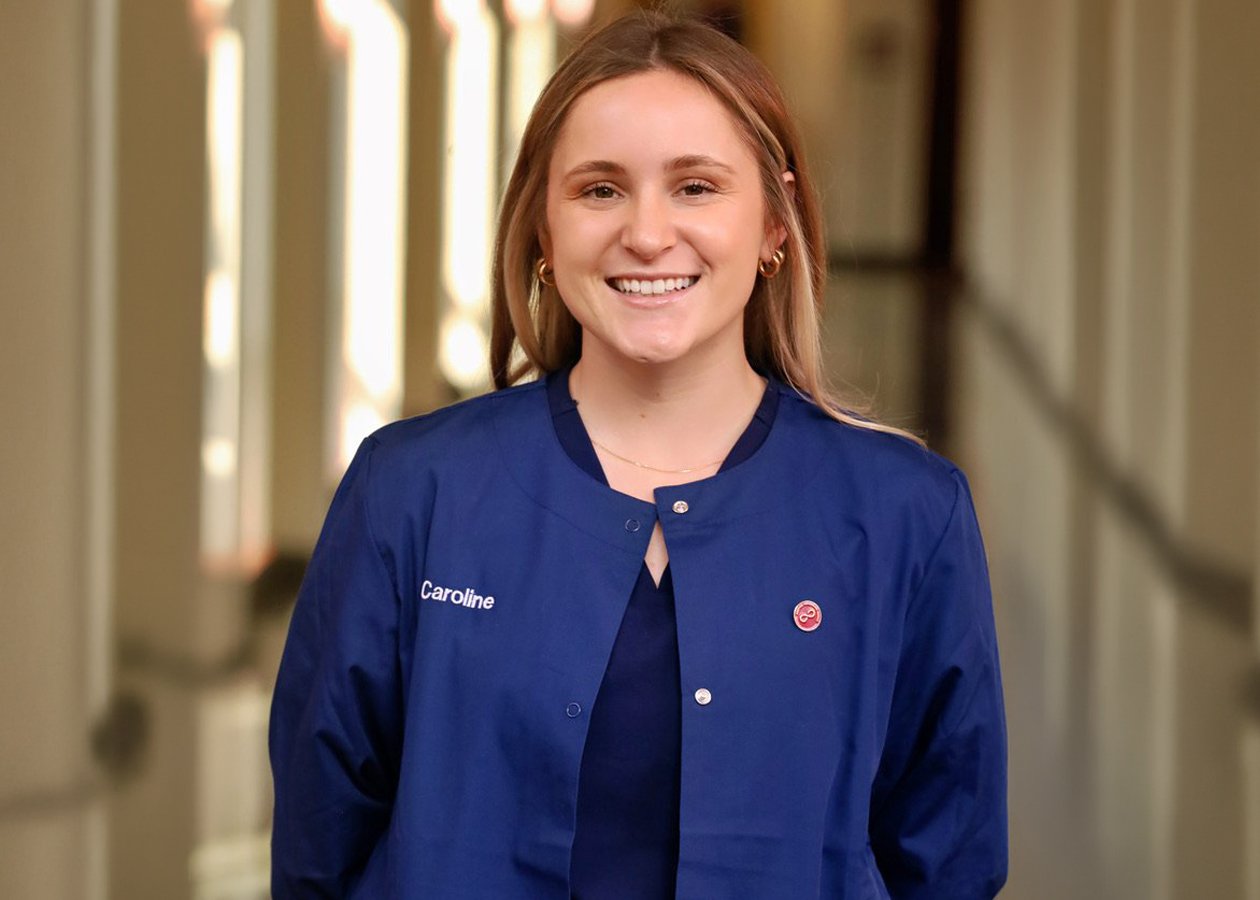
Learning to Lead Together: How Interprofessional Education Shaped Caroline Bunker's Nursing Journey
Drawing on her experiences as an athlete, patient, caregiver, and interprofessional education advocate, Caroline reflects on the path that brought her to nursing and the team-centered approach she hopes to carry into her career.
For Master of Nursing student Caroline Bunker, Duke has offered more than preparation for clinical practice; it has provided a community where collaboration and authentic connection shape how students learn. Drawing on her experiences as an athlete, patient, caregiver, and interprofessional education advocate, Caroline reflects on the path that brought her to nursing and the team-centered approach she hopes to carry into her career.
What experiences led you to nursing, and how do they continue to inform the way you approach patient care?
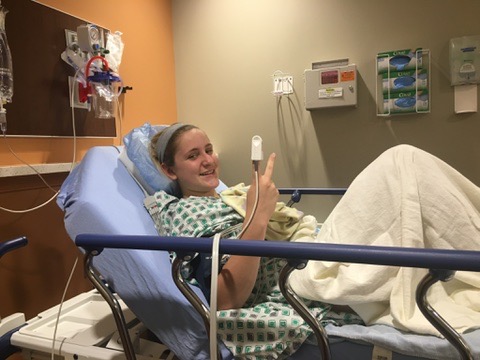
As a collegiate soccer player and team captain, I learned how much trust, communication, and a shared goal matter. I also underwent six knee surgeries, which showed me that an injury can affect far more than the body—it can disrupt independence, confidence, routine, and identity. Those experiences taught me to see the person behind the diagnosis.
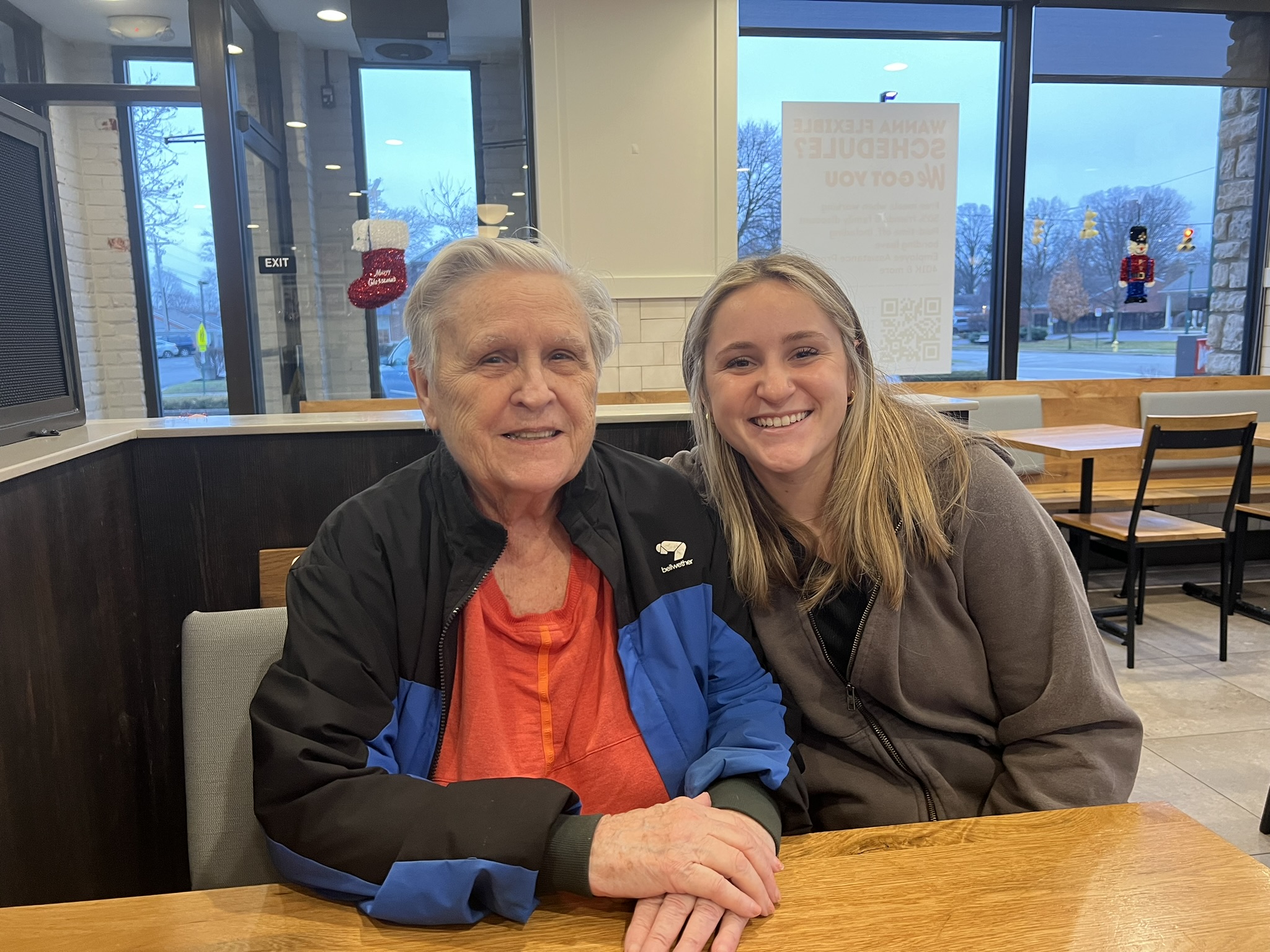
Caring for my grandmother and serving in communities in the United States and abroad reinforced that lesson. I saw the difference between wanting to help and having the knowledge and skills to meet a real need. Nursing brings those parts of my life together: service, teamwork, practical expertise, and human connection. I want patients to feel safe being themselves and to know that their dignity and sense of identity matter alongside their clinical needs.
You have been deeply involved in interprofessional education and the Interprofessional Education Center. Why is interprofessional education so important to you, and how has that work shaped your nursing school experience and influenced the kind of nurse you hope to become?
Interprofessional education has been one of the most meaningful parts of my Duke experience because healthcare is never delivered by one profession alone. Nurses, physicians, pharmacists, therapists, social workers, and other professionals bring different training and perspectives to the same goal: providing the best care for the patient.
My work with the Interprofessional Education Center has helped me understand those roles, communicate across disciplines, and appreciate what becomes possible when every team member is respected and heard. It has also taught me that asking a colleague for help is not a weakness. Recognizing your limitations and seeking the expertise a patient needs takes humility, courage, and good judgment.
Here at Duke, I have become more confident in the voice nurses bring to a team, while also learning to say, “I need another perspective.” After graduation I hope to be a nurse who contributes openly, listens carefully, and never lets pride interfere with safe, thoughtful care. Students considering Duke should know that collaboration here is not an abstract idea; it is something you practice with people who will become your partners in healthcare.
What has surprised you most about your time at Duke School of Nursing, whether in the classroom, clinical setting, or broader Duke community?
I was surprised by how quickly Duke encouraged me to become part of the broader community. Because the MN program moves quickly, I had to jump in, be intentional, and take advantage of opportunities as they came.
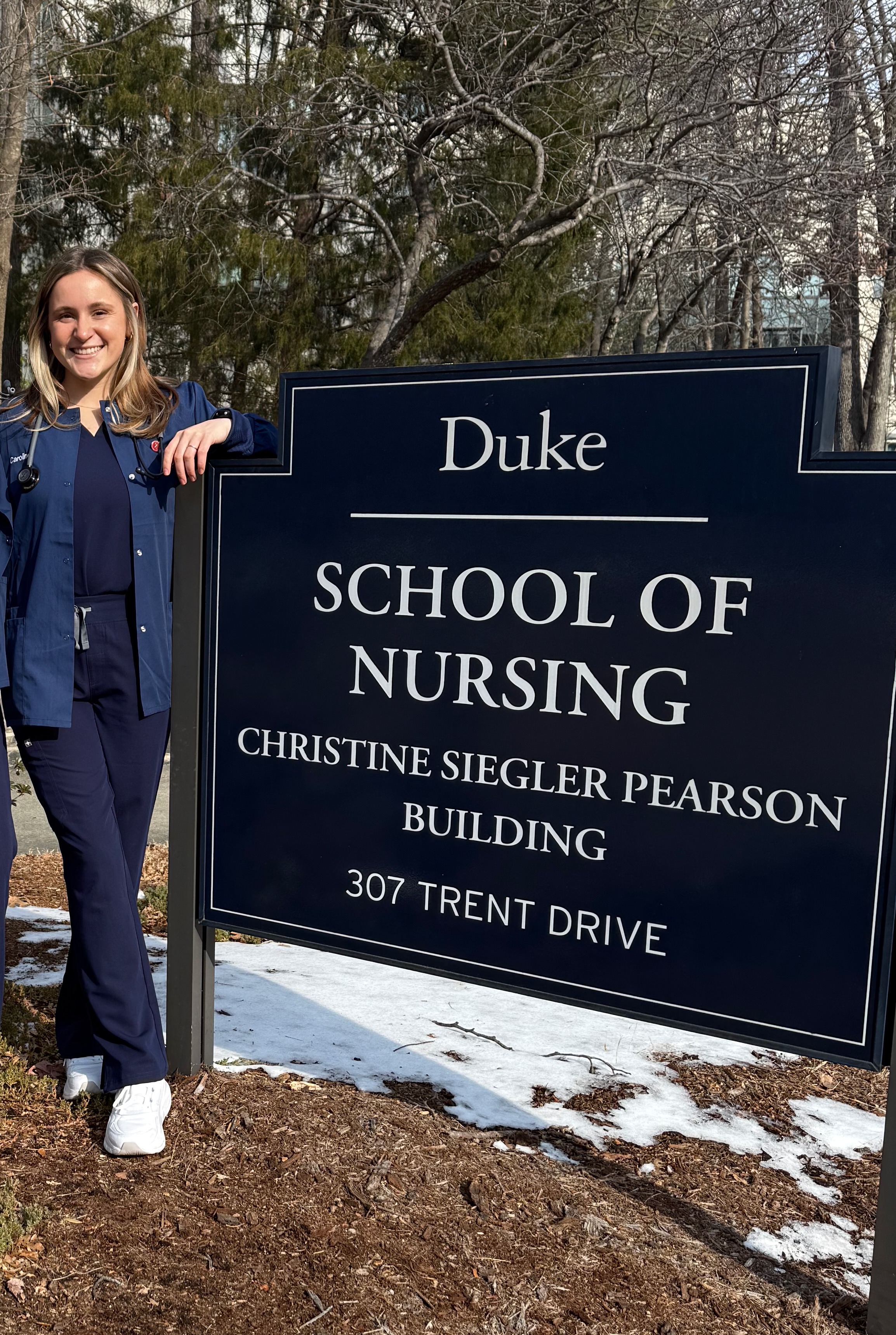
I have learned from faculty and professionals across nursing, medicine, pharmacology, and other disciplines, and I have found opportunities in leadership, community work, and interprofessional education. That range has made my education feel connected to the larger healthcare system. Duke has prepared me not only to become a nurse, but also to think about the teammate, leader, and collaborator I want to be.
Looking ahead, what are your goals after graduation, and how do you hope to make an impact as a nurse?
My immediate goal is to become the strongest RN I can be—curious, humble, and willing to keep learning from patients, families, nurses, and colleagues across healthcare. I am still exploring where I will begin, but I know I want to join a team where people communicate openly and value one another’s expertise.
I also want to remember that clinical knowledge should never overshadow simple human connection. Holding a hand, sharing a smile, or helping someone feel heard can matter on an incredibly difficult day. Ultimately, I hope to serve the communities that shaped me and to help every patient feel seen, supported, and never alone.