With UPDOs, A New Approach to HIV Prevention
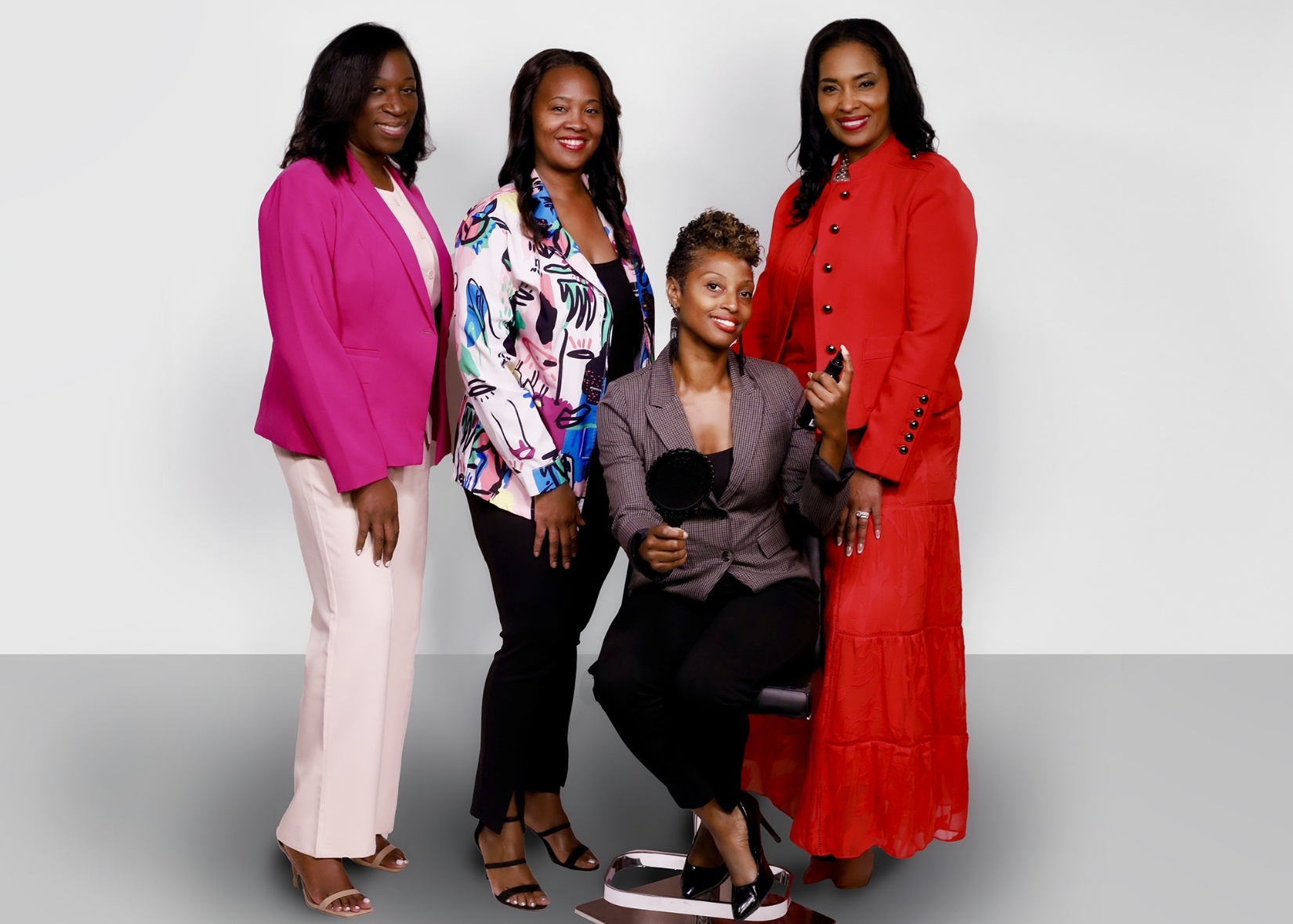
The UPDOs study—short for Using PrEP, Doing it for Ourselves, and co-led by Associate Professor Schenita D. Randolph, PhD, MPH, RN, FAAN, and Associate Professor Ragan Johnson, DNP, FNP-BC, CNE, FAANP—is a beauty salon-based intervention designed to improve HIV prevention among Black cisgender women in the U.S. South, a population disproportionately affected by HIV and historically underserved by public health outreach.
“The idea of using beauty salons as a space for health interventions is not new, but deeply rooted in the historical and cultural significance of the beauty industry within the Black community,” explained Dr. Randolph. “Black-owned beauty salons have long served as more than places for hairstyling, but they are trusted community hubs where information, stories, and wisdom are shared. Thus, the creation of UPDOs Protective Styles, Using PrEP, Doing it for Ourselves.” “When we consider beauty salons as intervention sites, we are not simply identifying convenient locations for outreach,” Dr. Randolph continued. “The salon is our safe space, and our strategy offers sustainability because we are not asking stylists to be interventionist, but we are partnering with them in ways that are feasible and acceptable and realistic for their day-to-day operations.”
What sets UPDOs apart is its deeply rooted community engagement model: the intervention was co-developed with Black women, a dedicated Community Advisory Council (CAC), and beauty salon stylists, ensuring cultural relevance and trust. “The CAC was integral to UPDOs,” says Dr. Johnson. “Before moving forward with developing UPDOs, we asked the CAC if this delivery format would be culturally relevant and relatable to Black women. After their initial feedback, they remained engaged in every step, from developing promotional materials and giving feedback on the stylist training to reviewing the script and being a watch party for the 6-part web-based edutainment videos.”
Stylists are trained as opinion leaders to share health information, while participants engage with a six-week edutainment video series, structured blogs, and telehealth access via Q Care Plus. This collaborative approach not only amplifies awareness and trust in PrEP, but also reflects a broader commitment to equity, advocacy, and authentic partnership in public health research.
Additionally, UPDOs represents an important collaboration between PhD and DNP prepared nurses. “Health disparities are complex, rooted in structural, social, and biological factors,” said Dr. Randolph, a PhD nurse scientist. “No single role can solve them alone. Collaboration between PhD-prepared nurse scientists and DNP-prepared nurses like Dr. Johnson is essential because PhD nurses identify root causes of disparities, develop interventions, and generate evidence, while DNP nurses take that evidence and implement it effectively in real-world healthcare settings.” “When academic and practice leaders collaborate, it models a united nursing profession committed to equity and justice, strengthening trust with communities most impacted by disparities,” Dr. Randolph concluded. “This collaboration ensures that innovations don’t stay in journals but actually reach communities—a critical step in eliminating health disparities.”