A Defining Moment for Duke School of Nursing: Nurse Scientists Inspire Future Leaders
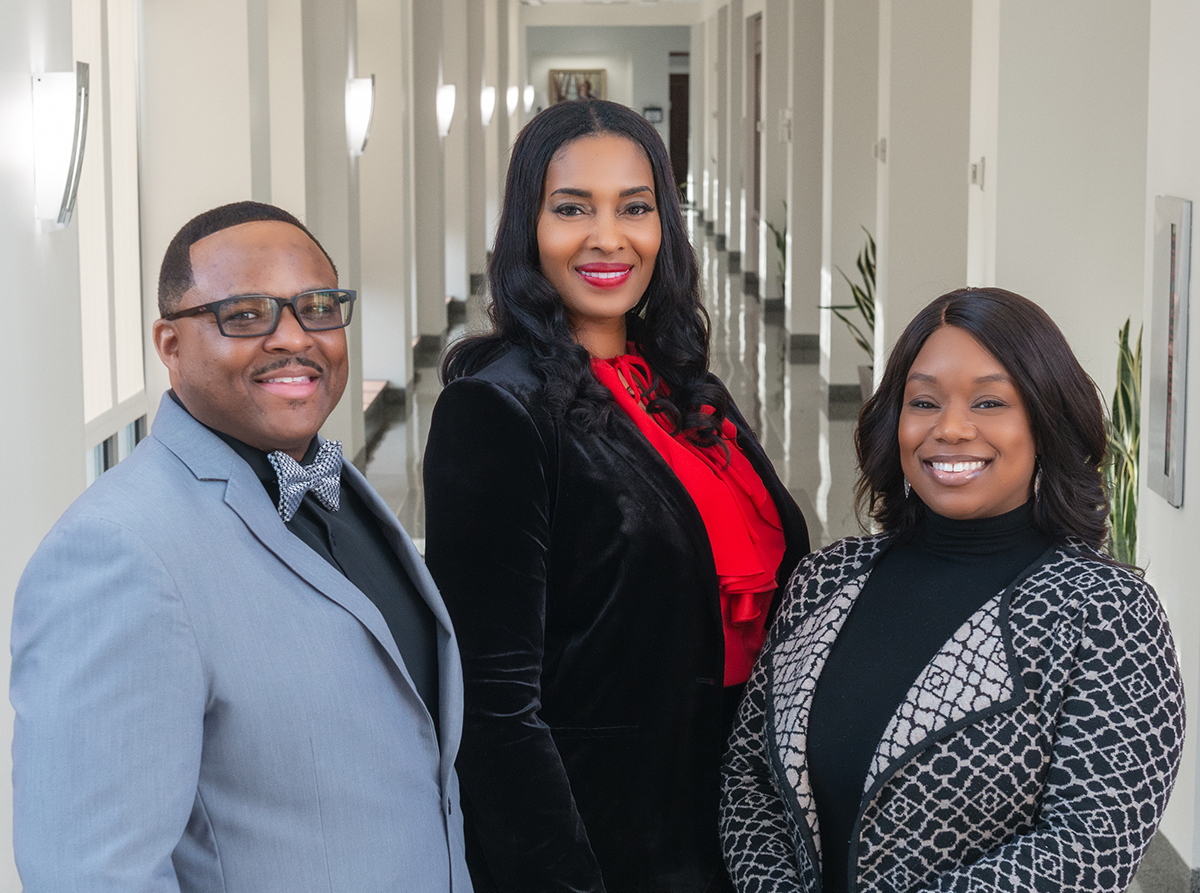
Associate Professor Michael Cary, PhD, RN, FAAN; Associate Professor Tolu Oyesanya, PhD, RN; and Associate Professor Schenita Randolph, PhD, MPH, RN, FAAN—the first Black nurse scientists at Duke University School of Nursing to be granted tenure in the School's history—have very different areas of focus in their research.
Dr. Cary uses AI and machine learning to study health disparities related to aging and develops strategies to improve healthcare delivery to older adults in diverse populations. Dr. Oyesanya researches care of patients with traumatic brain injury (TBI) in acute and post-acute treatment settings, as well as support of their family caregivers. And Dr. Randolph is advancing nursing science by addressing the root causes of health disparities among Black women, adolescents, families, and communities.
Yet these three nurse scientists share a deep commitment to advancing health equity through their work, as well as to mentoring the next generation of nurse scientists, leaders, and educators.
Nursing Scientists: Vital to the Future of the Profession
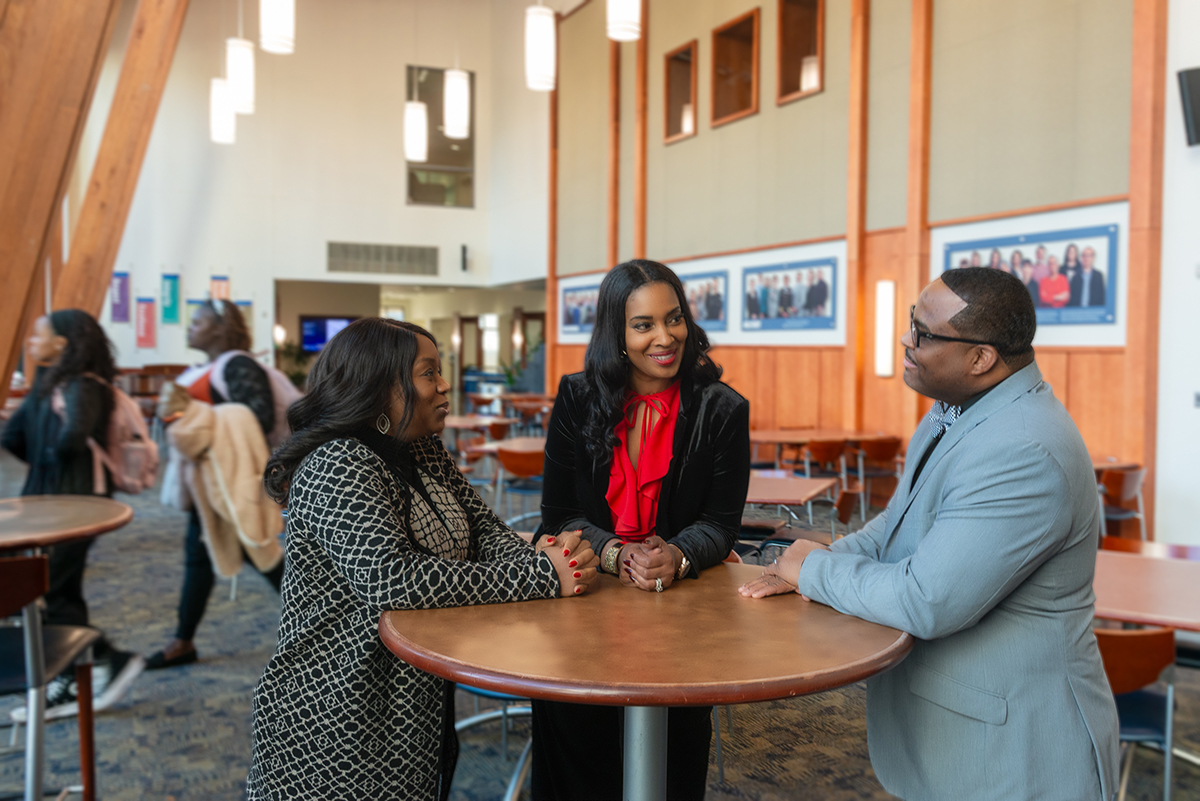
PhD-prepared nurse scientists develop the foundation of research to inform clinical practice, they assess and improve current practice, and they innovate new nurse-led models of care for people across the lifespan. Yet between 2012-2022, enrollment in PhD programs declined 12%, with forecasts suggesting that enrollment will continue to decline over the next decade (AACN). Particularly with many PhD-prepared faculty retiring without sufficient incoming PhD graduates to replace them (AACN), recruiting and nurturing the next generation of nurse scientists is top of mind for nursing leaders, including Drs. Cary, Oyesanya, and Randolph.
It is especially important, Dr. Randolph explained, to equip a field of nurse scientists that is representative of the populations they serve. “Patients benefit when they see clinicians and scientists who look like them, and communities are better served when those designing research and interventions understand their contexts,” she said. “Mentorship, for me, is not passive. It is an active, sustained practice of showing up, building pathways, and creating conditions where Black nurse scientists can thrive, lead, and transform health outcomes for the communities most impacted by inequity."
Mentorship to Support Tomorrow’s Nursing Leaders
All three faculty members have developed formal mentoring programs to support future nurse scientists. Dr. Randoph is co-founder of Black PhD Nurse Scientists (BPNS), an organization founded to support current and future PhD-prepared nurse scientists. Dr. Oyesanya has developed multiple mentoring initiatives, including the inaugural organization-wide mentoring program for the American Congress of Rehabilitation Medicine Career Development Networking Group, matching 92 mentoring pairs since 2022. And Dr. Cary has helmed the AcademyHealth Interdisciplinary Research Group on Nursing Issues (IRGNI) Emerging Diversity Leaders, as well as the Network for Black Male Nurse Leaders.
“Over time, I’ve learned that mentorship isn’t only about guidance,” Dr. Cary said. “It’s also about sponsorship—opening doors, creating access to networks, and helping people step into opportunities that accelerate their professional growth.”
Dr. Randolph agreed, saying mentoring work “is about capacity building, not just inspiration. [...] My goal is to make the nurse scientist pathway visible, tangible, and attainable, particularly for students who may not otherwise know this career option exists.”
Faculty Voices
Hear more about our faculty’s work and leadership.
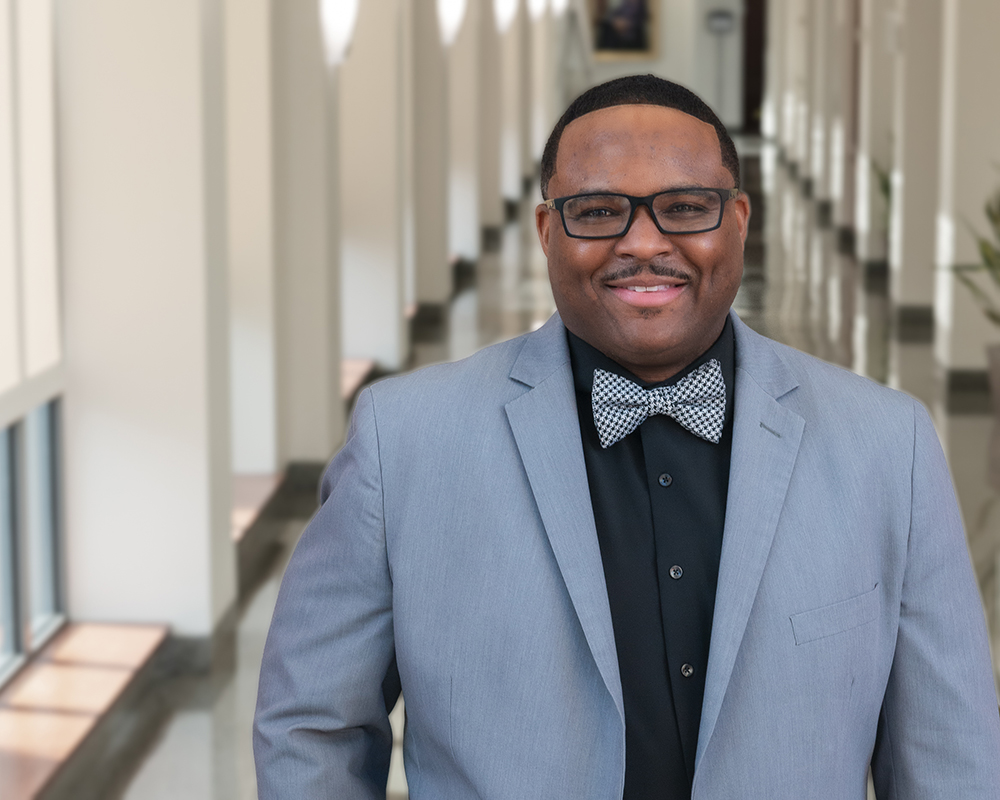
“[My mentors] encouraged me to pursue doctoral training, step into leadership roles, and trust that my voice and perspective belonged in academic spaces where I was often one of very few—or the only—Black faculty member.”

“Having served as both a mentee and a mentor, I try to always keep both perspectives in mind as I mentor students, postdocs, and junior faculty at the School of Nursing, Duke University, and beyond.”
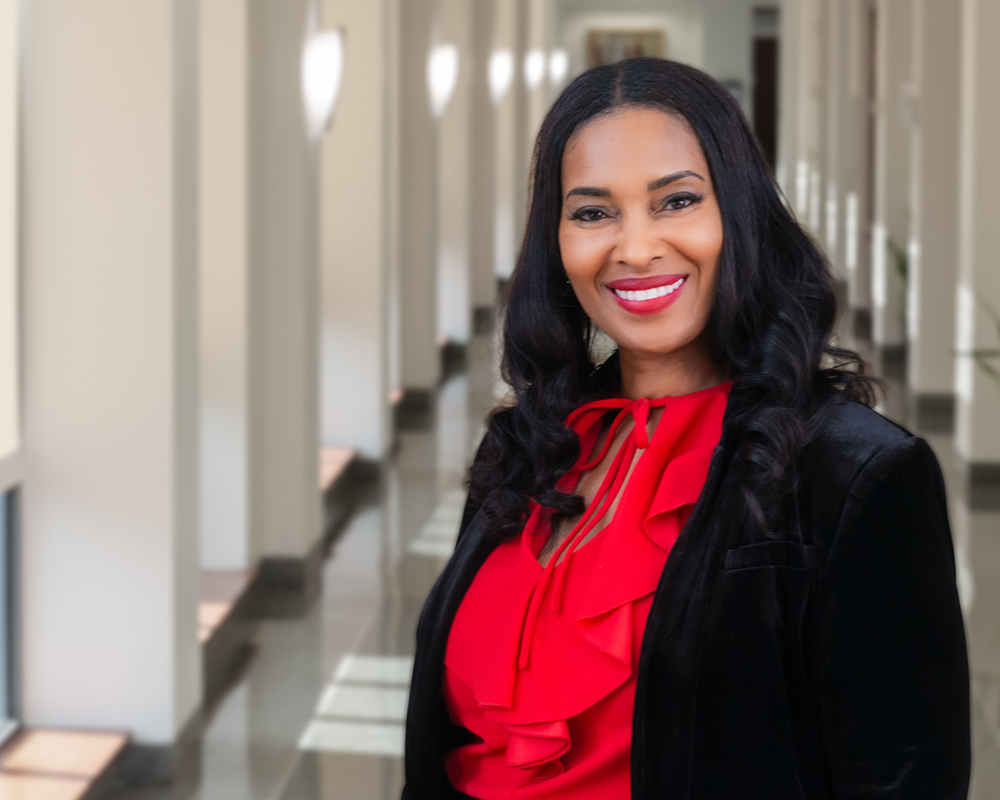
“Being at Duke has reinforced for me that advancing equity is not only about research outputs, but is also about accountability, trust-building, and honoring the lived realities of the communities we serve.”