Dr. Paula Tanabe on Nurse Leadership and Sickle Cell Care
Dr. Paula Tanabe, an expert and advocate in the field of sickle cell care, shares insights on leadership and the value of teamwork.
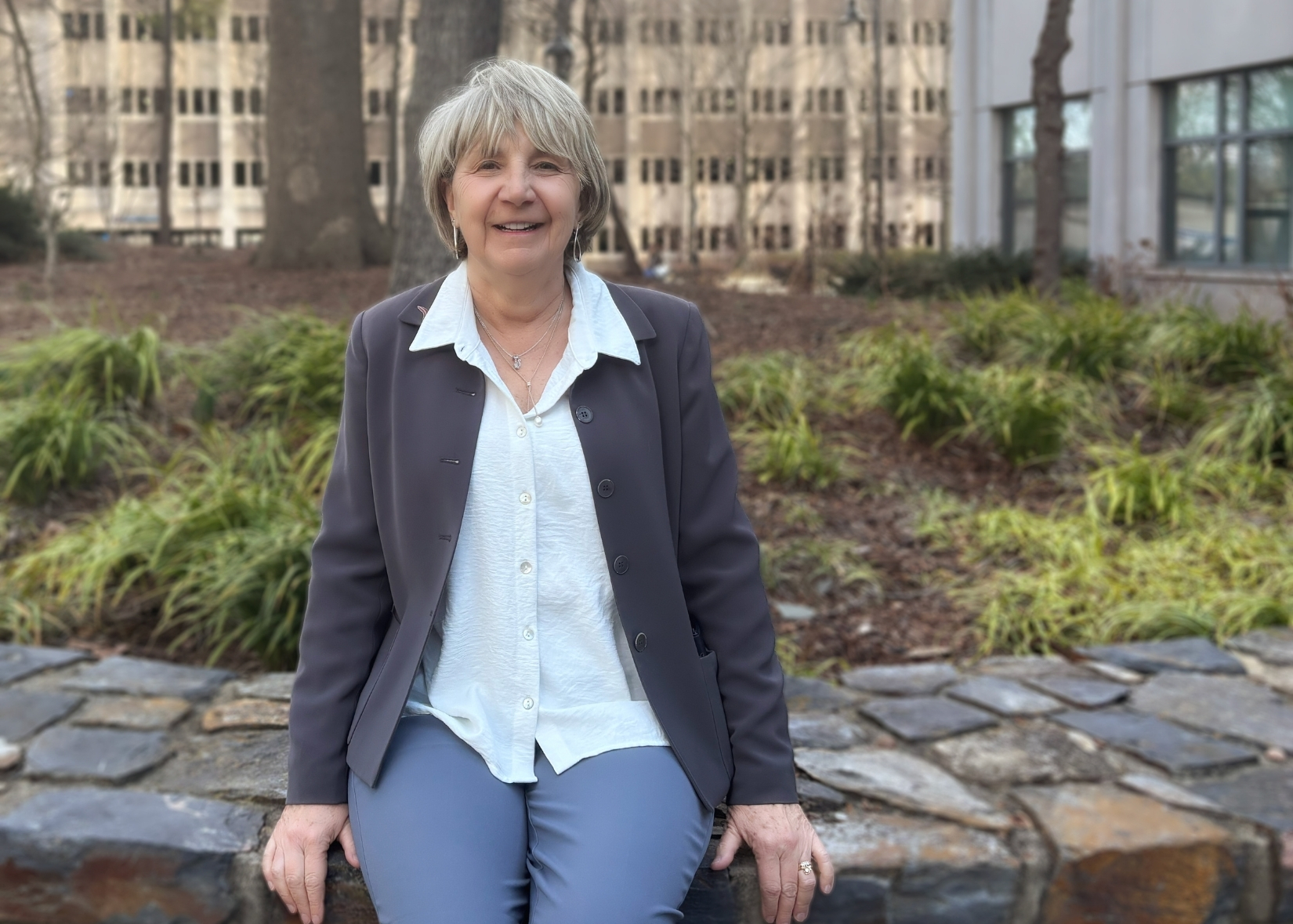
Paula Tanabe, PhD, RN, MSN, MPH, FAEN, FAAN, the Laurel Chadwick Distinguished Professor in the School of Nursing and Professor of Medicine, has spent much of her distinguished career focusing on the field of sickle cell research. Reflecting on her work at Duke and beyond, she considers the meaning of leadership, the importance of having women in leadership roles, and her own commitment to improving care for people living with sickle cell disease.
Dedicated to Advancing Sickle Cell Research
Dr. Tanabe is among a team of faculty at the School of Nursing advancing sickle cell research—from pain management, to leading the CDC-funded North Carolina Sickle Cell Data Collection Program, to global interventions.
“I hope one day individuals with sickle cell disease can expect excellent treatment of pain in the emergency department as well as being cared for with trust and respect.”
Dr. Tanabe’s work focuses on improving emergency department care for individuals experiencing vaso-occlusive crisis, an acutely painful complication of sickle cell disease occurring when sickled red blood cells block small blood vessels. She advocates for timely delivery of pain medicines as well as the development of individualized pain plans.
“Individuals with sickle cell disease drive my work,” said Dr. Tanabe. “Hearing their stories is emotional, tragic, and draining. However, it drives my passion to help emergency department physicians and nurses to learn how and be able to give good care.”
“I hope one day individuals with sickle cell disease can expect excellent treatment of pain in the emergency department as well as being cared for with trust and respect,” Dr. Tanabe emphasized.
Dr. Tanabe spent many years in the Duke Health system as a Clinical Nurse Specialist for sickle cell disease. She worked with social workers as well as healthcare workers at every level to learn more about the condition and to coordinate an annual two-day conference that would enable knowledge sharing and raise awareness.
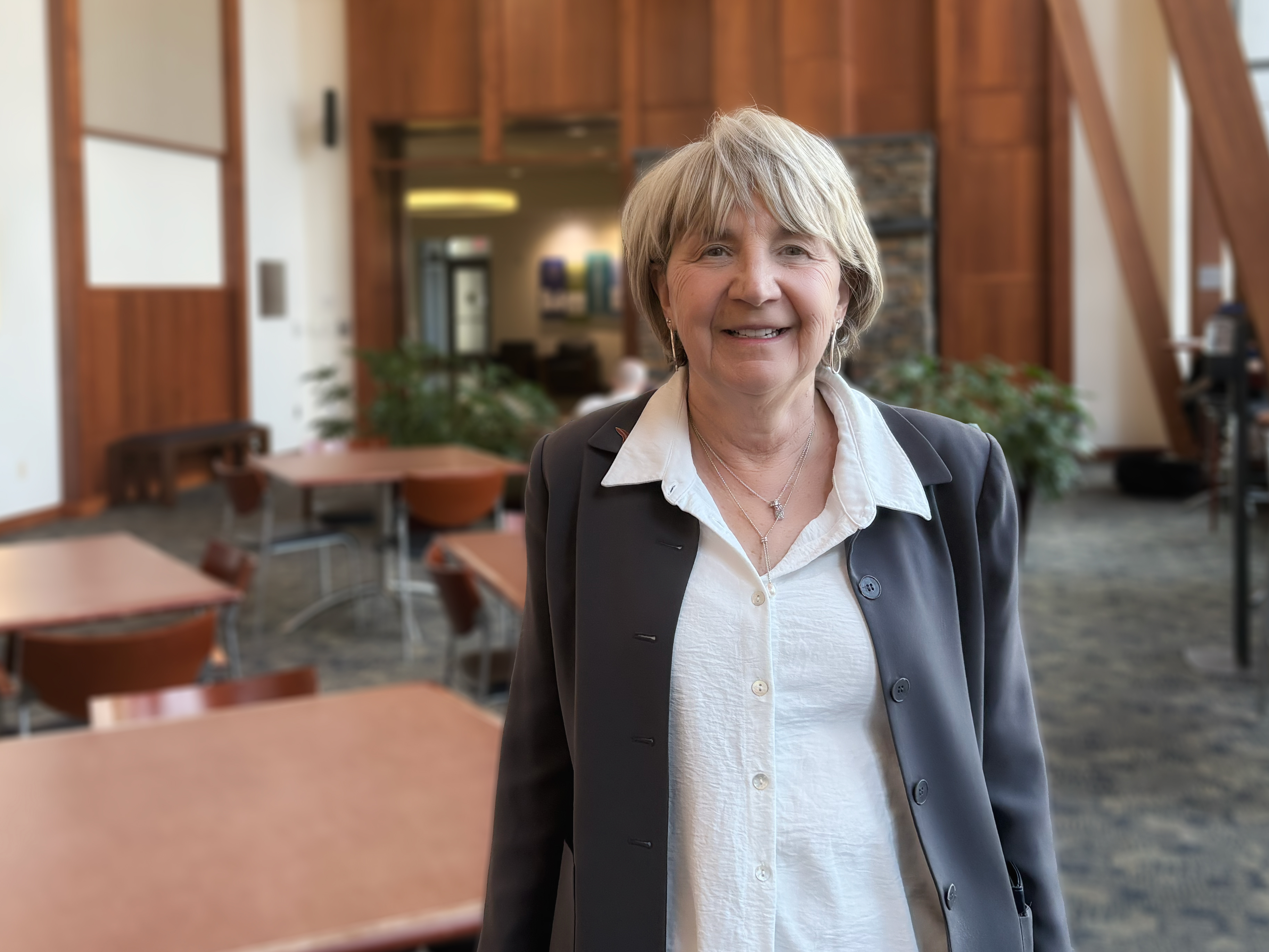
While attending closely to the lived experiences of those with sickle cell, Dr. Tanabe has channeled her work far beyond Duke. She has led the development of national recommendations for treatment of vaso-occlusive crisis for the National Institutes of Health and is currently leading another national group of experts that is expanding those recommendations for the National Alliance of Sickle Cell Centers.
Dr. Tanabe also serves as Chair Elect of the Emergency Department Sickle Cell Care Coalition (EDS3), a group made up of multiple professional organizations and government agencies dedicated to improving management of emergency department care for individuals with sickle cell disease. She represents the Emergency Nurses Association, the premier professional organization for emergency nurses with more than 42,000 members worldwide.
“I love working with so many experts in sickle cell disease and emergency medicine and meeting great colleagues from across the United States who have the same passion,” said Dr. Tanabe. “I truly enjoy those collaborations and relationships that I have developed over the past 20 years working in sickle cell disease.”
Continuing a Legacy of Leadership
By seeking collaboration, Dr. Tanabe lives out her definition of leadership, which strongly emphasizes teamwork.
“Leadership is empowerment. A good leader supports and empowers others to be able to work and live to their full potential,” said Dr. Tanabe. “A good leader works with people individually and in teams to understand what they need to succeed.”
“Team success leads to better health outcomes and quality of life,” Dr. Tanabe added.
Serving as Vice Dean for Research at the School of Nursing for four years, Dr. Tanabe gained first-hand experience in giving other researchers the tools they needed to succeed amidst challenges.
“It was my honor to support faculty and students in conducting research,” said Dr. Tanabe. “Being able to advocate for improving the process and determining what resources faculty need to conduct research was a rewarding experience.”
“Leadership is empowerment. A good leader supports and empowers others to be able to work and live to their full potential.”
When it comes to women in leadership, especially, Dr. Tanabe said that she had strong models at the School of Nursing: former deans Mary Champagne, Catherine Gillis, and Marion Broome.
While Drs. Champagne and Broome have both passed on, Dr. Tanabe said that they leave behind a legacy of “exceptional leadership” that she hopes to emulate.
“While each had very individual special characteristics that made them exceptional deans, they shared two common attributes—incredible strength and a passion to improve the profession of nursing,” said Dr. Tanabe. “I respect them both and will cherish them forever.”