Advancing Oncology Care Through a DNP Lens: A Q&A with Lakisha McDonald
Lakisha McDonald explains how her DNP education empowers her to impact oncology patient care, health systems, and policy beyond the bedside.
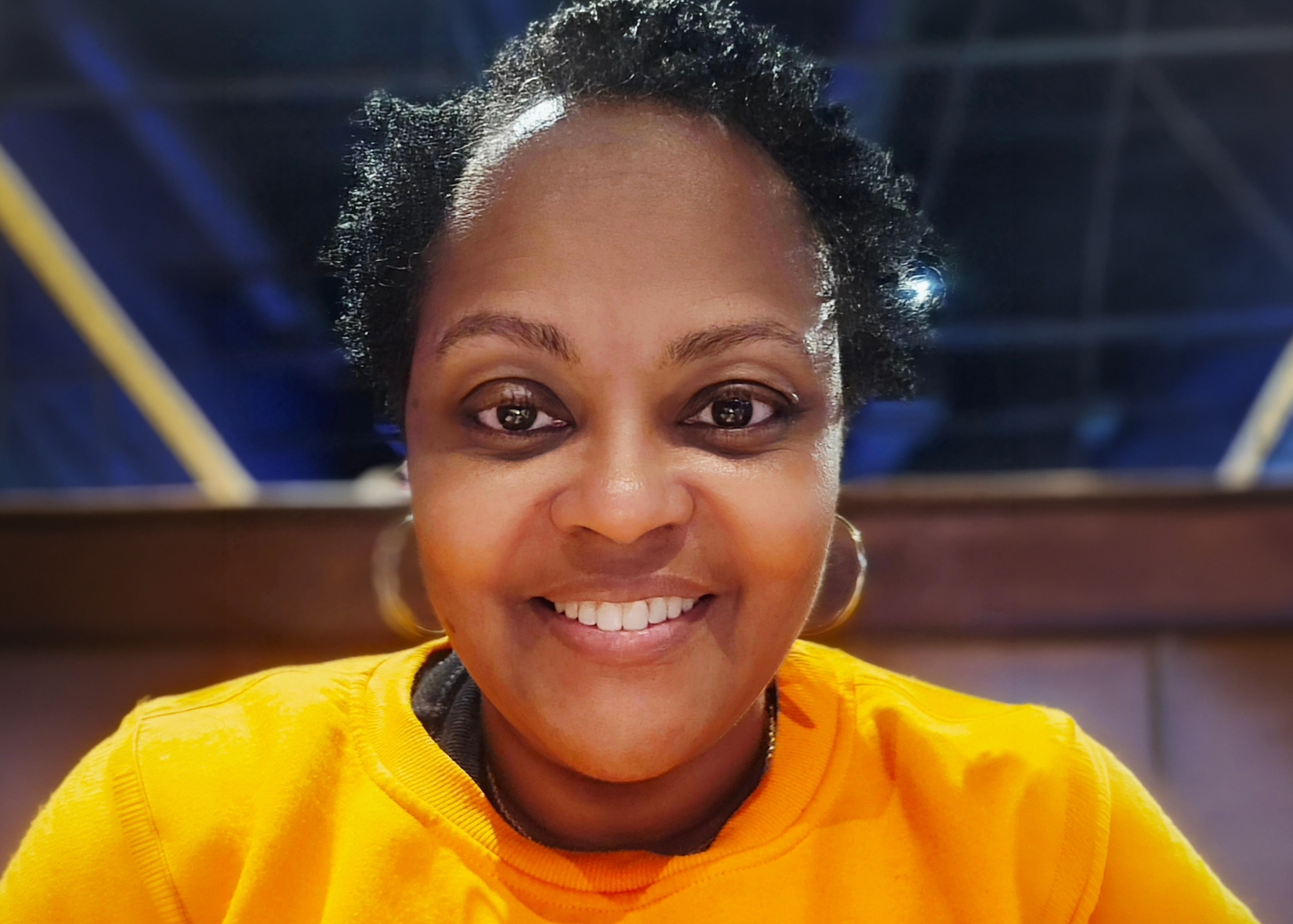
As healthcare systems grow increasingly complex, Doctor of Nursing Practice (DNP)–prepared nurses are uniquely positioned to bridge clinical care, leadership, and policy. In this Q&A, oncology nurse practitioner and DNP student Lakisha McDonald, MSN'24 reflects on her professional journey, her commitment to patient advocacy and health literacy, and how her DNP education is shaping her impact on oncology care at the bedside and beyond.
Tell us about your professional journey before coming to Duke. How did those experiences shape your path toward advanced nursing practice?
Prior to starting the DNP program at Duke, I worked as a travel nurse across a variety of clinical settings. This role required a high degree of flexibility, adaptability, and comfort with being the “new person” in unfamiliar environments. Moving frequently between organizations strengthened my ability to quickly learn unit workflows, engage with interdisciplinary teams, and uphold patient safety standards regardless of setting.
As a travel nurse, I became particularly attuned to how policies, procedures, and system-level practices directly influence care quality and patient outcomes. Observing variations in processes across institutions sparked my interest in evidence-based practice, quality improvement, and leadership in clinical decision-making. These experiences ultimately shaped my desire to pursue advanced nursing practice through the DNP program, where I could expand my impact beyond individual patient encounters to influence systems, policy, and practice at a broader level.
What originally inspired you to pursue nursing, and were there any pivotal moments or mentors who influenced your decision to advance your career with a DNP?
My decision to pursue nursing began with a moment of absolute clarity. I quite literally sat up in bed one day and declared that I was going to be a nurse. I registered for school the very next day and never looked back. While the path was not always straightforward, particularly as an Army wife who moved frequently, the challenges only reinforced my commitment to the profession and my determination to find a way forward.
Initially, I did not envision returning to school beyond earning my BSN. However, a pivotal influence in my professional journey has been my mentor and close friend, Lawanis Raper-Phillips, DNP. When we first met, she was an LPN who had firmly set her sights on advanced practice nursing. Her grit, perseverance, and unwavering belief in herself inspired me to pursue my MSN and ultimately my DNP. Watching her navigate her own academic and professional journey reshaped my understanding of what was possible and motivated me to advance my career to expand my impact as a nurse.
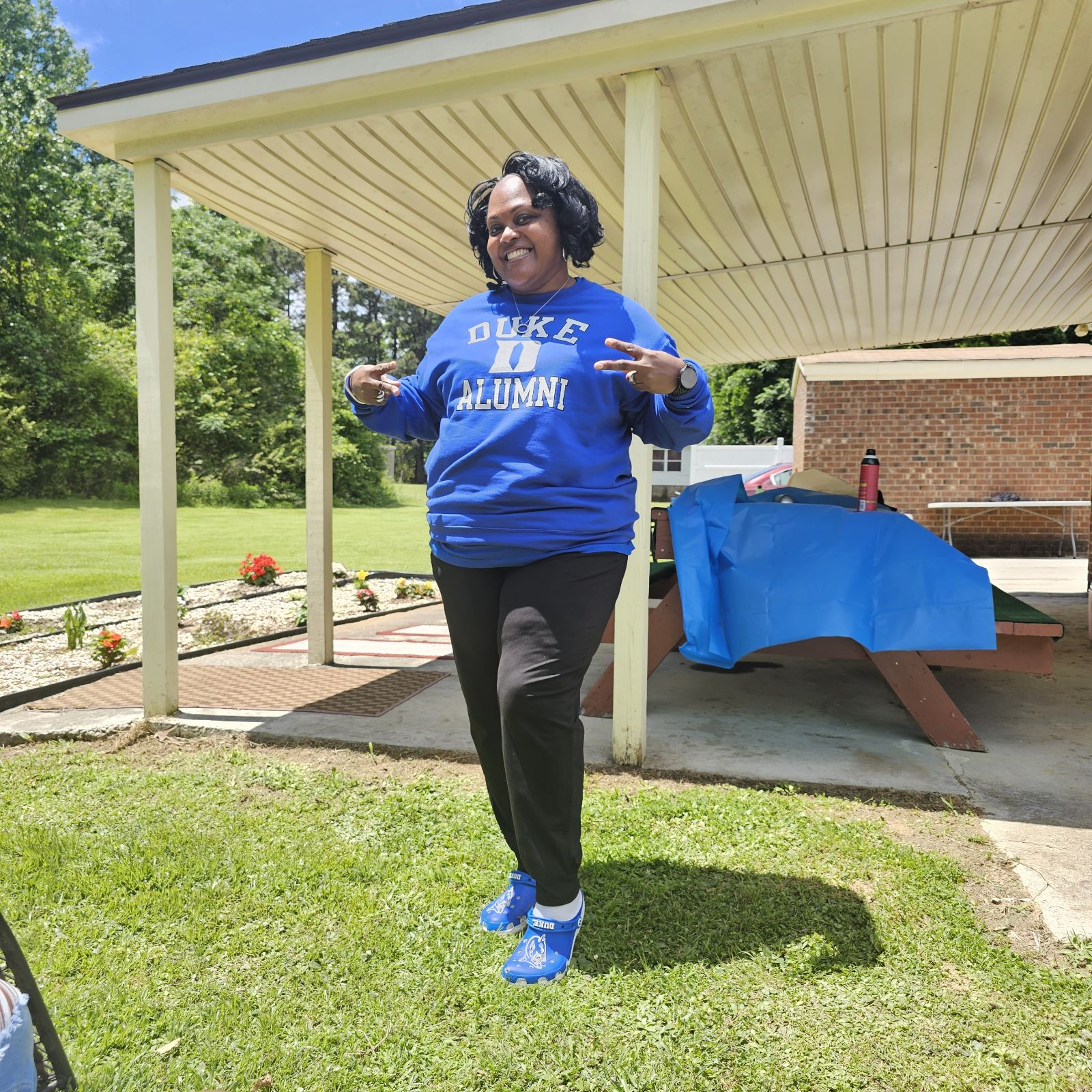
What is your current role, and what does a typical day look like for you in your work setting? How has your clinical or professional experience informed your approach as a DNP student?
I currently practice as a Hematology/Oncology Nurse Practitioner in a high-volume private practice, caring for patients across a wide spectrum of disease states in medical oncology. A typical day includes evaluating new and established patients, managing complex treatment plans, addressing symptom management, coordinating care with interdisciplinary team members, and providing ongoing education and support to patients and families navigating cancer diagnoses and therapies.
Given the demographic characteristics of the population we serve, ensuring that patients fully understand their diagnosis, treatment options, and care plans remains an ongoing challenge. This reality has reinforced my role as a patient advocate, particularly in promoting clear communication, health literacy, and shared decision-making. My clinical experience has directly informed my approach as a DNP student by heightening my awareness of gaps between intended practice and actual workflow. As a result, I am deeply focused on aligning processes with practice intentions and implementing evidence-based strategies that improve patient understanding, safety, and quality of care at the system level.
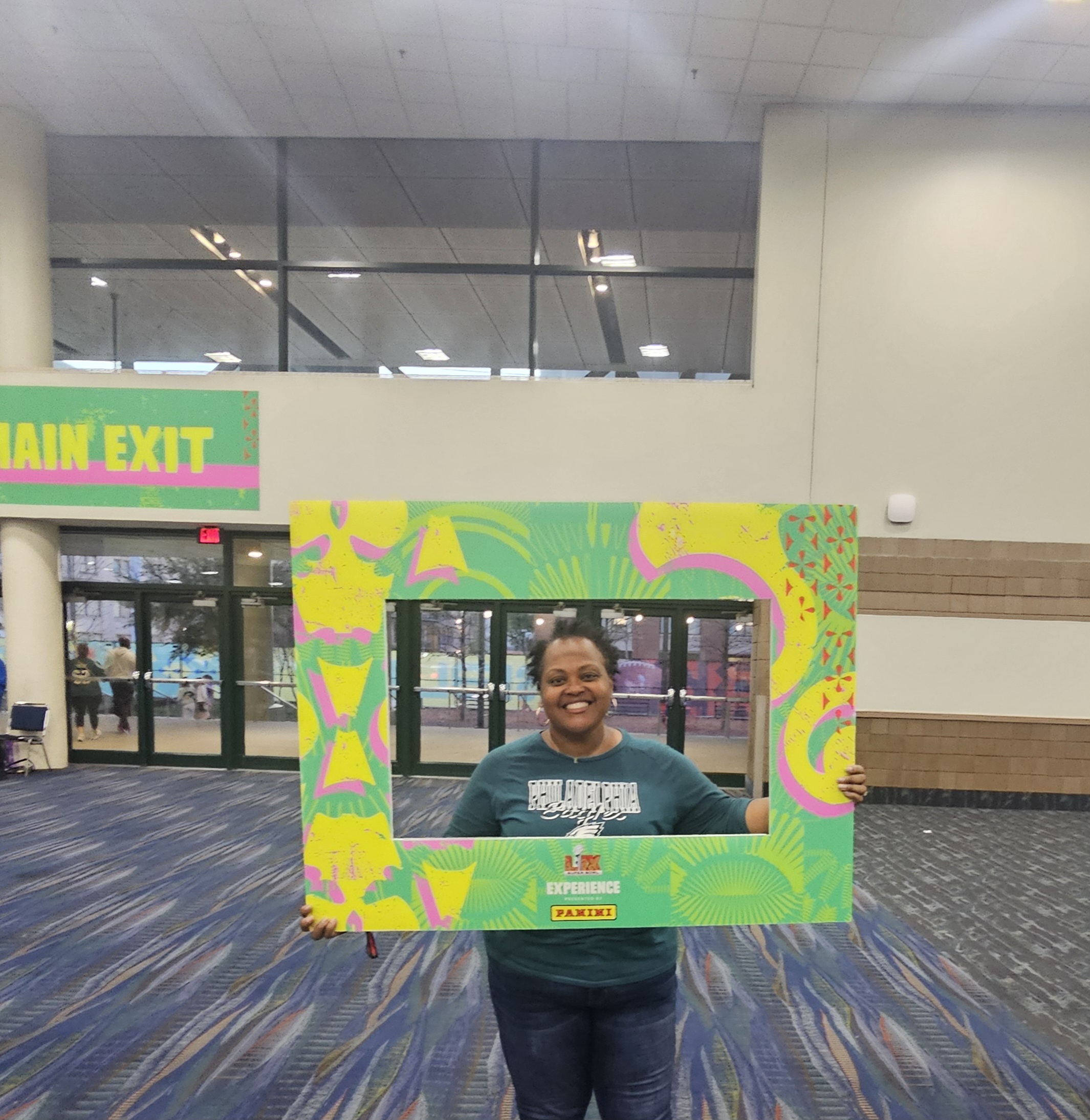
Why did you choose Duke for your DNP studies? Were there particular faculty, program features, or values that stood out to you?
I chose Duke University School of Nursing because of its longstanding reputation for excellence in healthcare education and its consistent ranking among the top DNP programs in the United States. Duke’s emphasis on clinical rigor, leadership, and evidence-based practice strongly resonated with my professional goals and values.
A defining factor in my decision was Duke’s Oncology Certificate Program. I completed the program in 2024, and it has meaningfully strengthened my clinical expertise while setting me apart in the new provider market. The program reinforced my commitment to delivering high-quality, patient-centered oncology care grounded in evidence and innovation. Ultimately, I felt that my approach to practice—centered on advocacy, quality improvement, and aligning systems with patient needs—closely aligns with Duke’s values and mission, making it the ideal environment for my DNP studies.
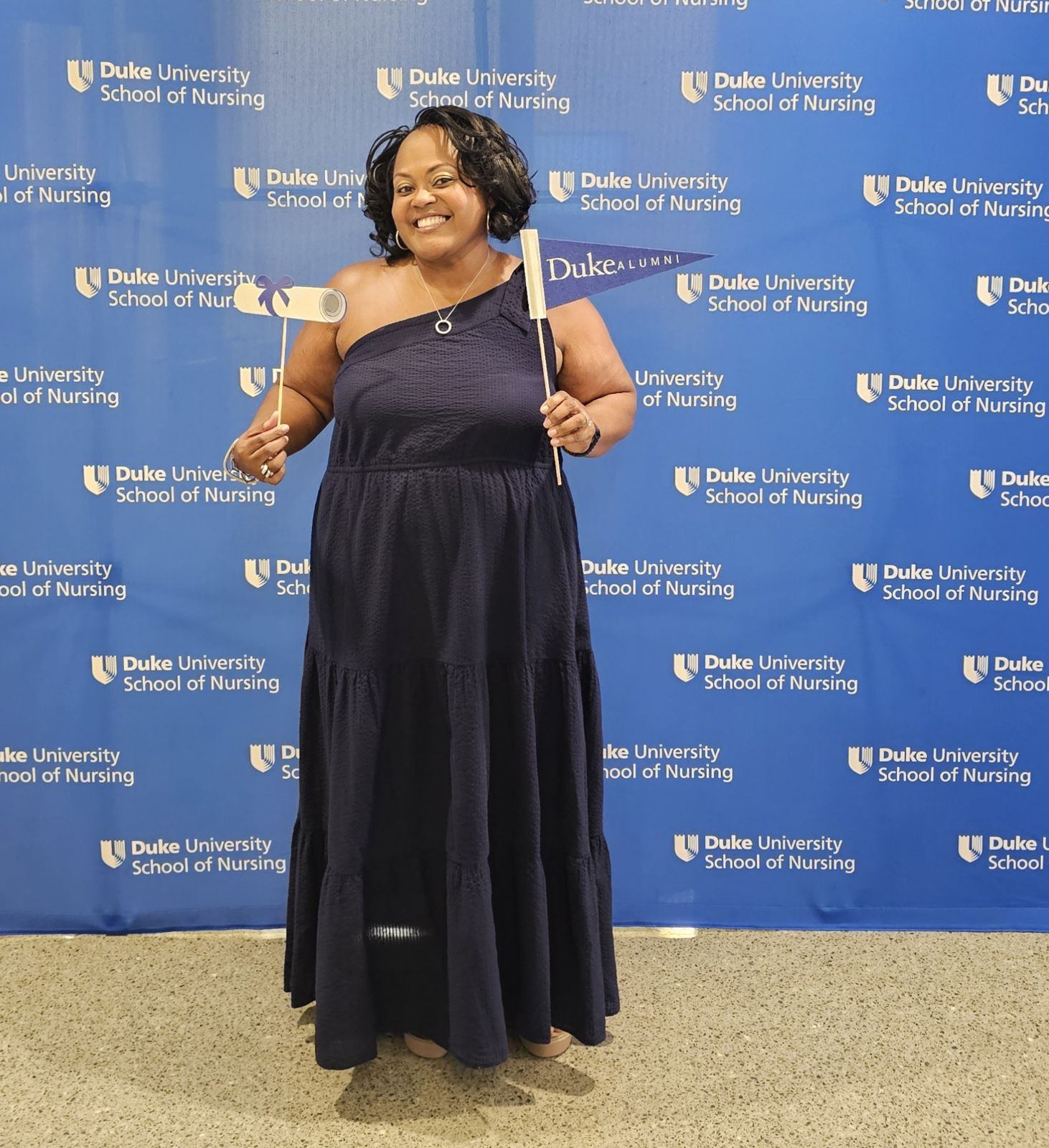
You were recently appointed to the Policy Committee of the South Carolina Oncology Society — congratulations! What does this role involve, and what impact do you hope to make through this work?
Thank you! The South Carolina Oncology Society is in the process of forming a Policy Committee to help guide the organization’s advocacy efforts and strengthen patient access to high-quality cancer care across the state. In this role, I will collaborate with other oncology professionals to help identify policy priorities, evaluate emerging legislative and regulatory issues, and address barriers that affect the delivery of cancer care in South Carolina.
Through this work, I hope to contribute a clinical perspective that reflects the real-world challenges faced by patients and providers, particularly related to access, health literacy, and care coordination. My goal is to help ensure that policy decisions are informed by frontline oncology practice and aligned with evidence-based care, ultimately improving outcomes and equity for patients with cancer across the state.
As you move forward in your DNP journey, how do you hope to use your degree to influence patient care, health systems, or policy in the future?
My goal is to leverage the degree to influence patient care beyond individual encounters by improving the systems and policies that shape oncology practice. I plan to use DNP-prepared competencies to identify gaps between evidence, workflow, and patient experience and to implement sustainable, data-driven solutions that enhance safety, access, and understanding of care.
In clinical practice, I hope to continue advancing evidence-based oncology care while prioritizing health literacy and patient advocacy, particularly for populations facing complex treatment decisions. At the health system and policy levels, I aim to contribute to initiatives that align practice intentions with operational realities and support equitable access to high-quality cancer care. Ultimately, my goal is to serve as a clinician leader who bridges bedside practice, system improvement, and policy to drive meaningful, lasting change for patients and communities.
Are there particular populations, clinical issues, or systems-level challenges you feel especially passionate about addressing as a DNP-prepared leader?
As a DNP-prepared leader, I am particularly passionate about addressing the needs of underserved, underinsured, and uninsured populations. In oncology care, these patients often face compounded barriers related to access, health literacy, care coordination, and affordability, which can directly influence outcomes and quality of life.
I am especially committed to advancing systems-level solutions that reduce inequities, improve patient understanding, and ensure that evidence-based cancer care is accessible regardless of insurance status or socioeconomic circumstance. Through clinical leadership, quality improvement, and policy advocacy, I hope to help create care models and processes that better support vulnerable populations and promote more equitable health outcomes.
Outside of work and school, how do you like to spend your time? Are there activities, hobbies, or family traditions that help you stay grounded and balanced?
I love getting lost in a really good book—I’m an avid reader, and reading is one of the ways I truly recharge. I also love to travel and have what I can only describe as a robust case of wanderlust. I go as often as I can, to as many places as I can. This is a big world, and I plan to see ALL of it.
In recent years, I’ve discovered an unexpected love for state fairs. I set out to visit the largest state fairs in the United States and have already made it to number one, the Minnesota State Fair, and number two, the State Fair of Texas. I’m planning a trip to Arizona later this fall to experience number three, the Arizona State Fair. Exploring regional foods and local traditions has been such a fun and grounding way to experience different parts of the country. I’ve managed to recruit my children and a few friends to join me on my state fair adventures. These activities—reading, traveling, and embracing new experiences help keep me balanced, curious, and energized.
Learn more about Duke's DNP program and how it can help you advance your nursing career.