Op-Ed: The Rooms We Have Yet to Enter
Drawing on her Duke DNP education and her roles in executive leadership, state regulation, and alumni service, Carmen Shaw urges nurses to move beyond traditional hospital leadership and take their perspective into the rooms where healthcare decisions are made, including policy, technology, boardrooms, and communities, so that nurses help build the table rather than just join it.
I graduated from Duke University School of Nursing's Doctor of Nursing Practice program in May 2016. At the time, I thought I was preparing for my next job, but in reality, Duke was preparing me for the next decade.
What I could not fully appreciate then was that the greatest challenge facing nursing would not be whether we had enough leaders, but whether we were willing to imagine leadership practice differently.
For generations, nursing leadership followed a familiar path: expert front-line clinician, manager, director, executive. It was a worthy path and one that built our profession. But healthcare is now being reshaped by so many things: artificial intelligence, mergers and acquisitions, workforce disruption, demographic changes, political polarization, and growing complexity across every aspect of care delivery. What’s more, decisions affecting health are increasingly being made in places where nurses have historically had little representation: regulatory boards, tech companies, legislative bodies, community organizations, venture-backed startups, and public policy forums. The question is no longer whether nurses can lead. The question is whether we are willing to lead where we have not traditionally led.
Today, I serve as a national executive nursing leader for one of the top five largest healthcare systems, helping influence professional practice, strategy, innovation, and engagement efforts that touch thousands of nurses and millions of patients and communities across multiple states. I also serve as an elected member of the North Carolina State Board of Nursing, participating in decisions that protect the public by regulating the practice of nursing. As Chair of the Duke Charlotte Regional Alumni Board, I have the privilege of helping strengthen one of the world's most influential alumni communities while investing in future leaders and our local community.
Some days those roles feel worlds apart. An executive meeting in the morning. A policy discussion in the afternoon. A community engagement event in the evening. But I have come to realize they are all expressions of the same calling. That realization has shaped my philosophy of what I call a next-generation leadership practice mindset.
Next-generation leaders do not ask, "What position do I want to hold?" They ask, "What problems am I uniquely positioned to solve?" They understand that influence matters just as much as authority. They know how to move between disciplines, translate complexity, and build trust across competing priorities. They are comfortable leading before consensus forms and learning before expertise is fully developed. Perhaps most importantly, they are willing to enter rooms where nurses have historically been absent.
Because if nurses are not shaping healthcare policy, not helping design artificial intelligence platforms, and not influencing boardroom decisions, community health priorities, and public dialogue, someone else will.
When I chose Duke, I was looking for academic excellence. What I found was something larger. My Duke education challenged me to think in systems instead of silos. To move beyond identifying problems toward implementing solutions. To understand not only evidence generation, but evidence translation. To see leadership not simply as organizational responsibility, but as societal responsibility.
The truth is that healthcare does not have a knowledge problem, but an implementation problem. We know more than we have ever known about improving outcomes, reducing disparities, and transforming care. Yet translating that knowledge into action remains one of our greatest challenges. This is where nurse leaders thrive. We are translators: we connect strategy to operations, evidence to execution, innovation to implementation, policy to practice. The healthcare profession does not simply need more experts, but more architects. Bridge builders. System designers. Policy influencers. Technology translators. Community advocates. And yes, it needs executives and chief nursing officers too. But it needs more than that.
For current students and future leaders, my hope is simple:
Do not allow anyone to define the boundaries of your leadership before you have the opportunity to discover them yourself. Serve on boards. Run for office. Build companies. Shape policy. Lead community movements. Advocate for patients you may never meet.
My challenge to our alumni nursing leaders: Use your nursing perspective in rooms that have never had the benefit of hearing it. The future of nursing will not be determined only by who leads our hospitals, but by whether nurses choose to lead everywhere else.
That may be the most important lesson Duke taught me. Not that nurses belong at the table, but that we should be helping build it.
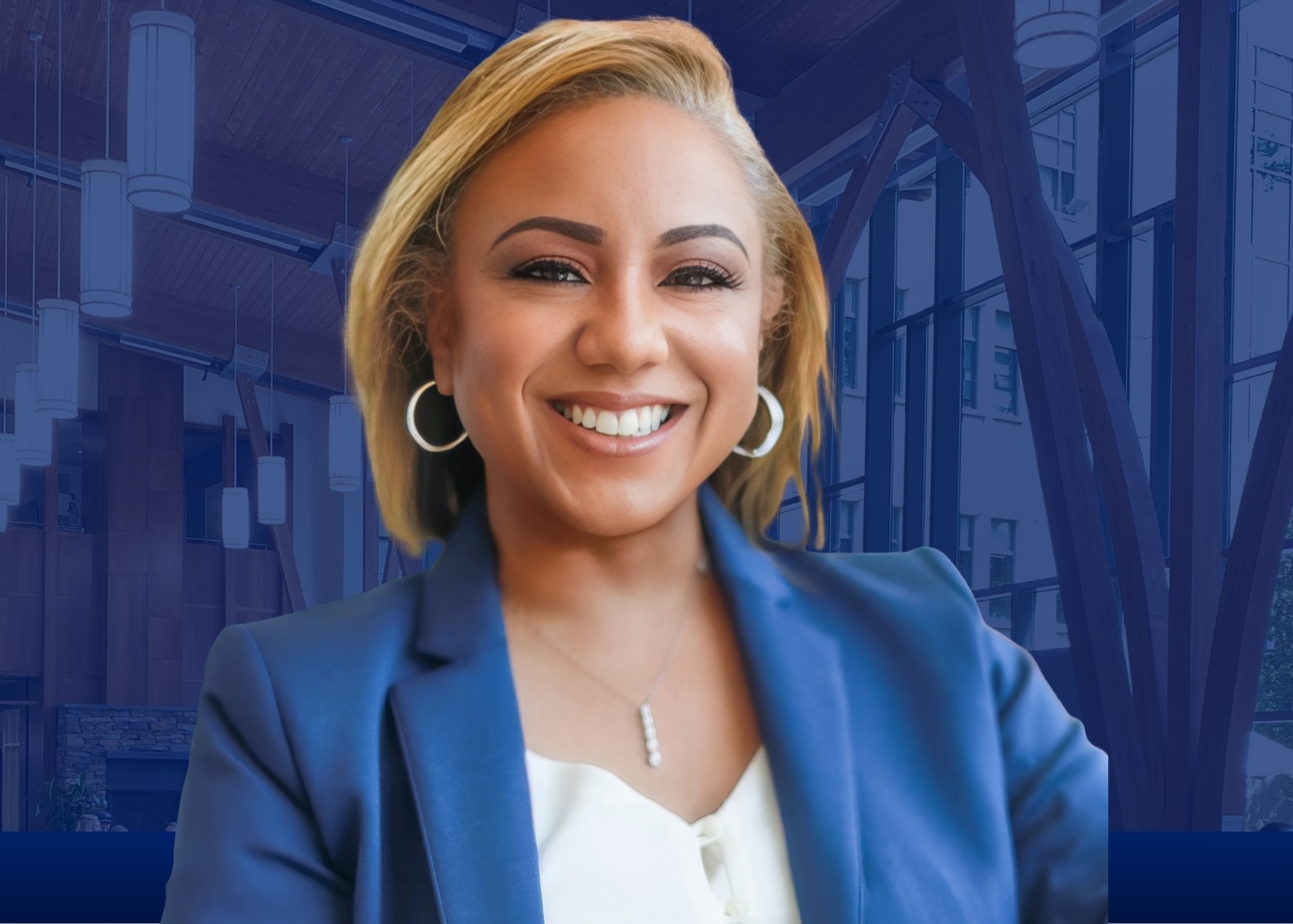
Carmen Shaw is an executive nurse leader at Advocate Health, an elected member to the NC Board of Nursing serving in the Nurse Administrator seat, chair of the Duke Charlotte Regional Alumni Board, and founder of Carmen L Shaw LLC, a professional leadership coaching and consulting firm.