Summer Skin Safety: Advice from Burn Expert Dr. Ernest Grant
Burn expert Dr. Ernest Grant offers expert advice on how people can stay safe and handle minor burns this summer, from grills and fireworks to sunburns and hot playground equipment.
Between long days in the sun, backyard grilling, and celebratory fireworks, summer brings plenty of opportunities for burns and other heat-related injuries, making it the perfect time to brush up on burn prevention and first-aid basics. Associate Professor and Vice Dean Ernest Grant, an internationally recognized burn care and fire safety expert with decades of experience in burn units, shares practical advice to help people stay safe and respond quickly if an injury occurs.
What are the most common burn risks you see associated with summer activities, and what simple steps can people take to prevent them?
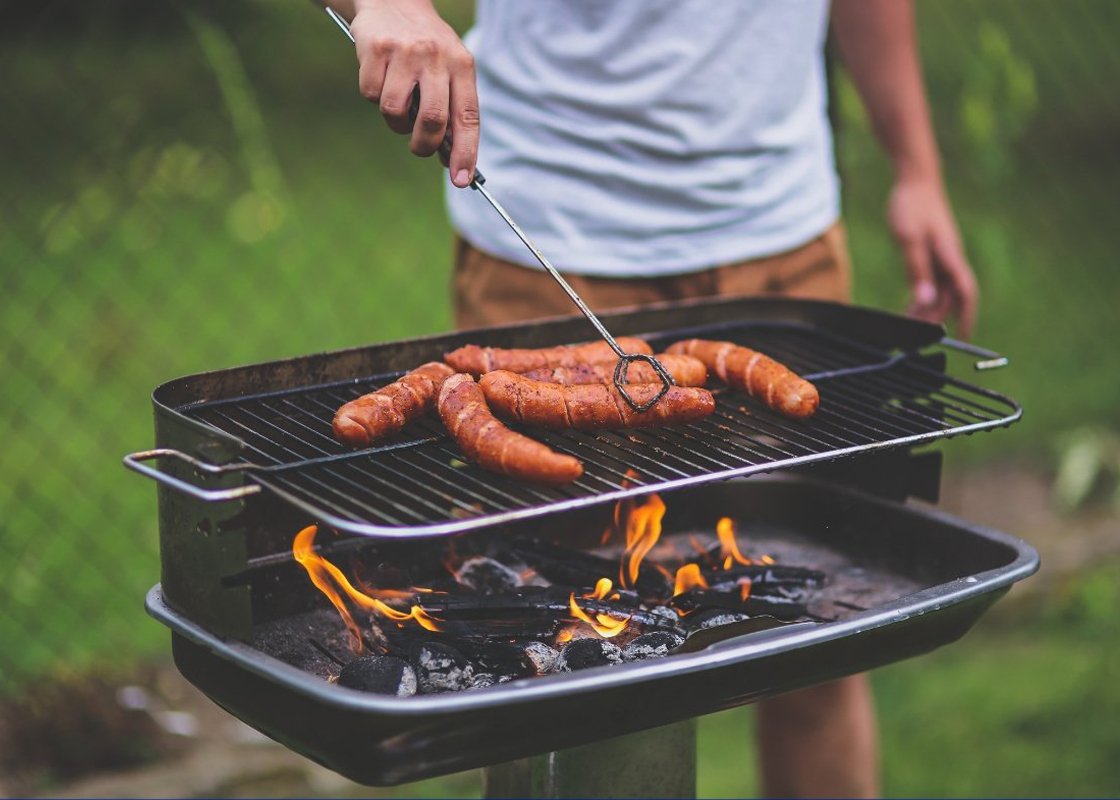
The most common burn risks that occur during the summer months are related to grilling, especially when children may be around the grill. Kids are naturally curious. They do not necessarily understand the difference between hot and cold. The best advice for parents or those operating a grill is to make sure there is a "Kid-Safe" safety zone around the grill, meaning a ten-foot area that kids are not allowed to step inside while the grill is on or until the grill has cooled down. That safety zone is also important if alcohol is being consumed around the grilling area as well.

Burns from outdoor playground equipment are another common summer related injury. Equipment such as plastic or metal slides and swings can heat up to extreme temperatures as they are exposed to the summer sun. Children sliding down metal sliding boards or sitting on metal swings may sustain a significant burn injury due to their skin being very thin. Ideally there should be signs posted to warn about hot playground equipment, but parents should be cautious during hot times.
Burns associated with fireworks are another very common injury. I strongly suggest that people attend the public fireworks displays put on by professionals. If fireworks are purchased for personal use, make sure that individuals are away from where the fireworks are being ignited. Make certain there is a functioning garden hose nearby (already turned on), especially since we're in the middle of a drought. Extremely dry grass and fields can easily ignite if the fireworks go where they shouldn’t, resulting in a brush fire that could quickly get out of hand. NEVER, NEVER attempt to relight the fuse of a firework that did not ignite initially. They can explode in your hand and potentially cause a burn injury, loss of fingers, or hand or eye injuries. Do not give sparklers to children—these can heat up to 1,400 degrees and cause significant burn injuries.
When it comes to grilling, what additional safety practices do you recommend to reduce the risk of burns?
The first thing to do is a safety check of the grill. If it is a gas grill, check the connections and the hose for leaks. This can be done by spraying soapy water along the connections and the hose—if you see bubbling occur, check the connections to ensure that they are tightly sealed, or change the hose. After a couple of failed attempts to ignite a gas grill, turn off the fuel source and wait a few moments to allow the gas to dissipate before attempting to reignite the grill. It is best to ignite a gas grill using a long stick match or long handled or extended reach lighter specifically designed for gas grills. When igniting a charcoal grill, never use gasoline or diesel fuel to ignite the charcoal. After soaking the charcoal with charcoal lighter fluid, allow a few moments before igniting the charcoal.
Sunburns are another common summer injury. What advice do you have for preventing them and recognizing when a sunburn may need medical attention?

Sunburns can be very painful and serious. Everyone, but especially people with fair skin, should apply a sunblock with an SPF of 30 or higher. Limit your exposure to the sun and remember to reapply the sunblock periodically, especially if you are swimming or have been sweating a lot. Look for signs and symptoms of sunburn or heat exhaustion, which may include very dry skin, no sweating, skin that is very red, warm, or hot to touch, and dark yellow colored urine. It should also be pointed out that people of color can also suffer sunburn injuries. The melanin, or the cells that give skin its color and protection, begins to fail at temperatures around 100 degrees F. Prolonged exposure to the sun's rays may cause burn injury for people of all ethnicities.
What basic first-aid supplies should people have on hand to treat minor burns at home?
Every household should keep a small, well-stocked first-aid kit for minor burns, along with access to clean, cool running water—the most important first step in burn care. Helpful supplies include:
- Sterile non-stick gauze or dressings to protect the burn without sticking to the wound
- Adhesive bandages in various sizes for very small burns
- Aloe vera gel or a fragrance-free moisturizing lotion to soothe minor burns after cooling
- Antibiotic ointment, such as Neosporin, for shallow burns if there is a break in the skin
- Clean scissors and medical tape to secure dressings
- Over-the-counter pain relievers, such as acetaminophen or ibuprofen, to reduce discomfort and inflammation
- Disposable gloves to help keep the area clean while treating the burn
For minor burns, the first step is always to cool the area with cool—not cold—running water until the skin returns to the temperature of unburned skin. After that, gently protect the burn with a clean non-stick dressing, and use soothing products or pain relievers as needed.
If the burn worsens, shows signs of infection, or involves a sensitive area of the body, it should be evaluated by a healthcare professional.
First Steps for Treating a Minor Burn at Home:
Cool the burn immediately
Place under cool (not cold) running water for 10–20 minutes
Avoid applying ice, which can worsen tissue injury
Gently clean the area
- Use mild soap and water if needed
Apply a soothing agent
- Aloe vera or a fragrance-free moisturizer can help
Cover the burn
- Use a sterile, non-stick dressing to protect the area
Monitor for changes
- Watch for signs of infection such as increasing redness, swelling, or drainage
When a Burn Can Be Safely Managed at Home:
A burn can usually be treated at home if it is:
- Small (generally less than 3 inches in diameter)
- Superficial or superficial partial-thickness (red, painful, possibly with small blisters)
- Not located on high-risk areas, such as the face, hands, feet, genitals, or major joints
- Not caused by electricity or chemicals
- Not worsening over time
When to Seek Medical Care or Go to the Hospital:
Seek professional evaluation immediately if the burn:
Severity and Size
- Is larger than 3 inches
- Appears deep (white, charred, leathery, or numb)
- Involves significant blistering – do not attempt to pop the blisters...that’s nature’s bandage!
Location
- Involves the face, eyes, hands, feet, genitals, or major joints
Cause
- Is due to fireworks, electrical sources, or chemicals
- Results from explosions or high-intensity heat exposure
- Symptoms and Complications
- Shows signs of infection (increasing pain, redness, swelling, pus, fever)
- Is associated with difficulty breathing (possible inhalation injury)
- Causes severe pain that is not controlled with over-the-counter medication
Special Populations
- Occurs in young children, older adults, or individuals with chronic health conditions or disabilities