A Community Partnership to Support Construction Workers’ Mental Health
Duke Nursing Professor Rosa Gonzalez-Guarda is partnering with Durham community nonprofit El Futuro to support the mental health and well-being of construction workers.
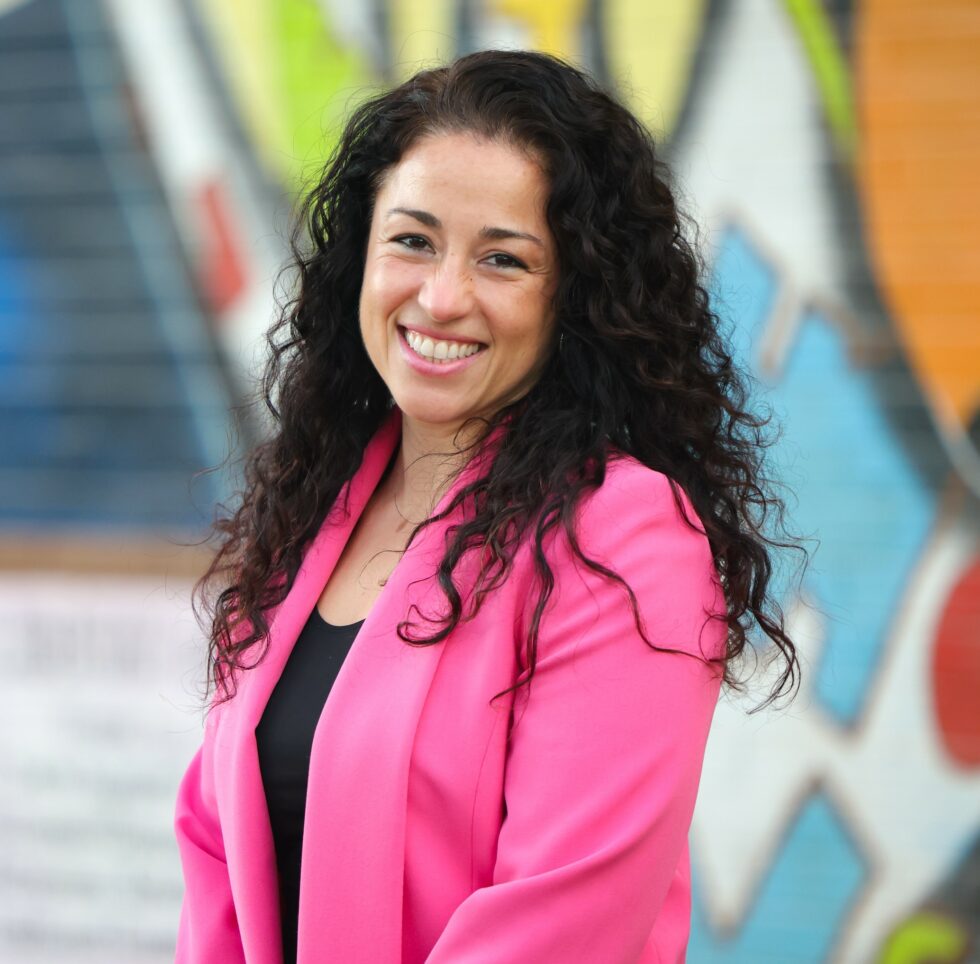
Duke University School of Nursing Professor Rosa Gonzalez-Guarda, PhD, MPH, RN, FAAN, has been working for several years with El Futuro, a community-based organization in Durham that provides mental health care to Spanish-speaking, uninsured populations.
“El Futuro is an amazing organization, and I've benefited so much from working with them in terms of my own well-being, optimism, and feeling in community,” said Dr. Gonzalez-Guarda.
Now, Dr. Gonzalez-Guarda and El Futuro are tackling a new project together: mental health in the construction industry, which is 30% Latino, according to the U.S. Bureau of Labor Statistics. Their goal is to work with Branch Construction in North Carolina to raise funds and then identify and test interventions that would address mental health, substance use, and suicide prevention in the construction industry.
Unique Risk Factors for Construction Workers
In a recent article published in JAMA Health Forum, Dr. Gonzalez-Guarda and El Futuro’s Luke Smith and Molly Hayes noted that “64% of US construction workers reported experiencing anxiety or depression in the previous 12 months," and that the industry’s drug overdose death rates were “approximately 7 times higher than the general population.” They also noted that “male construction workers die by suicide at twice the rate of the general population.”
“There are a lot of unique risk factors for mental health in the construction industry,” Dr. Gonzalez-Guarda explained. “It’s a male-dominated profession that really fosters toughness, or ‘machismo,’ as it’s known in the Latino community. It can make it hard for people to share suffering and admit that they need help with a problem.”
It can make it hard for people to share suffering and admit that they need help with a problem.
“Plus, there are really difficult working conditions with tight deadlines, which can interfere with people being able to spend time with their family,” she added. “And because of the physical demands of the job, there might be physical pain that requires opioids, and the downstream effect might be a substance use issue."
Dr. Gonzalez-Guarda said she hopes to leverage her training as a public health nurse to research these multiple conditions—mental health, substance use, and suicide—in a holistic way, so that she can help develop programs that address them in unison.
Project Stages for Addressing Construction Worker Needs
While the collaboration is still in its initial planning stages, Dr. Gonzalez-Guarda provided an overview of how the project addressing mental health, substance use, and suicide among construction workers might progress.
“The first phase will be for us to build a consortium and to learn what is needed while also implementing what we know works,” said Dr. Gonzalez-Guarda.
Members of this consortium will include Duke Nursing Associate Professor Marissa Abram, PhD, PMHNP-BC, CARN-AP, FIAAN, for her expertise in substance use. It will also include the Suicide Prevention Institute at the University of North Carolina at Chapel Hill, which has offered to leverage their state-wide network and reach. The bulk of the work will begin after a fundraiser led by Branch Construction, anticipated to take place in Spring 2027.
“If we secure additional funding, the second phase is where we're going to be testing multi-level strategies, from policy changes that shape the work environment to leaders being more aware of what mental illness is, who is most at risk, and what to do about it,” said Dr. Gonzalez-Guarda. “And then the third phase is more about making sure that everyone—from big companies to mom-and-pop subcontractors—are benefiting from the new interventions that we're testing.”
A Long Partnership Grounded in Optimism and “Cultural Wealth”
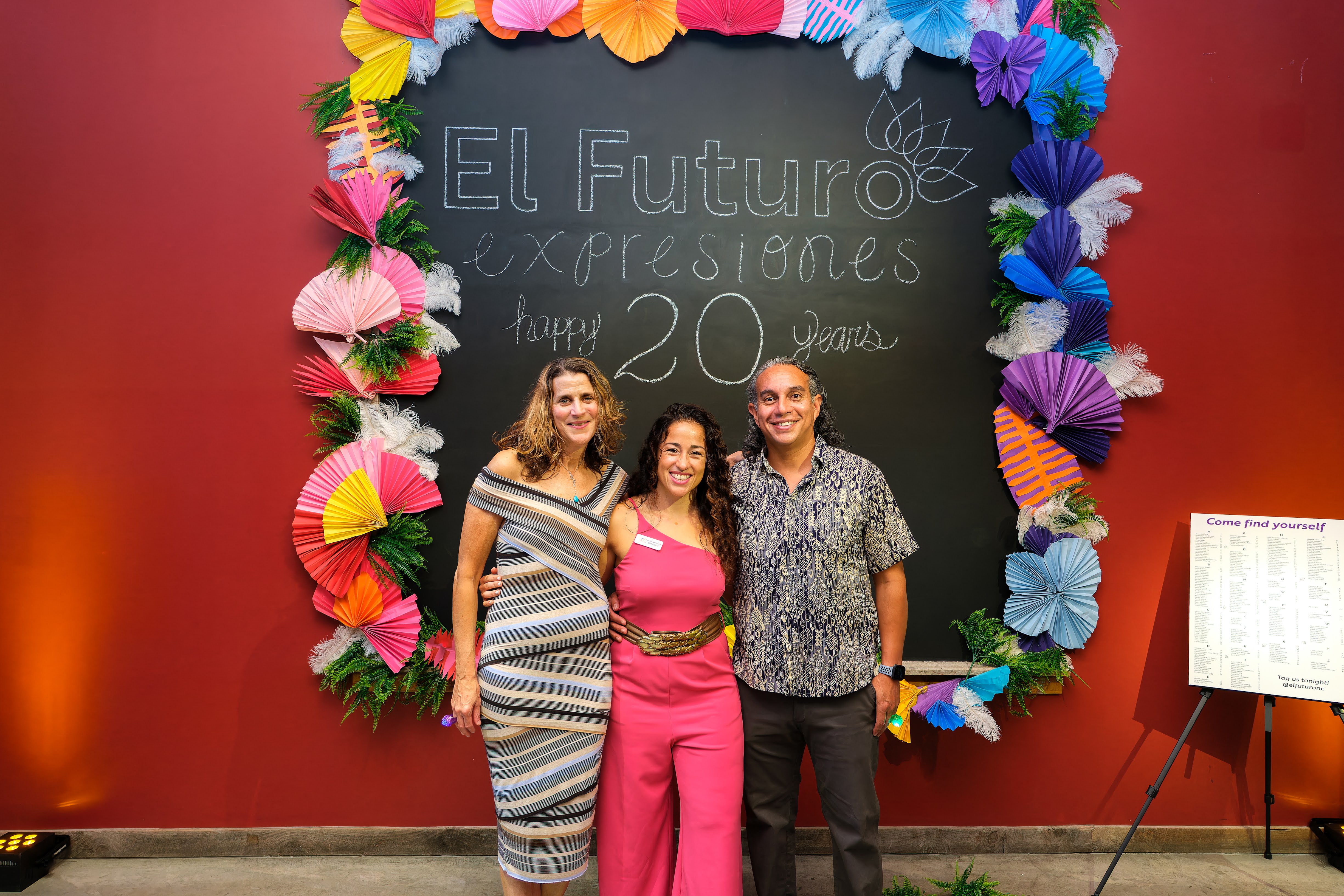
The project aimed at supporting construction workers is the latest in a series of collaborations between El Futuro and Dr. Gonzalez-Guarda, who said the partnership has been both professionally and personally rewarding.
“I came to Duke 10 years ago. And when I first got here, I came with the intention of doing more work with the Latino immigrant community,” said Dr. Gonzalez-Guarda. “Community-engaged partnerships have always been really central to the work that I do.”
Dr. Gonzalez-Guarda's first R01 grant at Duke was a longitudinal study on stress and resilience among Latino immigrants. She received a supplement to support then post-doctoral fellow, Dr. Gabriela Nagy, and learn more from providers working to address mental health, beginning her partnership with El Futuro around 2019 after meeting over “cafecitos” with executive director Luke Smith. Shortly after, El Futuro invited her to join their Board of Directors, where she has served for the past six years.
Dr. Gonzalez-Guarda says El Futuro does more than provide direct clinical care to families.
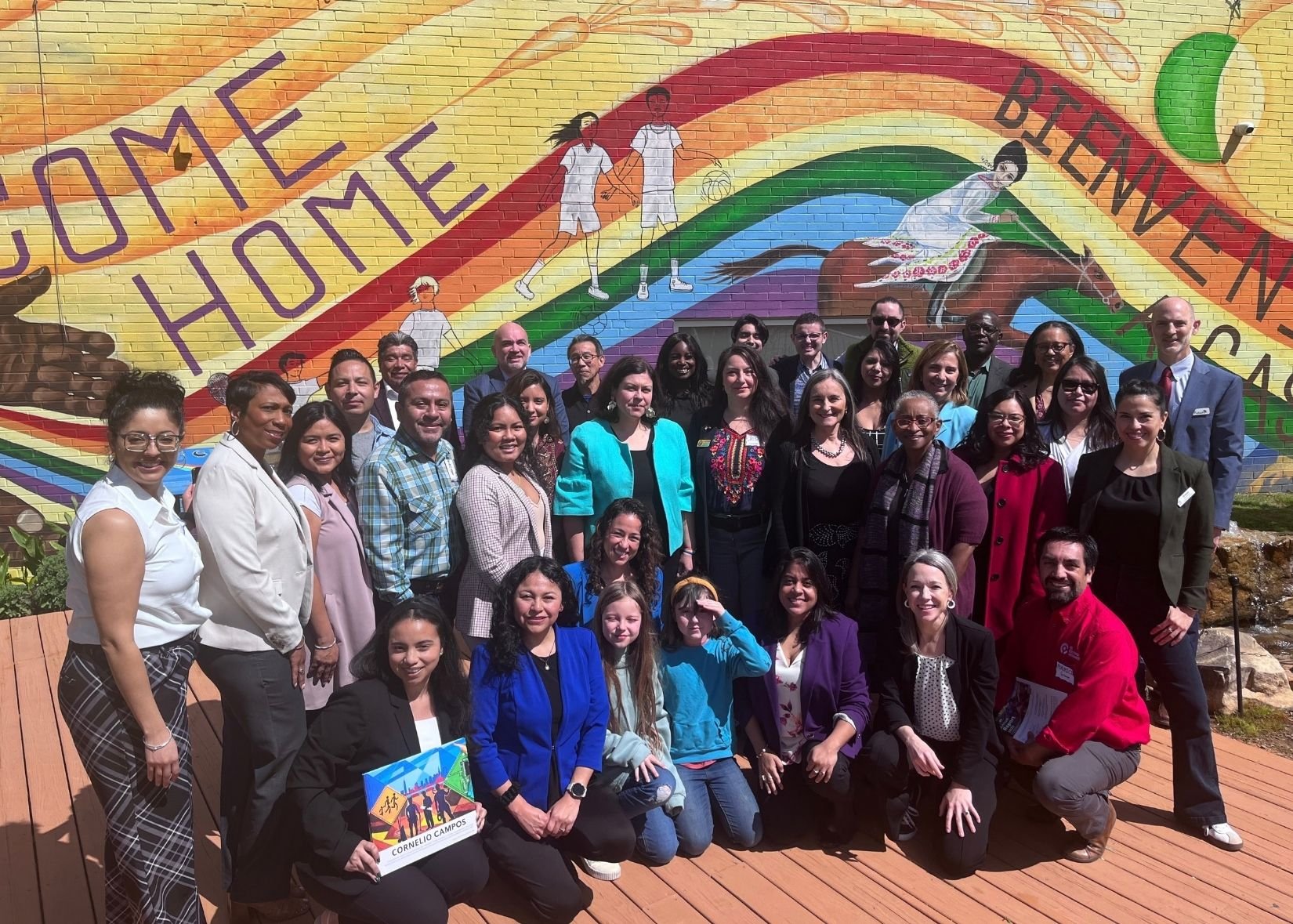
“Over the years, they’ve integrated more up-stream programming like community health workers to do work in the community,” said Dr. Gonzalez-Guarda. “They have used participatory methods to co-create a mural and green space that changed a strip mall into a welcoming beacon of hope, and they're hosting events to promote cultural pride for families and youth.” Alongside Allison Stafford, PhD, RN, Associate Professor at Duke University School of Nursing, Dr. Gonzalez-Guarda and El Futuro are working to partner with Latino youth across the state, including in rural settings, to address mental health across the prevention spectrum.

“What I underestimated when I first started was how much I personally needed El Futuro, too, in the sense of being in a place that is very culturally affirming and reflective of my values and background,” Dr. Gonzalez-Guarda continued. “When I'm there, I can breathe a little better.”
In that same vein, Dr. Gonzalez-Guarda has started taking her PhD students on tours of El Futuro.
“I realized that, with us talking so much about health disparities and health inequities in class, the students started to feel defeated,” said Dr. Gonzalez-Guarda. “So now I take them to El Futuro so they can see an organization that is addressing inequities from a strength-based perspective, with so much cultural wealth and wealth of relationships. It gives optimism to the students by showing them a brick-and-mortar example of what is possible.”