Turning Frustration into Innovation
In this Q&A, Tiffany Kelley explains how her Duke education gave her the grit to lead change and how frustration with inefficiencies in nursing care drove her into innovation. She urges nurses and students to see themselves as innovators and to pursue solutions rather than only voicing problems.
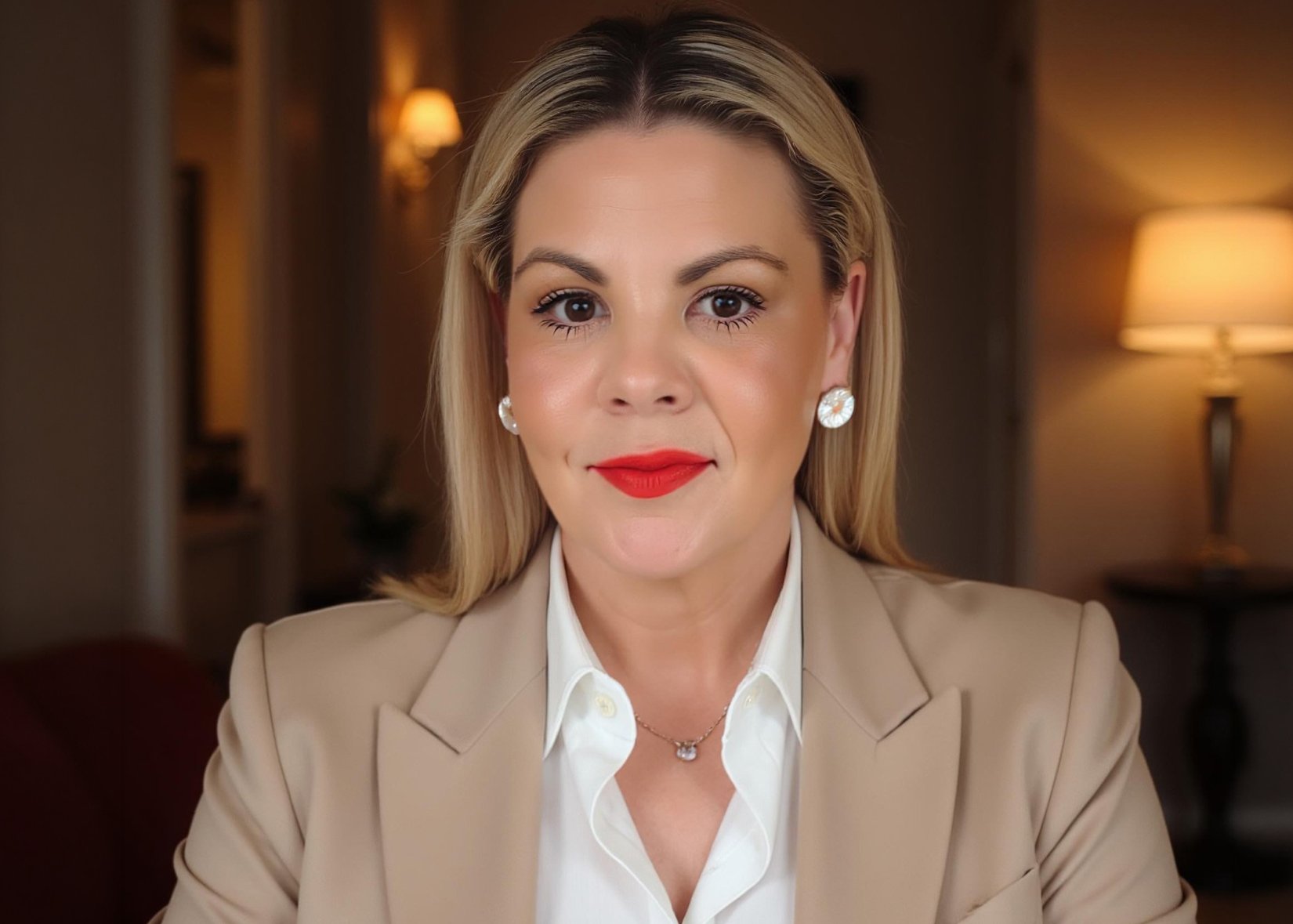
Tiffany Kelley, PhD’12, MBA, RN, NI-BC, FNAP, FAAN, is a Professor in Residence at the Elisabeth DeLuca School of Nursing, University of Connecticut, and Co-Director of the school’s Nursing and Engineering Innovation Center. In addition to her academic work, Dr. Kelley is the Founder and CEO of Nightingale Apps and iCare Nursing Solutions.
How has your Duke Nursing education shaped the way you lead today?
The years I spent at Duke as a PhD student challenged me daily to strive for excellence. The bar was set very high from the start, and I had to look within myself not only to meet those expectations, but to strive to excel beyond them. Looking back, the word that describes that personal and professional development is “grit.”
Duke challenges everyone to reach their full potential. In leadership, that has prepared me to cast a bold vision for what is possible and put it out into the universe, even when it initially seems unattainable. Creating impactful change is always met with resistance. You need to move regardless of the audience’s perspective, and when momentum builds, others begin to see how they can be part of it too.
What inspired your career in nursing innovation?
I never initially sought to build a career focused on nursing innovation. I could not wait to be a nurse in the hospital taking care of children. But quickly in my career, I saw inefficiencies in the process of trying to deliver care. I was always interrupted, missing something, or needing to find someone or something to get to the next step with a patient. It drove me crazy.
That led me to want to understand healthcare from a business perspective: How do we help nurses give the care they want to give and eliminate the wasted energy and time spent searching for IV poles, wheelchairs, pumps, medications, and other resources? What may seem trivial adds up in minutes and takes away from patient care.
While pursuing my MBA, I serendipitously began specializing in informatics and health IT. I had no technology background, but I knew how care was delivered as a nurse. That experience ultimately brought me to Duke, where my dissertation explored whether electronic health record systems were truly driving higher quality care.
What does leadership look like at the intersection of nursing, technology, and innovation?
I could not imagine attempting to lead in nursing without integrating technology and innovation into both day-to-day operations and strategic planning. For students, that means assimilating experiences with engineering students as an expected practice when developing new technologies. It extends into idea development, prototyping, grant writing, pitching, and entrepreneurial pursuits.
My leadership style is to put the discovery role on the student, faculty member, or team. Innovation is a creative process. We all have ideas, but I believe we gravitate toward problems that frustrate us to the point of pursuing a solution. My role is to help people keep going and move through innovation toward an intrapreneurial or entrepreneurial solution.
How do you encourage nurses and students to see themselves as innovators?
I often ask, “Who can be an innovator?” The first few times I did this, I rarely heard, “We can.” I heard engineers, software engineers, CEOs, and other roles that were not in the audience. I would probe further until I got the answer I was looking for: “We can.”
If nurses and students do not believe they can be innovators and leaders in healthcare, the journey becomes incredibly difficult. The first step is turning that switch from off to on. Once that mindset shifts, they can focus on learning the science of innovation—the theories, principles, and methodologies. It takes time, but the time will pass anyway. Why not spend it on something meaningful?
What advice would you offer Duke Nursing alumni or students who want to lead change?
My pursuits are driven by curiosity and the belief that we do not need to accept things as they are, especially if they are broken. Everyone knows when there is a problem that needs a solution. We feel it and often complain about it. But many stop there. Vocalizing the problem can bring awareness, but it will not solve it.
Take that energy and consider what an ideal solution would be. Become comfortable hearing no, but keep going anyway. Find another way, another door, another person, another approach, or another opportunity that can get you to the next step. Innovation in healthcare always involves multiple stakeholders, but history gives us countless examples that change is possible. Reflect on those examples and keep moving forward.