Patricia Buzelli on the Importance of Community-Engaged Research
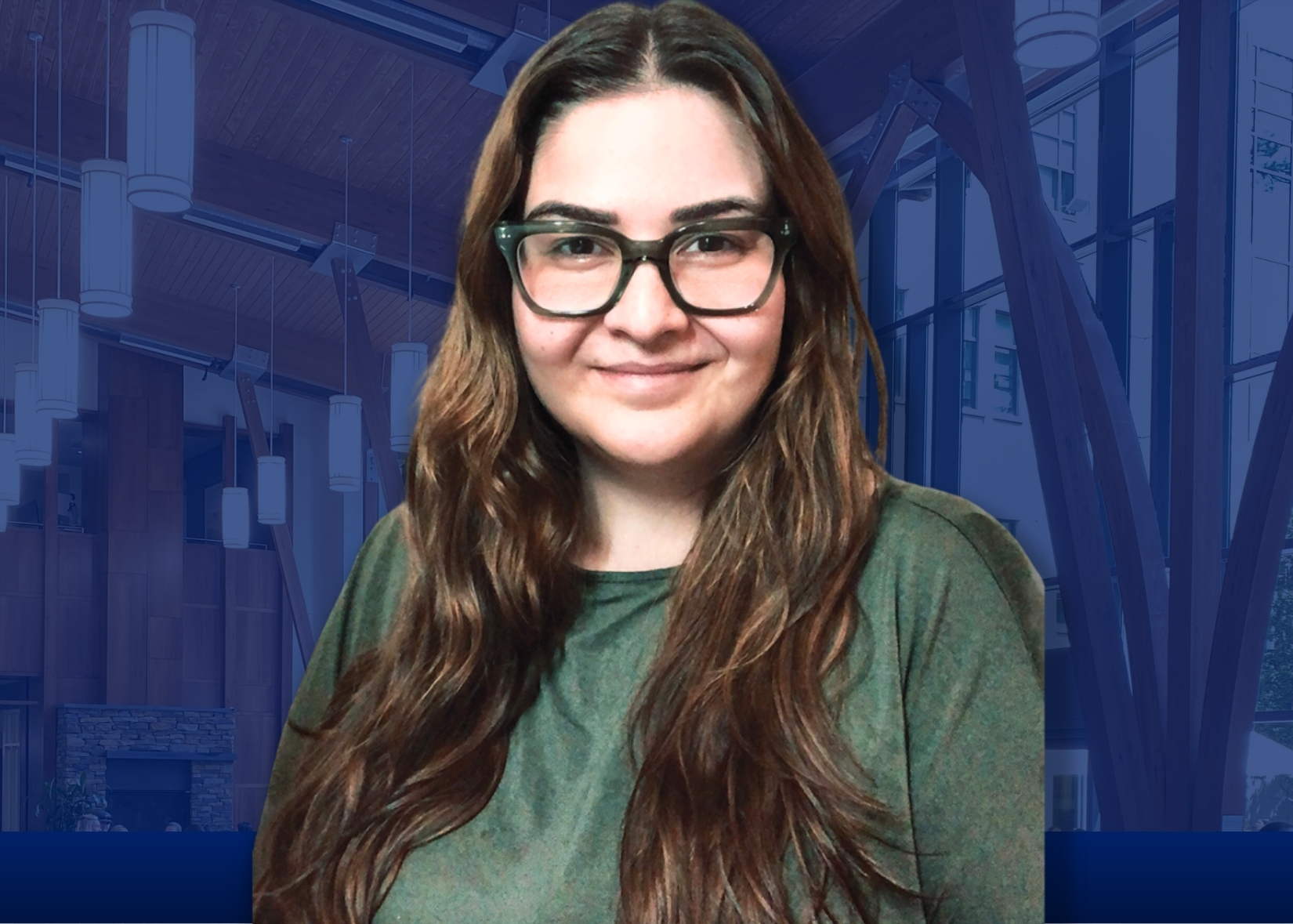
Patricia G. Buzelli, MSN, BA, AGNP-C, is a current PhD student and recipient of Duke University's Dean's Graduate Fellowship. Buzelli has a research interest in improving care for Latino immigrant families living through the loss of a child to cancer, focusing on asset framing and resiliency. Originally from São Paulo, Brazil, Buzelli has used her lived experiences to guide her academic and clinical pursuits over the last decade.
“To me, engaging community members is so important because the research that I do and the questions that I ask within my research always revolve around a particular community and their context. It feels incomplete and potentially harmful to not include the people of the communities that my research revolves around, because they are ultimately the experts of their world, and in turn my work. In other words, who else knows the setting, people, places, context, and details that fundamentally shape my work if my work is (or lives within) their community?
Engaging the community brings a perspective to our work that we as researchers are often missing, and with that new perspective comes more depth to the questions we are asking, the constructs we are including, and the approach we are taking, all of which enriches the work and often makes it more impactful to the community. Community engagement in my own research as well as the projects I’ve been part of, such as the gun violence prevention project, have given me the language, tools, experiences, and collaborations to meaningfully challenge dominant narratives about grief among minoritized populations and rewrite the script on how knowledge is generated and what is considered “truth” when we talk about how people respond to the death a child in this unique context of being Latino in the US.
—Patricia Buzelli
More practically, I have felt that it is because of my community engagement throughout my dissertation, but especially in the design phase, that I’ve been able to successfully complete emotionally charged projects with bereaved Latino caregivers successfully and with really positive feedback from those caregivers who have shared their gratitude to have been asked specific questions they feel are important to think about but no one else has asked them, and to have an affirming space to talk about their child. Ultimately, engaging Latino bereaved families throughout my career has brought a level of depth, understanding, and innovation to my work that I wouldn’t have achieved otherwise and is something I will do forever.”