Updated Program Prepares Nurse Executives to Lead in Healthcare
The School of Nursing’s Executive Leadership program gains two Co-Directors and a new curriculum to better prepare nurse executives for challenges in the healthcare landscape.

At Duke University School of Nursing, the Executive Leadership program has undergone updates that will serve a broader range of seasoned nurse executives seeking to acquire advanced knowledge and skills in healthcare leadership.
The Executive Leadership program, open exclusively to senior nurse executives who have been working for five to seven years in an executive role, comes with two format options: a Doctor of Nursing Practice (DNP) degree or a one-year, post-DNP specialty.
The Executive Leadership program was originally headed by a single Program Director, Barbara Turner, PhD, RN, FAAN, Elizabeth P. Hanes Distinguished Professor of Nursing and Vice Dean for Faculty Affairs and Development at the School of Nursing.
Dr. Turner now serves as Academic Program Director and is joined by two Co-Directors: Terry McDonnell, DNP, RN, ACNP-BC, Chief Nursing Executive and Senior Vice President at Duke University Health System and Vice Dean for Clinical Affairs at the Duke University School of Nursing, and Margarita de la Fuente, DNP, RN, RN-BC, NE-BC, Assistant Vice President of Practice, Quality, Education, and Magnet at Duke University Health System.
Together, this team will strengthen the Executive Leadership program’s connection to real-world leadership challenges that nurses face in today’s complex healthcare landscape.
Reflecting a Broader Spectrum of Nurse Executives

According to Dr. Turner, the Executive Leadership program was originally developed with insights from a Duke University School of Nursing retreat attended by nurse executives, primarily Chief Nursing Officers.
With takeaways from the retreat informing its content, the Executive Leadership program began admitting students in 2016 and aimed to prepare graduates for positions in healthcare organizations. However, the program has since been modified to fit the needs of current and prospective students.
“As the program progressed, we had interest from nurses overseeing multiple outpatient care settings, as well as nurses from the private sector, professional organizations, and start-up companies,” said Dr. Turner. “We then realized that the content we had been teaching was not encompassing the needs of nurses across this full spectrum.”
As a result, the curriculum has been revised to reflect the broader array of nurse executives pursuing work in a variety of settings.
Preparing Leaders for Emerging Trends in Healthcare
The Executive Leadership program continues to evolve, just as the healthcare landscape as a whole transforms, posing new opportunities and challenges.
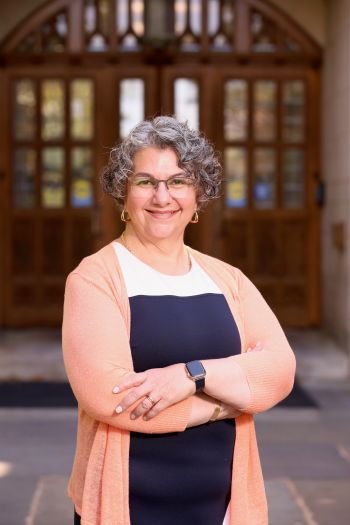
Dr. Terry McDonnell said that she and her Co-Director, Dr. Margarita de la Fuente, can help tie the program’s curriculum to the real world, using their day-to-day experiences in the Duke University Health System to bridge content gaps for students.
“The healthcare landscape is rapidly changing from a number of perspectives, and having leaders who are facing those challenges daily will help prepare students for future roles and the changing dynamics within their own positions,” said Dr. McDonnell.
With healthcare systems promising continued transformation, Dr. McDonnell emphasized the importance of preparing nurse leaders for whatever may come.
“As change is becoming less a choice and more an imperative for sustainability, proficiency in change management, strategic growth, model of care transformation, and strategic tech innovation are core competencies that will be covered and applied against real organizational scenarios,” said Dr. McDonnell. “We anticipate that learners will be able to apply learned principles in their organizations and bring their challenges to discussion for shared problem solving.”
Teaching Workforce Resilience and Adaptability
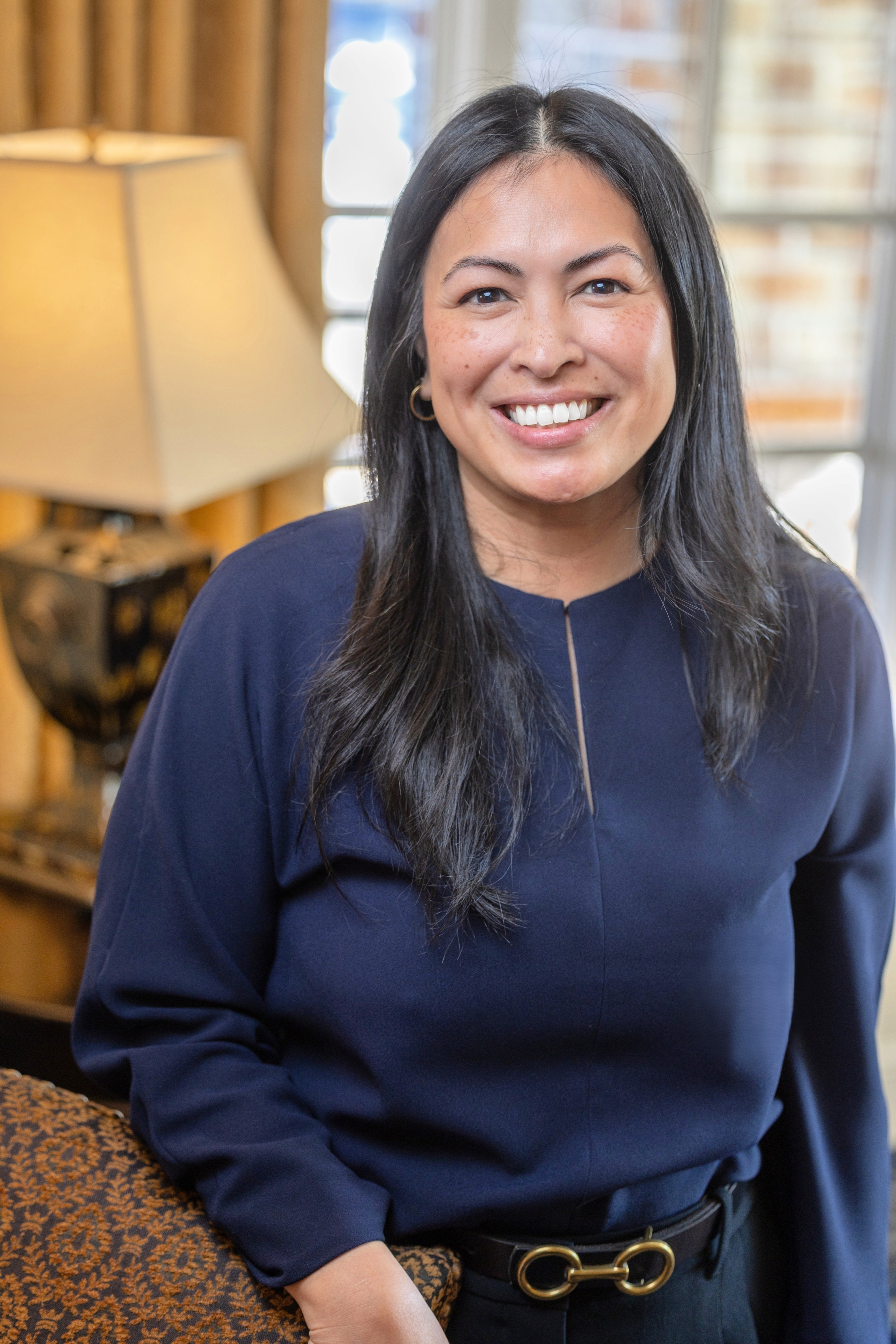
Dr. De la Fuente, who completed her own DNP at Duke University School of Nursing, similarly emphasized the importance of bridging the gap between leadership theory and practice, adding “workforce resilience” as a key discussion topic. Her goal is that students can immediately apply program concepts to their daily leadership work.
“We are also thinking more broadly about how we can prepare nurses to serve in executive roles in different industries versus the traditional model of acute care leadership,” said Dr. de la Fuente.
With her current professional role focusing on advancing patient safety, healthcare quality, and professional practice standards, Dr. de la Fuente has faced her share of challenges that have taught her the value of adaptability, which she hopes to impart to students.
“In my own leadership journey, I have experienced natural disasters, pandemics, restructuring, and reorganizations,” said Dr. de la Fuente. “This program will help support the next frontier by developing adaptive leaders that can lead through those challenges and then some.”
“In this ever-evolving healthcare landscape, nurse leaders not only need to focus on operational competence but also need to have a strategic lens while utilizing emotional intelligence and change leadership skills to lead daily operations and prepare for the future.”