Which Nurse Practitioner Major Is Right for You? A Guide for RNs Considering Advanced Practice
Explore Duke University School of Nursing’s Master of Science in Nursing Nurse Practitioner programs and compare eight NP majors, including Family NP, Neonatal NP, and Psychiatric NP. Learn about populations served, practice settings, and career paths to find the right NP specialty for your goals.
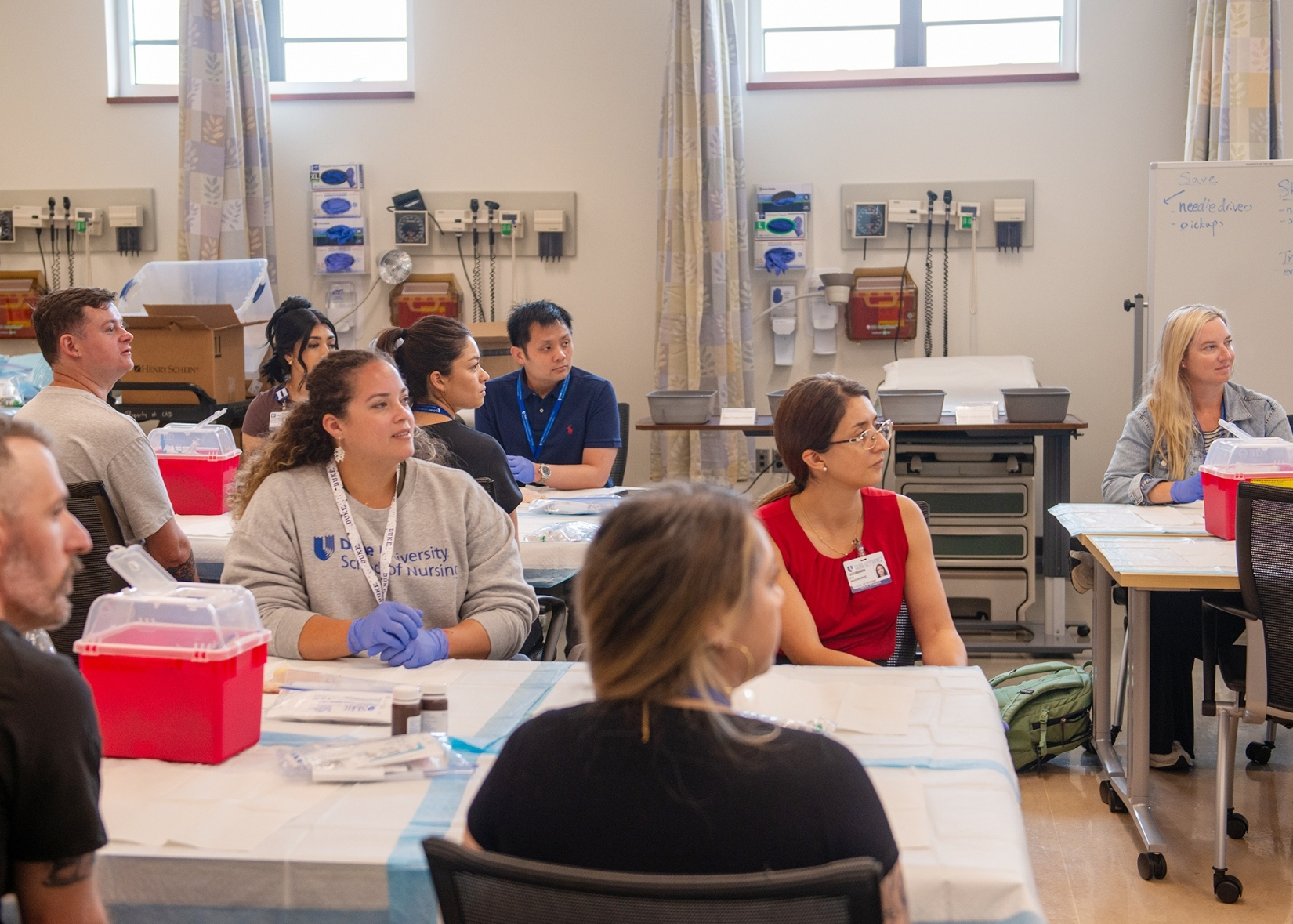
If you’re a registered nurse (RN) ready to advance your career, becoming a nurse practitioner (NP) can open doors to specialized practice, leadership roles, and greater autonomy. But there are many NP majors available, with many factors impacting which one best aligns with your goals. At Duke University School of Nursing, our Master of Science in Nursing degree (MSN) offers eight distinct NP tracks, each designed to prepare nurses for specific populations and practice settings. This brief guide will help you understand your options and make an informed decision.
Who Will You Serve? Understanding Nurse Practitioner Populations
One of the most important factors in choosing your Master of Science in Nursing Nurse Practitioner major is deciding which patient population you want to care for. Each NP specialty is designed to prepare you for advanced practice in a specific area, from primary care to highly specialized acute care settings. At Duke, our NP programs give you the flexibility to align your career goals with your passion for patient care. Whether you envision yourself supporting families across generations, providing mental health services, or caring for the most vulnerable newborns, your choice of NP major will shape your clinical expertise and future opportunities. Below are the eight NP majors offered in Duke’s Master of Science in Nursing degree program:
- Adult-Gerontology NP – Acute Care: Late adolescence to older adults with critical or complex conditions
- Adult-Gerontology NP – Primary Care: Late adolescence to older adults with needs for health promotion, disease prevention, and health guidance and coaching
- Family Nurse Practitioner (FNP): Patients of all ages—from infants to older adults with needs for health promotion, disease prevention, and health guidance and coaching
- Neonatal Nurse Practitioner (NNP): Providing advanced care to premature, ill, and high-risk newborns, ranging from birth up to age two, especially those in neonatal intensive care
- Pediatric NP – Acute Care: Children with critical or complex health issues
- Pediatric NP – Primary Care: Routine care for children and adolescents with needs for health promotion, disease prevention, and health guidance and coaching
- Psychiatric Mental Health NP: Treating mental health conditions and substance use disorders across the lifespan
- Women’s Health NP: Comprehensive healthcare for females from puberty through their lifespan, encompassing gynecologic, sexual, obstetric, and primary care.
Flexibility vs. Specialization: What’s Your Preference?
Your choice of Nurse Practitioner major depends on whether you want a broad scope of practice or deep specialization.
- Broad flexibility: Family NP and Psychiatric Mental Health NP allow you to work with diverse age groups and conditions.
- Focused expertise: Neonatal NP, Women’s Health NP, and Acute Care NPs prepare you for highly specialized roles in specific clinical environments.
Practice Settings: Where Will You Work with Your Nurse Practitioner Credentials?
Different Nurse Practitioner majors lead to different work environments:
- Primary Care NPs often work in clinics, private practices, schools, and community health centers.
- Acute Care NPs are found in hospitals, ICUs, specialty units, and specialty care clinics.
- Psychiatric NPs practice in mental health clinics, inpatient units, and integrated care settings.
- Women’s Health NPs work in OB/GYN clinics, reproductive health centers, and prenatal care settings.
Clinical Challenges: What Will You Handle?
Each Nurse Practitioner major prepares you for unique clinical scenarios:
- Acute Care NPs manage life-threatening conditions and perform procedures in fast-paced environments.
- Primary Care NPs focus on prevention, chronic disease management, and long-term care.
- Psychiatric NPs diagnose and treat mental health conditions using therapy and medication.
- Neonatal and Pediatric Acute Care NPs make high-stakes decisions for vulnerable populations.
- Women’s Health NPs address reproductive health, prenatal care, and gender-specific conditions.
Comparison of Nurse Practitioner Majors at Duke
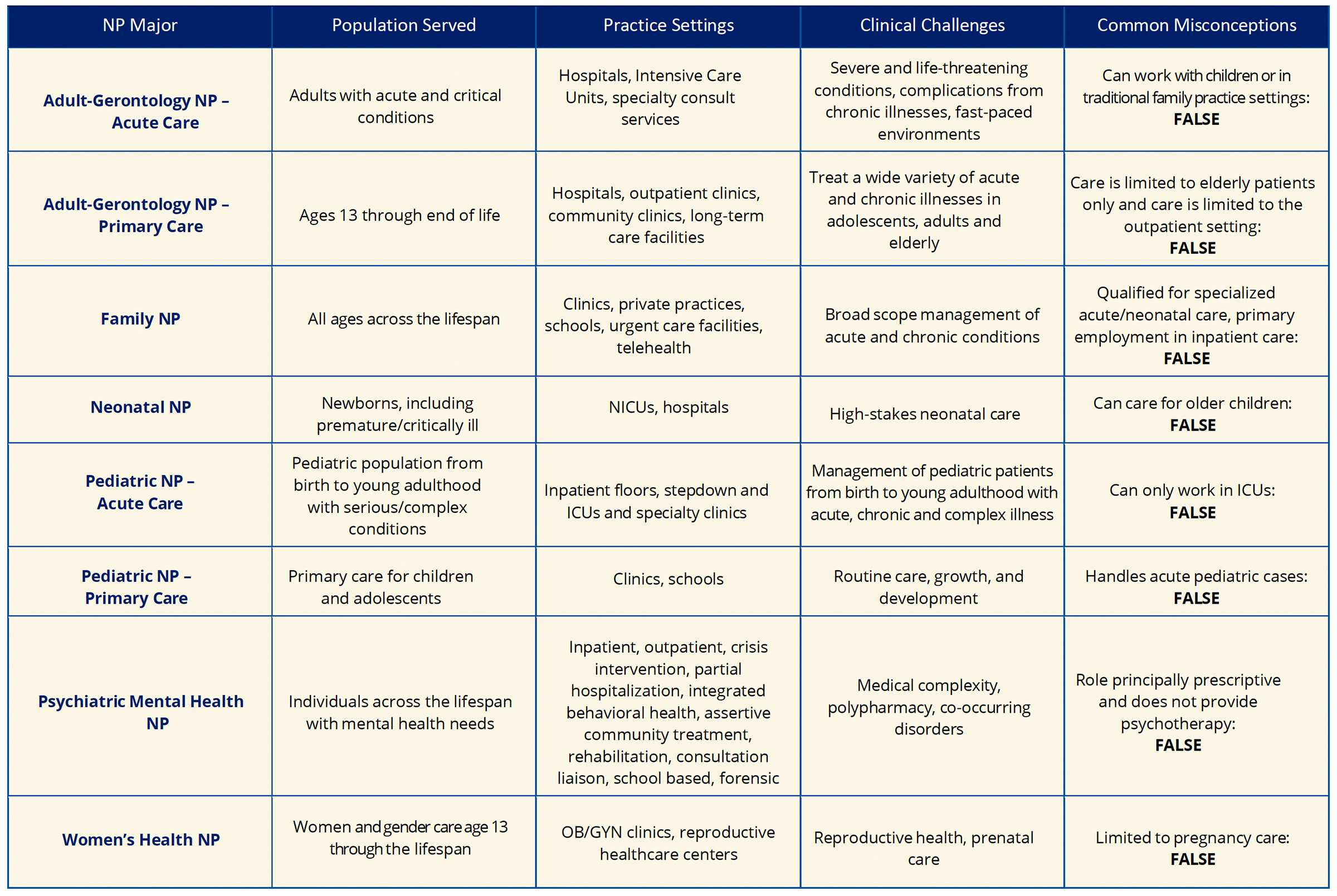
NP Major Comparions Chart Download
Long-Term Goals: Where Can Your Master of Science in Nursing Degree with a Nurse Practitioner Specialty Take You?
Choosing the right Master of Science in Nursing Nurse Practitioner major isn’t just about your everyday activities—it’s about where you want your career to go. Each NP specialty opens unique doors for advancement, leadership, and impact. Whether you aspire to shape healthcare policy, lead clinical teams, or specialize in high-acuity care, your NP track will influence your professional trajectory for years to come. Here’s how different NP majors can align with your long-term goals:
- Leadership & Policy: All graduate prepared nurses are well poised for pathways into education, administration, and advocacy roles.
- Specialty Practice: Acute care and neonatal majors lead to advanced clinical roles with high-risk populations.
- Community Impact: Primary care majors are ideal for those passionate about caring for underserved populations in community and public health settings. All Nurse Practitioners, however, serve as patient advocates for under-served populations.
Common Misconceptions About Nurse Practitioner Roles
- Family Nurse Practitioner covers everything.” While versatile, Family NPs aren’t trained for acute or neonatal intensive care.
- “Psych Nurse Practitioners only prescribe meds.” Psychiatric NPs also provide therapy and holistic mental health care.
- “Acute care Nurse Practitioners can work anywhere.” Acute care certification is specific to settings where their patients are technologically dependent, physiologically unstable, and highly vulnerable to complications.
Other Considerations When Choosing a Nurse Practitioner Program
When selecting an NP program, look beyond the major.
- Accreditation & Reputation: Duke University School of Nursing is consistently ranked among the top nursing schools in the U.S.
- Clinical Placement Support: Duke offers strong partnerships and clinical placement assistance.
- Faculty Expertise: Learn from nationally recognized leaders in nursing education.
- Program Flexibility: Duke’s online-first model is adaptable for working professionals.
Dr. Benjamin Smallheer, Assistant Dean of Duke’s MSN Program:
“Choosing the right NP major is about aligning your passion with your goals. At Duke, we offer a range of programs that not only prepare nurses for advanced practice but also empower them to lead change in healthcare.”
Ready to Take the Next Step?
Explore Duke’s Master of Science in Nursing Nurse Practitioner programs and discover how you can transform your nursing career. Whether you’re drawn to acute care, mental health, pediatrics, or primary care, Duke has a path for you. Questions? Feel free to reach out to individual program directors or our Master of Science in Nursing Admissions team.
Apply Now or Request More Information.
Nurse Practitioners Listed Among “Best Jobs” Rankings
For the third year in a row, Nurse Practitioner was ranked as the best job in healthcare, according to US News & World Report.
Keep Exploring
Additional resources are available from the American Association of Nurse Practitioners and the National Organization of Nurse Practitioner Faculty.