Built on Evidence, Driven by Purpose: Nursing Research Transforms Healthcare
Duke University School of Nursing is a leader in nursing science, driving innovation and advancement through transformative research. Our mission is deeply rooted in addressing the most pressing health challenges facing communities locally, nationally, and globally.
The Vital Role of Nursing Science
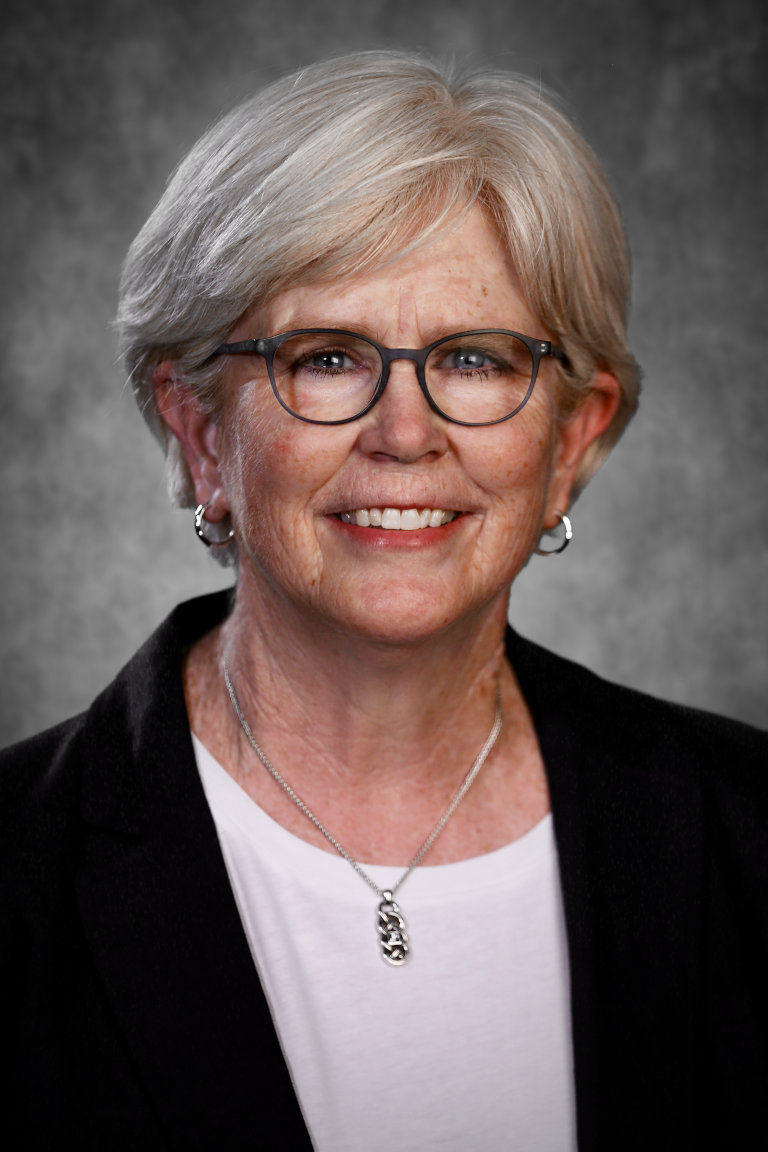
Sharron L. Docherty, PhD, RN, PNP, FAAN, Associate Professor and Vice Dean for Research
Nursing serves as the foundation of our healthcare system, with nurses comprising the largest segment of the healthcare workforce. Our presence is not only widespread, but deeply impactful, as we are consistently ranked as the most trusted professionals in health care delivery. This trust, combined with our frontline clinical expertise and holistic approach to person-centered care, uniquely positions nurses to lead innovative models of care. Nurse-led models of care harness the expertise, compassion, and continuity that nurses provide, in partnership with patients, families, and communities, to offer transformative potential to improve health outcomes, increase access, and reduce costs across the healthcare landscape.
Nursing science drives the research questions we ask and the way we design, scale, and disseminate such nurse-led models of care. Nursing science bridges clinical expertise with rigorous research, leading to innovations that improve patient outcomes, care delivery, and health system performance.
Duke University School of Nursing faculty, postdoctoral fellows, and students are engaging individuals and communities from around the world in research that will shape the future of healthcare. These studies focus on building knowledge in how we support patients to maintain their health with preventive care, how we support caregivers, how we reach patients in areas with provider shortages, how we reduce the need for emergency services and hospital readmissions, and how we ensure that all people receive the compassionate care they need and deserve.
In the article below you’ll read examples of how our faculty, students, and dedicated research staff are addressing the rural healthcare crisis, protecting and improving brain health, and tackling addiction, mental health challenges, and harmful stigma that can stand in the way of care. These studies represent only a small sample of the transformative work being done by Duke Nursing researchers to improve the lives of patients across the lifespan, as well as the lives of their loved ones.
—Sharron L. Docherty
Our current moment sees nursing science facing numerous funding and policy challenges. In the face of such challenges, we do what nurses always do—we get to work. We must innovate and diversify, finding new ways of supporting our researchers’ efforts.
To our faculty, students, and staff dedicated to this research, I say thank you. To those of you reading, I extend an invitation to engage with us and help support this vital work.
Nursing science is science that serves, always keeping at the forefront our patients, our communities, and the future nursing workforce.
Rural Health: Bridging Gaps and Advancing Equity
Rural communities often face significant barriers to healthcare, including limited access to medical facilities, provider shortages, and higher rates of chronic diseases. Duke’s commitment to rural health is evident in the recent round of pilot grants awarded by the Center for Nursing Research. These grants, which provide support for early-stage faculty research, were this year awarded to projects aimed at supporting health equity in rural settings, tackling issues from substance use care to surgical outcomes among older adults.
Earlier this year Duke announced the creation of the Interdisciplinary Hub for Rural Health Equity. Associate Professor Devon Noonan, PhD, MPH, FNP-BC, CARN, FAAN, is a project lead for the Hub, one of only three faculty-led projects chosen from 68 applications to receive a Multiyear Interdisciplinary Hub grant from the Office of the Provost. Provost Alec D. Gallimore called the hubs "an important new mechanism for enabling exceptionally promising projects to take the next leap forward and a key strategic investment at an uncertain time for research funding."
“Duke resides in North Carolina, which boasts the second highest rural population in the country. Our hub grew from the idea that we need to be doing more with and for rural communities in our state."
—Devon Noonan
"Duke resides in North Carolina, which boasts the second highest rural population in the country," Dr. Noonan explained. “Our hub grew from the idea that we need to be doing more with and for rural communities in our state and that we currently lack a unified approach at Duke to address rural health inequities despite our proximity and position in a predominantly rural state.”
Through partnerships with rural communities across North Carolina, and with programs like the Duke University School of Nursing Mobile Prevention and Care Team (M-PACT), Duke is delivering culturally sensitive care and health education to rural and underserved communities across North Carolina. With immersive clinical experiences, telemedicine partnerships, and targeted screenings, M-PACT Scholars help bridge gaps in access to care, support early interventions in under-resourced schools, and empower local organizations to address community-driven health challenges.
Professor Donna Biederman, DrPH, MN, RN, CPH, FAAN, leads the Duke University School of Nursing Community Health Improvement Program (D-CHIPP), under which M-PACT falls. “Rural Americans have worse health outcomes than their urban counterparts,” Biederman explained. “Part of this is due to the lack of access to resources and care. We engage with true benefits to both parties. Our rural partners provide outstanding clinical experiences for our students across our programs. Our partners receive the benefit of our students' time and expertise. Rural partnerships allow us to use innovative technology and telemedicine equipment to increase access to care for rural residents while strengthening the clinical skills of our faculty, staff, and students engaged in these endeavors.”
Addiction: Tackling Substance Use Disorders
Addiction research at the School of Nursing is closely intertwined with rural health initiatives. Faculty are investigating systemic barriers to substance use care, stigma in opioid use disorder treatment, and the integration of mental health services for youth. These efforts are supported by multi-year grants and national fellowships, positioning our School as a leader in developing nurse-led models of care that address addiction in underserved populations.
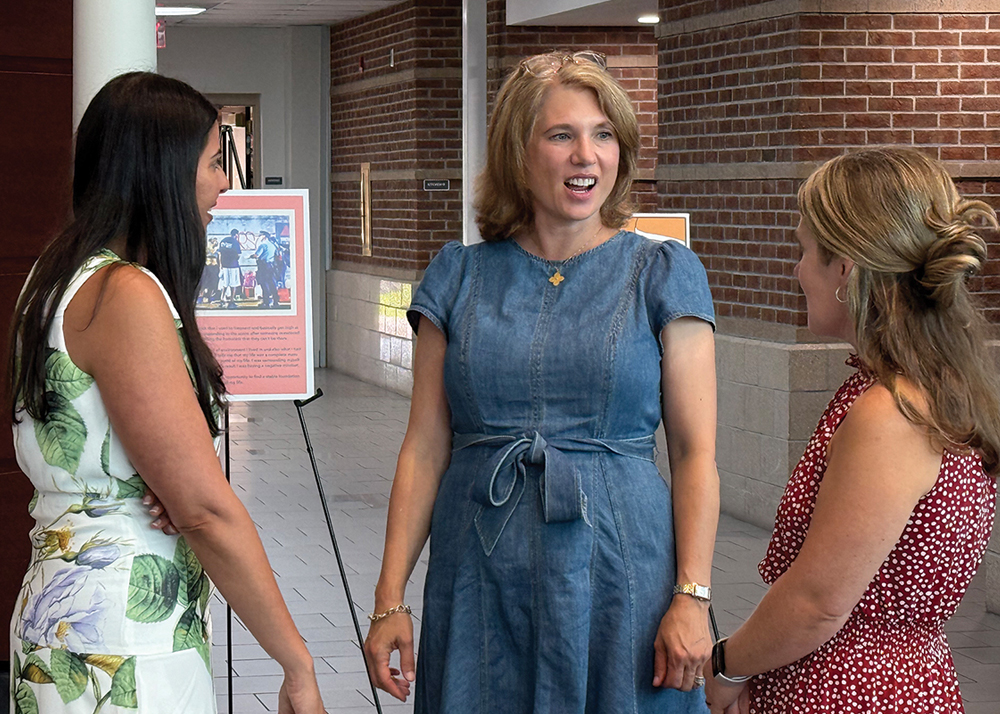
One example of the intersection of rural health research and addiction research comes in the form of an innovative project co-led by Dr. Noonan and Assistant Professor Marissa Abram, PhD, PMHNP-BC, CARN-AP, FIAAN. Utilizing a research method called photovoice, Drs. Abram and Noonan invited study participants to take photographs that represented their lived experiences with substance use disorders, bringing attention to treatment and recovery in local, rural communities.
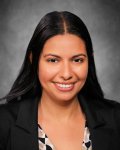
In one-on-one interviews and group sessions, participants shared and discussed their photos, combining narrative with visual expression. “Stigma stems from misunderstanding,” said Dr. Abram. “Addiction is a chronic, treatable medical condition, not a sign of weakness or lack of willpower. When we treat it with compassion and science—not judgment—we open the door to healing and recovery.”
Their research culminated in a public exhibition called "Through the Lens of Recovery: A Photovoice Project," hosted at Edgecombe Community College, in partnership with the Edgecombe County Community Paramedic Program (ECCPP) and Carolina Family Health Centers, Inc. In addition to local community members and substance use recovery advocates, the event drew healthcare professionals, law enforcement officers, and government leaders including North Carolina First Lady Anna Stein, who attended and spoke at the event.

Our faculty and students also collaborate with local organizations to deliver wellness events, vaccine drives, and health education, ensuring that interventions are contextually and culturally relevant. Last year Associate Professor Mitch Knisely, PhD, RN, ACNS-BC, PMGT-BC, FAAN, assistant dean of PhD and Post-Doctoral programs, partnered with the Mebane Historical Museum for a distinctive new approach exploring non-pharmacological treatments for chronic pain, particularly for people in rural or medically underserved areas. The GAIN Study (Group Acupuncture for Pain Relief in Rural Communities) seeks to bring acupuncture, a safe and proven tool for pain management, directly to rural communities.
“My area of expertise is in pain management,” Knisely said. “And with the opioid epidemic, we're always looking for new non-pharmacological treatments.” The study aims to implement a cost-effective and sustainable model of community acupuncture in a rural setting.
“People living outside urban areas are at least 60 percent less likely to use non-pharm treatments,” he continued, noting that this reluctance can often be the result of both unfamiliarity with the treatments and lack of access.
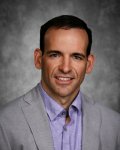
For Associate Professor Brandon Knettel, PhD, the intersection of maternal health and addiction has become an important topic of research. Earlier this year Knettel co-authored a study in the journal Drug and Alcohol Dependence titled “Factors associated with medications for opioid use disorder (MOUD) treatment success during the pregnancy and postpartum periods: A scoping review.”
Knettel and his co-authors discovered that when providers were overly conservative in MOUD dosages for pregnant [people], this resulted in higher rates of relapse. “It’s a real cost-benefit analysis of making sure that we’re not giving medication at a dosage that could negatively affect the fetus but making sure that the [patients] are treated effectively,” Knettel said. “If they go back to using heroin, for example, that’s going to be much, much more harmful.”
"Often young people don’t engage in the health care system because they feel fine and don’t seek care except for acute issues. When patients come in with a first-time pregnancy, or wanting to get pregnant, it’s important to take the opportunity to ask the right questions, especially when it comes to opioid use."
—Brandon Knettel
The study also showed that the earlier medication was introduced for treatment, the more likely patients would be to continue treatment during pregnancy and postpartum, which was associated with improved outcomes for both parents and children.
“We need to be screening for and initiating opioid use treatment early on in our contacts with pregnant [people],” Knettel said. “The earlier people initiated, the better off they did.” Often young people don’t engage in the health care system, he noted, because they feel fine and don’t seek care except for acute issues. When patients come in with a first-time pregnancy, or wanting to get pregnant, it’s important to take the opportunity to ask the right questions, especially when it comes to opioid use.
These partnerships, both academic and community, are emblematic of a nurse-forward approach to healthcare and research, working hand-in-hand with patient populations and affected communities to come up with sustainable, patient-centered approaches to some of our most pressing health challenges.
Aging: Promoting Healthy Longevity

Duke University School of Nursing is deeply engaged in research and community initiatives aimed at improving the lives of older adults and those affected by dementia. Faculty such as Associate Professor Hanzhang Xu, PhD, RN, CNE, FAAN lead studies focused on aging Chinese Americans, a rapidly growing and often underserved population.
“Although Chinese Americans are often perceived as a ‘model minority’ who achieve a higher level of socioeconomic status than other groups, the picture is incomplete,” Xu said. More than 70% of Chinese Americans are first generation immigrants and nearly 20% are living below the poverty line. Close to half have limited English proficiency.
“These socioeconomic disadvantages shared by older Chinese Americans not only contribute to an increased risk of developing dementia, but also to inequitable access to effective services and programs to promote cognitive health,” Xu explained. To that end, Xu’s study seeks to develop a mobile app-based intervention to promote cognitive health. Xu collaborates with local organizations to deliver lectures and workshops on dementia, aiming to reduce stigma and increase dementia-related knowledge within the community.
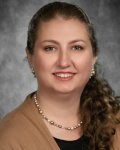
Xu isn’t the only faculty member turning to the world of mobile apps to address concerns with aging and dementia. Assistant Professor Darina Petrovsky, PhD, RN, Elizabeth C. Clipp Term Chair of Nursing, studies music and brain health and leads a study to develop a mobile app called Calming Music Personalized for Sleep Enhancement in Persons Living with Dementia (CoMPoSER). The app is intended as a therapy tool to improve sleep for people with dementia and to help create a nightly routine.
“We don’t have a lot of therapies available for persons living with dementia and their caregivers,” Petrovsky said, adding that dementia can also be very isolating for patients and their caregivers. “Music provides them with an opportunity to engage with others.” CoMPoSER will use music streaming software, such as Apple Music, to create a playlist that has sleep-inducing characteristics. For example, music with a certain number of beats per minute and no high-pitched sounds or lyrics can stimulate relaxation and sleep. “Most of the time, technology is developed without any input from older adults, especially those living with dementia,” Petrovsky said. Existing products can leave older users frustrated, especially if they are struggling with cognitive decline. Based on the feedback from the study, CoMPoSER will incorporate a simple layout and style ideas from study participants, with help functions available for users. “I hope that my project will help caregivers and those who have dementia use music in their daily lives, using technology that was designed with them and for them.”

The consideration and prioritization of caregivers is shared by Cecilia Zavala, MSN. Zavala, a current PhD student, earned a master’s degree in Aging and Quality of Life from Universidad de Chile and focuses her research on the mental health and burnout of caregivers.
“Caregivers make dementia care possible,” Zavala explained. “They are the ones ensuring daily needs are met, medications are given, and emotional comfort is provided. When caregivers are exhausted or unsupported, the quality of care inevitably suffers. Because caregiving is such a long-term, intensive role, we must prioritize their health and well-being. By investing in education, respite, counseling, and community resources, we not only protect caregivers from burnout, but also strengthen their ability to provide compassionate and sustained care—benefiting families, patients, and the health system as a whole.”
Brain Health: Advancing Neurological Care
"While we know early intervention can improve health, academic, and psychological outcomes in adolescents diagnosed with a concussion, we lack evidence-based methods for predicting which adolescents are at greater risk for ongoing symptoms or problems after a concussion."
—Karin Reuter-Rice
Researchers at the School of Nursing are also committed to advancing the science of care for individuals with other neurological conditions. Faculty research spans the lifespan, focusing on prevention, treatment, and rehabilitation. The School’s work in brain health is especially significant during awareness campaigns and through interdisciplinary collaborations that highlight the impact of brain injuries and neurological disorders on individuals and families.

Professor Karin Reuter-Rice, PhD, CPNP-AC, FCCM, FAAN, is motivated by the fact that one in five children in the U.S. will suffer a concussion by the age of 16, most often caused by falls, sports injuries, and motor vehicle accidents. Dr. Reuter-Rice is currently in the midst of a 5-year study exploring the long-term effects of concussions in adolescents.
"Unlike a broken arm, a concussion is an invisible injury—there is no obvious cast to indicate the brain has been injured," Reuter-Rice said. "This translates into others assuming the adolescent is fine, when in fact they could be suffering from post-concussion symptoms that affect their academic success and social interactions."
For Amie Koch, DNP, FNP-C, RN, ACHPN, FAANP, Dr. Reuter-Rice’s research interests her not only as a fellow faculty member and nurse scientist, but as a mother of two children who play contact sports—her son ice hockey, and her daughter field hockey. After her son was injured recently, she reflected on the experience. “Unfortunately, he endured a concussion playing with a friend on the playground at school,” she recalled. “Having a child with a concussion increases parent stress, missed work, fear of future concussions, and worry about depression and the negative long-term outcomes you hear about when someone has a concussion.”

Koch added, “Watching your child be light sensitive, have a hard time sitting or standing up, suffer with headaches, and miss school and activities is really difficult.” “It is important to have research on concussions,” she continued, “and it’s also important that schools and playgrounds have proper mulch thickness or rubber playground surfaces, that people have access to pediatric concussion specialists, which are hard to find, and that policies are put into place to support children and their parents for missed school and work days during the unknown length of time for concussion recovery."
Sports-related injuries cause the majority of concussions among adolescents, with boys' tackle football and girls' soccer having the highest rates of concussion in the U.S., according to the Centers for Disease Control and Prevention. “While we know early intervention can improve health, academic, and psychological outcomes in adolescents diagnosed with a concussion, we lack evidence-based methods for predicting which adolescents are at greater risk for ongoing symptoms or problems after a concussion," Reuter-Rice said. "Our research aims to identify a new approach that allows for the earlier identification of adolescents who will experience persistent post-concussion symptoms so that tailored precision health approaches can be developed and initiated sooner after injury, thereby improving outcomes."
The study, titled A Risk Stratification Model for Health and Academic Outcomes in Children with Concussion Based on Novel Symptom Trajectory Typologies, also known as the RSiCC study, aims to develop a risk model that sets the framework for future intervention trials and the development of new targeted therapies. Study participants are children between the ages of 11 and 17 who have experienced a concussion, also known as mild traumatic brain injury, and who agree to six visits over 12 months after the injury, where they give interviews and saliva samples. Interviews include questions about fatigue, peer relationships, ability to think and function, and concussion support that is available to them in school.

Brain health is a concern across all ages. Associate Professor Tolu Oyesanya, PhD, RN, was awarded a grant from the National Institute of Nursing Research (NINR) in 2024 to conduct a 5-year study titled, “A Randomized Controlled Trial of Brain Injury, Education, Training, and Therapy to Enhance Recovery (BETTER), A Transitional Care Intervention, for Diverse Patients with Traumatic Brain Injury and Their Families,” to examine the efficacy of BETTER vs. usual care among adults with TBI of various races/ethnicities who are discharged home from acute hospital care and families. “We hope to learn new knowledge to advance science on decreasing racial, ethnic, and language-based disparities and improve equity in TBI and patient and family outcomes,” Oyesanya said.

Kevin Gao MSN, RN-BC is a PhD student and current American Association of Colleges of Nursing Jonas Scholar who is also focused on brain health. Gao aims to study the intersection between social determinants of health and neurological care in hopes of improving stroke care in marginalized communities. Gao, Oyesanya, and Reuter-Rice are emblematic of the School’s focus on nurse-led research that touches upon all points of a patient’s life, addresses health disparities, drives innovation in care delivery, and informs policy and practice.
By focusing on key areas like rural health, addiction, aging, and brain health, Duke’s nurse scientists are working to make a meaningful positive impact on some of the most vulnerable and underserved populations, while also helping to create models of care that improve healthcare for all people. The thread that runs through all of this work is the importance of engaging with the community. The School’s partnerships with local organizations, interdisciplinary hubs, and national networks amplify its ability to translate research findings into real-world solutions that improve health outcomes for all.